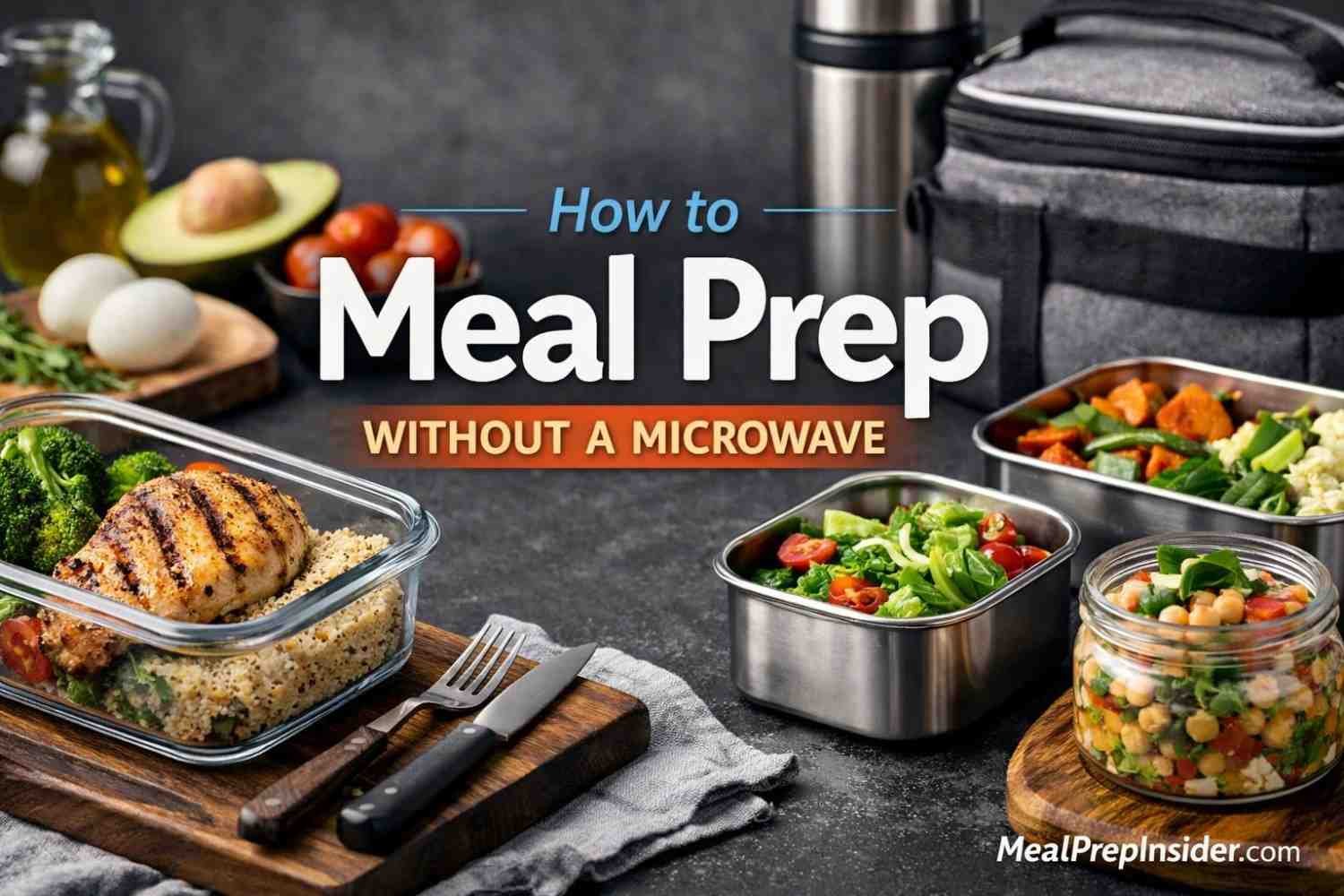
Meal prep without a microwave is not only possible but can lead to fresher, more flavorful meals that don’t suffer from the rubbery texture many reheated foods develop. I learned this the hard way when I moved into my first apartment after college. The microwave broke three days in, and replacing it wasn’t in the budget. What started as a frustrating inconvenience became one of the best cooking lessons of my life.
The truth is, Americans have become heavily dependent on microwaves for meal prep and reheating. Walk into any office break room around noon, and you’ll find a line of people waiting to zap their lunch containers. But there’s another way to approach meal prep that doesn’t involve standing in that line or dealing with unevenly heated food that’s scalding hot on the edges and ice-cold in the middle.
Let me show you how to master meal prep without ever pressing a single microwave button.
Why Ditch the Microwave for Meal Prep?
Before we get into the methods, let’s talk about why you might want to meal prep without a microwave.
The microwave isn’t broken in many cases. Some people are choosing to eliminate it from their routine entirely. Here’s why:
Texture and flavor degradation. Foods reheated in microwaves often lose their original appeal. Crispy becomes soggy. Tender becomes rubbery. The uneven heating creates hot pockets next to frozen centers.
Health considerations. While the debate continues, some people prefer avoiding microwaves due to concerns about nutrient loss or plastic container chemicals leaching into food when heated.
Energy efficiency. Depending on your reheating method, you might use less energy than firing up a microwave multiple times daily.
Workplace limitations. Not every workplace has a microwave available, or the one they have is disgusting and hasn’t been cleaned since the previous administration.
Better meal quality. When you plan meals that taste great at room temperature or cold, you open up entirely new culinary possibilities.
The Foundation: Planning Meals That Work Without Microwaving
The secret to successful meal prep without a microwave starts before you even enter the kitchen.
Your planning phase determines everything. You can’t just prep the same old chicken and rice expecting it to taste amazing cold. That’s a recipe for disappointment and wasted groceries.
Think about temperature versatility. The best no-microwave meal prep focuses on dishes that genuinely taste good at various temperatures. Mediterranean cuisine, Asian-inspired grain bowls, and composed salads all fall into this category.
I remember preparing a week’s worth of grilled chicken breasts with steamed broccoli and brown rice. Day one was fine. Day two was tolerable. By day three, I was choking down cold, dry chicken that had the texture of cardboard. Don’t be like past me.
Consider the eating environment. Will you have access to hot water? A toaster oven? A stovetop? Your available resources shape your meal prep strategy.
Embrace variety. When you’re not relying on the microwave, you need different textures, temperatures, and flavor profiles throughout the week to keep things interesting.
Reheating Methods That Actually Work
Let’s get practical. You’ve prepped your meals, and now you need to bring them back to life without a microwave. Here are your options:
Stovetop Reheating
The stovetop is your most versatile microwave alternative. It gives you control over temperature and lets you properly refresh dishes.
For soups and stews: Pour into a pot over medium heat. Stir occasionally. Add a splash of water or broth if things have thickened too much during storage. This method beautifully restores the original texture.
For rice and grain dishes: Add a tablespoon of water to a pan with a lid. Heat on low, stirring occasionally. The steam regenerates the grains without making them mushy.
For proteins: Use lower heat than you think you need. A quick sear in a pan with a tiny bit of oil can refresh chicken, steak, or fish without overcooking.
Time investment: 5-10 minutes, depending on the dish.
Toaster Oven Magic
If your workplace has a toaster oven, you’ve struck gold. These little appliances are phenomenal for meal prep and reheating.
For casseroles and baked dishes: Transfer to an oven-safe container. Heat at 350°F for 10-15 minutes, covering with foil if needed to prevent drying.
For pizza and flatbreads: Direct on the rack for 5-7 minutes creates results far superior to any microwave.
For roasted vegetables: A quick blast in the toaster oven brings back their caramelized edges and crispy texture.
The toaster oven reheats more evenly than microwaves and can restore crispiness that microwaves destroy.
Hot Water Bath Method
This technique comes from the sous vide world but works perfectly for meal prep.
Place your sealed container (make sure it’s actually sealed and waterproof) in a bowl or pot of hot water. Let it sit for 10-15 minutes. The gentle heat warms food evenly without cooking it further.
This works brilliantly for pasta dishes, curries, and anything with sauce. The texture remains intact, and there’s no risk of hot spots or dried-out edges.
The Oven Approach
If you’re reheating at home, your full-sized oven is a powerful tool. It’s not practical for single portions at work, but for batch reheating multiple meals, it’s efficient.
Preheat to 350°F. Arrange your meals in oven-safe containers. Heat for 15-20 minutes, depending on portion size. This method works especially well when reheating multiple servings at once for family meals.
Room Temperature and Cold Options
Here’s where meal prep without a microwave gets interesting. Not everything needs reheating.
Many dishes taste fantastic at room temperature or cold. Planning meals around this reality eliminates the need for reheating entirely.
Meal Categories That Shine Without Microwaving
Let’s break down specific meal types that work beautifully in a no-microwave meal prep routine.
Cold Grain Bowls
These are absolute champions for no-microwave meal prep. Build them right, and they’re delicious straight from the fridge.
Base grains: Quinoa, farro, bulgur, and pearl couscous all taste great cold. Regular rice gets hard and unpleasant, but these alternatives stay fluffy.
Protein options: Hard-boiled eggs, canned fish, cold chicken, chickpeas, or marinated tofu work perfectly.
Vegetables: Raw, pickled, or roasted vegetables all contribute different textures. Think shredded carrots, cucumber, pickled onions, or roasted bell peppers.
Dressing: Keep it separate until you’re ready to eat. A good dressing transforms cold grains from boring to crave-worthy.
I prep these every Sunday now. By Wednesday, I’m genuinely excited to eat my meal instead of dreading another sad desk lunch.
Composed Salads
Not your basic garden salad. I’m talking about substantial, meal-sized salads with staying power.
Heartier greens: Kale, cabbage, and romaine hold up better than delicate lettuces. Massaging kale with a bit of dressing and salt breaks down its toughness.
Substantial additions: Roasted sweet potatoes, nuts, seeds, cheese, dried fruit, and grains turn salads into complete meals.
Protein power: Grilled chicken, salmon, steak, or plant-based proteins make salads satisfying.
The key is building salads that don’t get soggy. Keep wet ingredients separate, choose sturdy greens, and add crunch elements right before eating.
Mediterranean and Middle Eastern Dishes
This cuisine category seems designed for no-microwave eating. Most dishes taste as good or better at room temperature.
Mezze-style meals: Hummus, baba ganoush, tabbouleh, falafel, and pita create satisfying combinations that don’t need heating.
Grain-based salads: Tabbouleh and couscous salads were meant to be eaten at room temperature.
Protein options: Grilled chicken, lamb, or chickpeas all work cold or at room temperature.
Asian-Inspired Noodle Dishes
Cold noodle dishes are standard in many Asian cuisines. They translate perfectly to meal prep.
Soba noodle salads: Buckwheat noodles with sesame dressing, cucumber, and protein stay delicious for days.
Rice noodle bowls: Vietnamese-style rice noodle bowls with herbs, vegetables, and protein are refreshing and filling.
Peanut noodles: Cold peanut noodles with vegetables are creamy, satisfying, and taste better after the flavors have melded.
Sandwich and Wrap Variations
Sandwiches seem obvious, but strategic meal prep makes them infinitely better.
Assembly matters: Pack components separately if possible. Wet ingredients make bread soggy over time.
Bread choices: Heartier breads like ciabatta, sourdough, or wraps hold up better than soft sandwich bread.
Spread barriers: A thin layer of butter, mayo, or hummus creates a moisture barrier between wet fillings and bread.
Bento-Box Style Meals
The Japanese bento approach works brilliantly for no-microwave meal prep. Multiple small components create variety and interest.
Protein: A portion of chicken, fish, egg, or tofu.
Carbs: A small serving of rice, noodles, or bread.
Vegetables: Multiple types in different preparations—pickled, raw, and cooked.
Fruit: A small portion for sweetness.
Everything’s meant to be eaten at room temperature. The variety keeps your palate engaged, and nothing needs reheating.
Soup and Stew Thermos Strategy
A quality thermos changes the meal prep game entirely. Pour hot soup or stew into a preheated thermos in the morning, and it stays hot until lunch.
Preheat your thermos: Fill it with boiling water while you heat your soup. Dump the water, add the hot soup, and seal.
Choose thick, hearty soups: Broth-based soups cool faster. Thick stews, chilis, and creamy soups maintain temperature better.
Test your thermos: Not all containers are created equal. A good thermos keeps food above 140°F for 5-6 hours.
Practical Meal Prep Strategies
Theory is nice, but execution is where most people struggle. Here’s how to make this work in real life.
Batch Cooking Components
Instead of prepping complete meals, prep components that can be combined in different ways.
Proteins: Grill or roast several proteins on Sunday. Use them in different meals throughout the week.
Grains: Cook large batches of quinoa, farro, or rice. They’re the foundation for multiple meals.
Roasted vegetables: Roast several sheet pans of different vegetables. They add substance to any meal.
Sauces and dressings: Make 2-3 different dressings or sauces. They transform the same base ingredients into different meals.
This component approach provides variety without the boredom that comes from eating identical meals all week.
The Mix-and-Match Method
Once you have components ready, you can assemble different combinations daily.
Monday: Quinoa bowl with roasted vegetables, chickpeas, and tahini dressing.
Tuesday: Same quinoa and roasted vegetables in a wrap with hummus.
Wednesday: Quinoa tabbouleh-style with fresh vegetables and lemon dressing.
Same base ingredients, completely different meals.
Container Selection Matters
Your containers directly impact meal quality and reheating success.
Glass containers: They’re microwave-safe (if you need that option elsewhere), oven-safe for certain reheating methods, and don’t absorb odors or stains.
Stainless steel bento boxes: Perfect for room temperature meals. Durable and eco-friendly.
Thermos containers: Invest in quality insulated containers for keeping food hot or cold.
Mason jars: Great for layered salads, overnight oats, or soups if you have stovetop access.
Avoid cheap plastic containers that warp, stain, and generally make your food less appealing.
Timing Your Prep
When you prep affects how well your meals hold up.
Most dishes: Sunday prep works fine for Monday through Thursday. Friday might need a mid-week refresh.
Delicate items: Prep these the night before or morning of. Fresh herbs, soft fruits, and delicate vegetables don’t last all week.
Hardy components: Grains, roasted vegetables, and cooked proteins last 4-5 days easily.
Consider doing a smaller mid-week prep session on Wednesday evening to refresh your options for Thursday and Friday.
Keeping Food Safe Without Microwaving
Food safety doesn’t change just because you’re skipping the microwave. If anything, you need to be more careful.
The temperature danger zone: Bacteria multiply rapidly between 40°F and 140°F. Keep cold food cold and hot food hot.
Cooling properly: Cool cooked food quickly before refrigerating. Spread it in shallow containers rather than storing hot food in deep containers.
Storage duration: Most prepped meals stay safe for 3-4 days in the refrigerator. Some ingredients last longer, but quality degrades.
Insulated bags: If you don’t have access to refrigeration, use an insulated bag with ice packs. Your lunch should stay below 40°F until you eat it.
Room temperature timing: Food shouldn’t sit in the danger zone for more than 2 hours total. If your office is hot, that window shrinks to 1 hour.
When using the thermos method, food must be heated to at least 165°F before being placed in the thermos to kill any bacteria. The thermos keeps it hot but doesn’t actively heat it.
Equipment That Makes Life Easier
You don’t need fancy equipment, but a few key items make no-microwave meal prep significantly easier.
Quality thermos: A 16-24 oz insulated food container is worth every penny. Look for wide-mouth options that are easier to fill and eat from.
Insulated lunch bag: Keeps cold meals cold and reduces food safety concerns.
Ice packs: Multiple reusable ice packs help keep your food at a safe temperature.
Sharp knife: Prep work goes faster with proper knives. You’ll be doing more fresh prep when eating at room temperature.
Storage containers in various sizes: Different meals need different containers. Having options prevents food from getting crushed or dried out.
Portable utensils: A real fork and knife make eating more pleasant than flimsy plastic disposables.
Small containers for dressings: Keep wet components separate until eating time.
Sample Week of No-Microwave Meals
Let me walk you through a realistic week of meal prep without a microwave. This is what I actually eat, not some idealized version.
Sunday Prep Session
Cook these proteins:
- Grilled chicken thighs (more flavorful cold than breasts)
- Hard-boiled eggs
- Baked tofu with soy-ginger marinade
Prepare these grains:
- Quinoa
- Farro
Roast these vegetables:
- Sweet potatoes
- Brussels sprouts
- Bell peppers
- Red onions
Make these dressings:
- Tahini-lemon dressing
- Peanut sauce
- Balsamic vinaigrette
Total prep time: About 2 hours while watching something on Netflix.
RELATED POST >> How to Meal Prep Smoothies for the Week: Best Way to Do It
Monday: Mediterranean Quinoa Bowl
Quinoa base, sliced chicken thigh, roasted vegetables, cucumber, cherry tomatoes, olives, feta cheese, and tahini-lemon dressing on the side.
Eaten cold at room temperature. Delicious and satisfying.
Tuesday: Asian-Inspired Farro Bowl
Farro base, baked tofu, shredded carrots, edamame, sliced cucumber, sesame seeds, and peanut sauce.
Also eaten at room temperature. The peanut sauce makes everything amazing.
Wednesday: Loaded Salad
Mixed greens, hard-boiled eggs, roasted sweet potatoes and Brussels sprouts, sunflower seeds, dried cranberries, chicken, and balsamic vinaigrette.
This is hearty enough to keep you full all afternoon.
Thursday: Thermos Soup Day
Wednesday night, I make a quick lentil soup. Thursday morning, I heat it thoroughly and pour it into my preheated thermos. At lunch, it’s still steaming hot.
Served with crusty bread and raw vegetables on the side.
Friday: Clean-Out-the-Fridge Day
Whatever components are left get combined into something creative. Usually ends up being a grain bowl with whatever vegetables and protein remain, topped with whichever dressing sounds good.
This prevents waste and keeps things interesting.
Troubleshooting Common Issues
Even with good planning, problems pop up. Here’s how to fix them.
Problem: Food Gets Boring
You’re eating the same base ingredients too often.
Solution: Rotate your grains, proteins, and flavor profiles. One week goes Mediterranean, the next week Asian-inspired, then Mexican-influenced. Different spices and dressings transform the same basic components.
Problem: Food Gets Soggy
Wet ingredients are making everything mushy.
Solution: Keep wet and dry components separate until eating. Use containers with dividers, or pack dressings and sauces separately in small containers.
Problem: You’re Still Hungry
Room temperature meals sometimes feel less satisfying than hot food.
Solution: Increase protein and healthy fats. Add nuts, seeds, avocado, or cheese. These create satiety without needing to be hot. Also, make sure you’re eating enough volume—cold food is less filling psychologically, so you might need slightly larger portions.
Problem: Food Tastes Bland Cold
Flavors mute at cooler temperatures.
Solution: Season more aggressively than you would for hot food. Cold dishes need extra salt, acid, and spices. Add fresh herbs right before eating. They brighten everything.
Problem: Lunch is Too Cold
You want something warm but don’t have good reheating options.
Solution: Invest in a quality thermos and prep one or two hot meals per week. Soup on Monday, stew on Wednesday. The other days can be room temperature or cold.
Problem: Limited Storage Space
Your work fridge is tiny or nonexistent.
Solution: Focus on shelf-stable components and foods that keep well at room temperature for a few hours. Use an insulated bag with ice packs. Choose durable foods that won’t spoil quickly.
Budget-Friendly No-Microwave Meal Prep
Eating well without a microwave doesn’t require expensive ingredients.
Buy in bulk: Grains, legumes, nuts, and seeds are cheaper in bulk. They’re also staples for no-microwave meals.
Seasonal produce: Whatever’s in season is cheaper and tastes better. Adapt your meal prep to what’s affordable.
Egg power: Hard-boiled eggs are a cheap source of protein that works perfectly at room temperature.
Canned fish: Tuna, salmon, and sardines are budget-friendly proteins that need zero preparation.
Make your own dressings: Bottled dressings are expensive. Oil, vinegar, lemon juice, and spices cost pennies per serving.
Vegetarian days: Plant-based proteins like beans, lentils, and tofu cost significantly less than meat.
My weekly meal prep runs about $35-40 for five lunches. That’s roughly $7-8 per meal, far less than buying lunch and honestly tastier too.
Traveling and Eating Out
The no-microwave mindset extends beyond home meal prep. It changes how you approach food when traveling or eating out.
Road trips: An insulated bag with ice packs lets you pack real meals instead of relying on gas-station or fast-food stops.
Office potlucks: You’re no longer limited to dishes that need reheating. Bring composed salads, grain bowls, or room-temperature casseroles.
Picnics and outdoor eating: You’re already practiced at meals that don’t need heating. Planning outdoor meals becomes second nature.
Hotels without microwaves: Instead of being frustrated, you know how to assemble satisfying meals from grocery store ingredients.
This approach gives you more control over your food regardless of circumstances.
Environmental Impact
Skipping the microwave, even occasionally, has environmental benefits worth considering.
Reduced energy use: Depending on your alternative heating method, you might use less electricity overall.
Better containers: When you can’t rely on microwave-safe plastic, you invest in durable glass, stainless steel, or ceramic containers that last for years rather than months.
Less food waste: When meals are designed to taste good cold or at room temperature, you’re more likely to eat them instead of tossing them because they reheated poorly.
Reduced packaging: Making meals from whole ingredients instead of microwaveable convenience foods means less packaging waste.
These benefits add up over time, especially if you’re meal prepping regularly.
The Mental Shift
The biggest change isn’t actually the cooking techniques or the equipment. It’s how you think about meals.
We’ve been conditioned to think food should be hot to be good. Breaking that association opens up countless possibilities.
Some of the world’s best cuisines feature room-temperature or cold dishes as the norm, not the exception. Spanish tapas, Japanese bento, Middle Eastern mezze, Vietnamese rice paper rolls—none of these rely on reheating.
When you stop seeing the microwave as essential, you start noticing how many delicious options you’ve been overlooking.
The first week felt weird, I’ll admit. By week three, I stopped missing the microwave entirely. Now, even though I eventually replaced the broken one, I rarely use it for meal prep.
Advanced Techniques
Once you’ve mastered the basics, these advanced strategies take your no-microwave meal prep to the next level.
Fermentation for Flavor
Fermented vegetables add powerful flavor to room-temperature meals. Quick pickles, sauerkraut, and kimchi brighten grain bowls and salads while adding probiotics.
Make a batch on the weekend. They last for weeks in the fridge and transform simple meals into something special.
Marinade Magic
Proteins that marinate overnight develop incredible flavor and stay moist when eaten cold. Tandoori chicken, Korean bulgogi, or citrus-marinated fish all taste amazing at room temperature.
The marinade does double duty—flavoring during cooking and retaining moisture to prevent drying out during storage.
Layering for Texture
Professional chefs think about texture as much as flavor. Apply this to meal prep.
Every meal should have something crunchy (nuts, seeds, raw vegetables), something creamy (avocado, cheese, hummus), something chewy (grains, dried fruit), and something tender (protein, cooked vegetables).
This variety keeps your palate engaged from the first bite to the last.
Flavor Building
Cold food needs more intentional seasoning. Build flavors in layers:
- Salt for basic seasoning
- Acid (lemon, vinegar, pickled items) for brightness
- Fat (olive oil, nuts, cheese) for richness
- Herbs for freshness
- Spices for depth
Each layer makes the dish more complex and satisfying.
Temperature Contrast
While the main dish might be room temperature, you can still create a temperature contrast. A thermos of hot soup alongside a cold grain bowl. Warm bread with a cold protein-and-vegetable platter.
These contrasts make meals more interesting and satisfying.
Making It Sustainable
The key to any meal prep system is sustainability. If it’s too complicated or time-consuming, you won’t stick with it.
Start small: Don’t try to prep every meal immediately. Start with lunches only. Once that feels easy, expand if desired.
Keep a rotation: Have 8-10 meal formulas you rotate through. This provides enough variety to prevent boredom while keeping prep familiar and quick.
Prep what you’ll actually eat: Be honest about your preferences. If you hate cold pasta, don’t prep cold pasta, no matter how convenient it seems.
Build in flexibility: Prep components rather than complete meals when possible. This lets you adapt to how you feel each day.
Accept imperfection: Some weeks you’ll nail it. Other weeks, you’ll end up buying lunch twice. That’s normal. Progress, not perfection.
Recipes to Get You Started
Here are three detailed recipes that work beautifully for no-microwave meal prep.
Mediterranean Chickpea Grain Bowl
Ingredients:
- 1 cup cooked farro or quinoa
- ½ cup chickpeas (canned, drained, and tossed with olive oil, cumin, and paprika, then roasted)
- ¼ cup diced cucumber
- ¼ cup cherry tomatoes, halved
- 2 tablespoons crumbled feta
- 2 tablespoons sliced Kalamata olives
- A small handful of fresh parsley
- Tahini-lemon dressing (2 tbsp tahini, juice of 1 lemon, 1 minced garlic clove, water to thin, salt and pepper)
Assembly:
Layer grains in the container. Add chickpeas and vegetables in sections. Pack feta, olives, and parsley separately. Keep dressing in a small container.
When ready to eat, add the fresh elements and dressing. Toss and enjoy at room temperature.
This keeps for 4 days easily. The components stay distinct and flavorful.
Asian Peanut Noodle Salad
Ingredients:
- 2 oz soba noodles or rice noodles, cooked and cooled
- ½ cup shredded purple cabbage
- ¼ cup shredded carrots
- ¼ cup edamame
- 2 oz baked tofu or chicken, sliced
- 2 tablespoons chopped peanuts
- Fresh cilantro
- Peanut dressing (2 tbsp peanut butter, 1 tbsp soy sauce, 1 tsp rice vinegar, 1 tsp honey, 1 tsp sesame oil, water to thin, sriracha to taste)
Assembly:
Toss cooled noodles with a tiny bit of oil to prevent sticking. Layer with vegetables and protein. Keep peanuts, cilantro, and dressing separate.
When eating, add the fresh elements and dressing. Toss thoroughly.
The dressing actually improves if the noodles sit in it for 10-15 minutes before eating, so you can dress them early if desired.
Loaded Chopped Salad
Ingredients:
- 2 cups chopped romaine or kale (if using kale, massage with lemon juice and salt)
- ¼ cup chickpeas or white beans
- ¼ cup diced roasted sweet potato
- 2 tablespoons dried cranberries
- 2 tablespoons pepitas or sunflower seeds
- 1 oz goat cheese or feta
- 2-3 oz grilled chicken or turkey
- Balsamic vinaigrette (3 parts olive oil, 1 part balsamic vinegar, Dijon mustard, honey, salt, pepper)
Assembly:
If making in a jar, layer in this order: dressing on the bottom, hearty vegetables, beans, grains if using, protein, cheese, dried fruit, nuts/seeds, greens on top.
If using a container with dividers, keep wet ingredients away from greens and add dressing right before eating.
This holds up for 3-4 days. The sturdy greens don’t wilt like delicate lettuce.
The Social Aspect
Meal prepping without a microwave sometimes raises questions from coworkers or friends.
“You’re eating that cold?”
“Don’t you want to heat that up?”
“I could never eat lunch without a microwave.”
These comments used to bother me. Now I just smile and enjoy my food.
The truth is, once people see you consistently eating appealing, fresh-looking meals while they’re eating sad, steamed containers of overcooked broccoli and dried-out chicken, the questions change.
“What are you eating? That looks amazing.”
“Can you send me that recipe?”
“How do you have time to make that?”
Your meal prep becomes a conversation starter instead of a curiosity. I’ve converted at least five coworkers to grain bowls and Mediterranean-style meals.
Food brings people together. Eating well, regardless of whether your food is hot or cold, inspires others to improve their own eating habits.
Frequently Asked Questions
Can you meal prep chicken without a microwave?
Absolutely. Grilled or roasted chicken works perfectly in no-microwave meal prep. The key is cooking thighs instead of breasts—they stay moister when eaten cold or at room temperature. Marinate them overnight for extra flavor and moisture. Slice them and add to grain bowls, salads, or wraps. They’ll taste great for 3-4 days.
What meals can you eat cold?
Grain bowls, pasta salads, composed salads, sandwiches and wraps, sushi, rice paper rolls, cold noodle dishes, mezze platters, cheese and charcuterie combinations, and many Mediterranean dishes all taste excellent cold. The key is to season properly, since cold foods need more salt and acid than hot foods.
How do you keep food warm for lunch without a microwave?
Use a quality insulated food thermos. Preheat it with boiling water, heat your food to at least 165°F, then immediately transfer to the thermos. A good thermos keeps food above 140°F for 5-6 hours. This works brilliantly for soups, stews, chili, pasta dishes, and curries.
Is it safe to eat meal prep cold?
Yes, as long as you follow food safety guidelines. Cook food to proper temperatures initially, cool it quickly, and store it at 40°F or below. Keep it cold until eating with ice packs or refrigeration. Most prepped meals are safe for 3-4 days when stored properly. Room temperature food shouldn’t sit out for more than 2 hours total.
What’s the best container for meal prep without a microwave?
Glass containers with tight-sealing lids work well for most meals. Stainless steel bento boxes are perfect for room-temperature meals. Wide-mouth insulated thermoses are essential for hot soups and stews. Mason jars work beautifully for layered salads. Choose based on what you’re packing—different meals need different containers.
How do you make meal prep taste good without reheating?
Season more aggressively than you would for hot food. Use bold dressings and sauces. Add fresh herbs right before eating. Include crunchy elements like nuts and seeds. Build in acid with lemon juice, vinegar, or pickled vegetables. Choose recipes specifically designed for room temperature eating rather than trying to adapt hot dishes.
Can you meal prep pasta without a microwave?
Yes. Cold pasta salads are classics for good reason. Use short pasta shapes that hold dressing well. Rinse cooked pasta in cold water to stop cooking and remove excess starch. Toss with a little olive oil to prevent sticking. Add vegetables, protein, cheese, and a flavorful dressing. Mediterranean and Asian-inspired pasta salads work especially well.
How do you reheat food at work without a microwave?
If your workplace has a toaster oven, use that for even reheating. If there’s a kettle or hot water dispenser, use the hot water bath method with sealed containers. Some people bring a small, portable electric kettle to heat water. Alternatively, focus on meals that taste great at room temperature and skip reheating entirely.
What are the healthiest no-microwave meal prep ideas?
Mediterranean grain bowls with quinoa, chickpeas, vegetables, and tahini dressing provide complete nutrition. Large, composed salads with a variety of vegetables, lean protein, nuts, and seeds offer vitamins, minerals, and healthy fats. Cold soba noodle bowls with tofu and vegetables deliver plant-based protein. Focus on whole grains, lean proteins, plenty of vegetables, and healthy fats.
How long does meal prep last without a microwave?
Most meal-prepped foods last 3-4 days in the refrigerator, regardless of whether you microwave them. Some components, like cooked grains, roasted vegetables, and proteins, last up to 5 days. Delicate items like fresh herbs, soft fruits, and certain vegetables should be added fresh daily. When in doubt, smell and visually inspect food before eating.
Do you save money meal prepping without a microwave?
Yes. Meal prep saves money compared to buying lunch, regardless of heating method. No-microwave meal prep often costs less because you’re using whole ingredients like grains, beans, and seasonal vegetables rather than expensive prepared foods. A week of lunches typically costs $30-50, depending on ingredients, compared to $50-100 for bought lunches.
What’s the easiest meal to prep without a microwave?
Grain bowls are probably easiest. Cook a large batch of quinoa or farro, roast several pans of vegetables, prepare one or two proteins, and make a couple of dressings. Mix and match throughout the week. Minimal cooking skills required, and everything tastes good at room temperature. You can create different flavor combinations with the same base components.
The journey to meal prepping without a microwave isn’t about deprivation or making things harder. It’s about discovering that some of the world’s most delicious foods were never meant to be microwaved in the first place. It’s about taking control of your meals and your health. It’s about eating food that actually tastes good instead of settling for whatever comes out of that humming box in the break room.
Start simple. Pick one week to try it. Make a grain bowl or two. Pack a great salad. Invest in a decent thermos for soup day. See how you feel.
You might discover, like I did, that the microwave breaking was one of the best things that ever happened to your meal prep routine.
SUGGESTED POST >> Meal Prep for One Person for the Week: Singles’ Perfect Plan