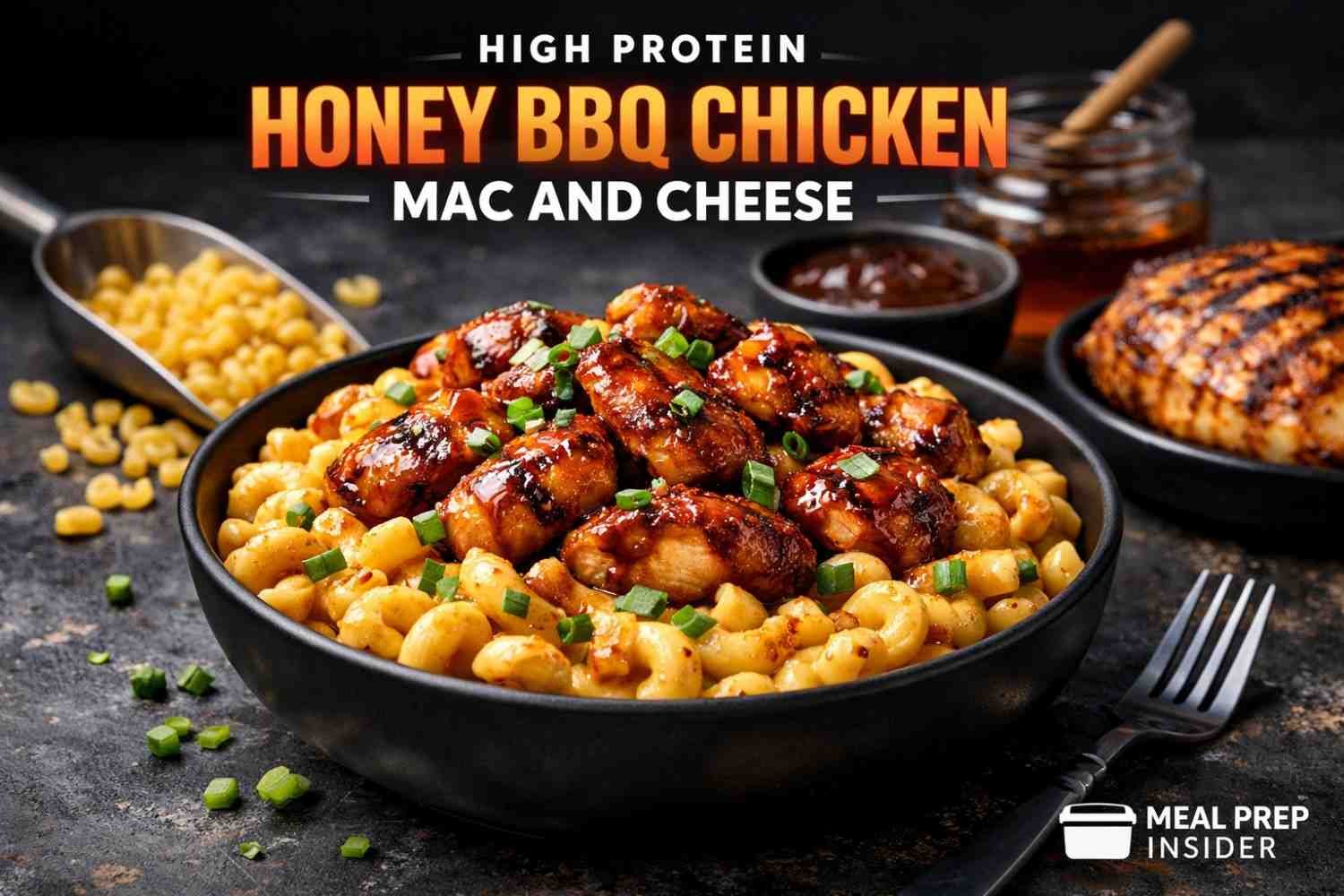
Indulge in this High Protein Honey BBQ Chicken Mac and Cheese – a delicious, guilt-free twist on classic comfort food. Tender chicken, sweet & smoky honey-BBQ sauce, and creamy mac and cheese, packed with over 40g of protein per serving. Perfect for meal prep, fitness goals, and family dinners.
Look, I’m not gonna sugarcoat it. Most “high protein” versions of comfort food taste like cardboard wrapped in disappointment. But this one? This one hits different.
I stumbled onto this recipe during my third year of lifting weights when I was tired of eating plain chicken breast and broccoli. My roommate walked in while I was making regular mac and cheese one Tuesday night and said, “Dude, you’re gonna lose all your gains eating that.” Challenge accepted.
What started as spite-cooking turned into something legitimately amazing. A dish that packs serious protein while still tasting like the comfort food your grandma would approve of. The honey-BBQ sauce adds sweetness that cuts through the richness. The cheese melts into creamy perfection. And the chicken? Tender, flavorful, everything you want.
High Protein Honey BBQ Chicken Mac and Cheese
Traditional mac and cheese has around 15 grams of protein per serving if you’re lucky. This version clocks in at 45+ grams per serving. That’s not a typo.
The secret isn’t adding protein powder or weird supplements. It’s about smart ingredient choices that naturally layer protein. Chicken breast brings lean protein. Greek yogurt adds tang and creaminess without the calories of heavy cream. The cheese selection matters more than you think.
Here’s the thing. You can’t just throw protein at a recipe and expect magic. The balance matters. Too much chicken and it becomes a chicken dish with pasta as an afterthought. Not enough sauce, and everything gets dry and sad.
This recipe walks that tightrope perfectly.
The Nutritional Breakdown
Let’s talk numbers because that’s why you’re here.
Per Serving (Recipe makes 6 servings):
- Calories: 520
- Protein: 47g
- Carbs: 42g
- Fat: 16g
- Fiber: 3g
- Sugar: 9g
Compare that to regular mac and cheese from a box:
- Calories: 350
- Protein: 11g
- Carbs: 48g
- Fat: 11g
- Fiber: 2g
- Sugar: 7g
You’re getting over 4 times the protein for only 170 extra calories. That’s efficiency.
The macro split works beautifully whether you’re cutting, maintaining, or even lean bulking. Adjust your portion size based on your goals. Want more carbs? Add an extra half cup of pasta. Need fewer calories? Use less cheese.
Flexibility is the name of the game.
Ingredients You’ll Need
For the Pasta and Chicken:
- 16 oz high-protein pasta (Banza chickpea pasta or Barilla Protein+)
- 2 lbs boneless, skinless chicken breast
- 1 tbsp olive oil
- 1 tsp garlic powder
- 1 tsp onion powder
- Salt and black pepper to taste
For the Cheese Sauce:
- 1 cup plain nonfat Greek yogurt
- 1 cup low-fat cottage cheese
- 2 cups reduced-fat sharp cheddar cheese, shredded
- 1/2 cup part-skim mozzarella, shredded
- 1/2 cup unsweetened almond milk
- 2 tbsp all-purpose flour
- 1 tsp Dijon mustard
For the Honey BBQ Sauce:
- 1 cup low-sugar BBQ sauce
- 3 tbsp honey
- 1 tbsp apple cider vinegar
- 1/2 tsp smoked paprika
- 1/4 tsp cayenne pepper (optional)
Toppings:
- 1/4 cup green onions, sliced
- 2 tbsp fresh parsley, chopped
- Extra BBQ sauce for drizzling
Equipment Needed
You don’t need a fancy kitchen for this. Just the basics:
- Large pot for pasta
- Large skillet or grill pan
- Medium saucepan
- Mixing bowls
- Whisk
- 9×13 baking dish
- Meat thermometer
That’s it. No special gadgets. No expensive equipment. Just standard kitchen stuff most people already own.
Step-by-Step Instructions
Preparing the Chicken
Start with room-temperature chicken. Cold chicken straight from the fridge cooks unevenly.
Pat the chicken breasts completely dry with paper towels. This step matters more than people realize. Moisture is the enemy of a good sear.
Season both sides generously with garlic powder, onion powder, salt, and pepper. Don’t be shy. The seasoning creates flavor depth that carries through the entire dish.
Heat olive oil in your skillet over medium-high heat. Wait until it shimmers. That’s when you know it’s ready.
Place chicken in the pan. Don’t move it. Seriously, leave it alone for 6-7 minutes. You want that golden-brown crust.
Flip once. Cook another 6-7 minutes until the internal temperature hits 165°F. Undercooked chicken ruins everything. Overcooked chicken becomes rubbery.
Remove from heat and let it rest for 5 minutes. Cutting immediately releases all the juices, leaving you with dry chicken. Patience pays off.
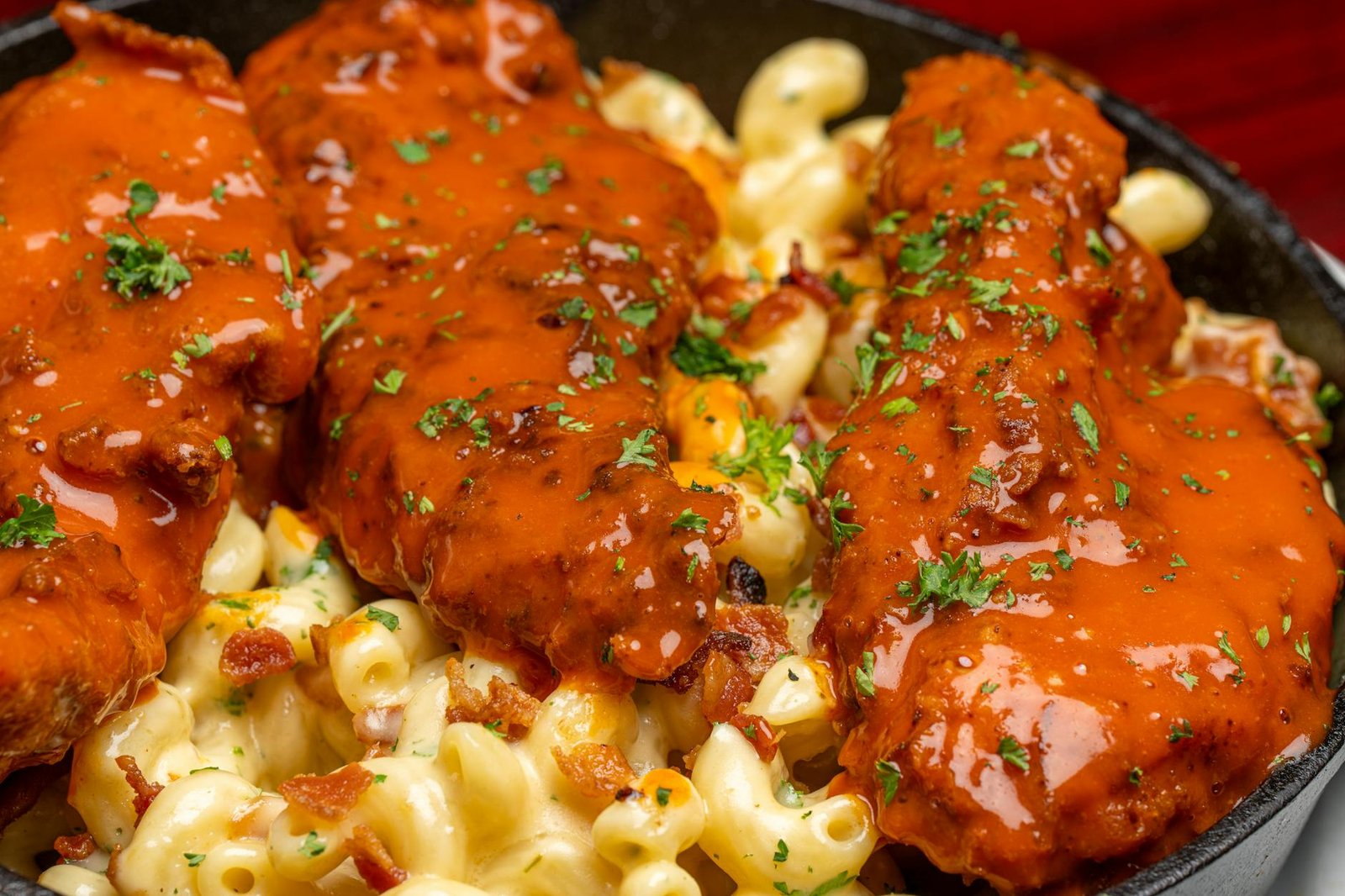
Dice into bite-sized pieces. Not too small or they disappear. Not too large, or they dominate every bite. About 3/4 inch cubes work perfectly.
Cooking the Pasta
Bring a large pot of salted water to a rolling boil. And I mean salted. The water should taste like the ocean.
Add your high-protein pasta. Different brands have different cook times, so check the package. Generally, you want to undercook it by 2 minutes since it’ll continue cooking when you bake everything together.
Stir occasionally to prevent sticking. Nobody wants clumped pasta.
When it’s done, drain but DON’T rinse. The starch on the outside helps the sauce cling better.
Reserve about a cup of pasta water before draining. This starchy liquid is liquid gold for adjusting sauce consistency later.
Making the Honey BBQ Sauce
This is where magic happens.
In a small bowl, combine your BBQ sauce, honey, apple cider vinegar, smoked paprika, and cayenne, if using.
Whisk until everything blends smoothly. The honey adds sweetness that balances the tangy BBQ. The vinegar cuts through richness. The smoked paprika brings depth.
Taste it. Adjust based on your preferences. Want it sweeter? Add more honey. Want more tang? Another splash of vinegar.
Set aside half for mixing into the dish. Keep the other half for drizzling at the end.
Creating the Cheese Sauce
This is where most people mess up high-protein mac and cheese. They make it too thick or too thin. Too bland or too overwhelming.
In a medium saucepan over low heat, combine the cottage cheese and Greek yogurt. Stir constantly until warm, not hot.
Real talk. The cottage cheese might look weird at first. It’ll smooth out. Trust the process.
Add almond milk gradually while stirring. Sprinkle in flour and whisk vigorously to avoid lumps.
Once it’s smooth and slightly thickened, add the Dijon mustard. This adds a subtle tang that makes people wonder what your secret ingredient is.
Gradually add the shredded cheddar and mozzarella. Stir constantly. Low heat is crucial. Too high and the cheese breaks, becoming grainy and separated.
The sauce should coat the back of a spoon. If it’s too thick, add some of that reserved pasta water. Too thin? Let it simmer a bit longer.
Season with salt and pepper to taste.
Bringing Everything Together
Preheat your oven to 375°F.
In a large mixing bowl, combine the cooked pasta, diced chicken, cheese sauce, and half of the honey BBQ sauce.
Mix gently but thoroughly. Every piece of pasta should be coated. Every bite should have chicken.
Transfer to your greased 9×13 baking dish. Spread evenly.
Drizzle the remaining honey BBQ sauce over the top in a nice pattern. It looks pretty and adds concentrated flavor pockets.
If you want extra cheese on top (and who doesn’t?), sprinkle another half cup of cheddar over everything.
Cover with foil and bake for 20 minutes.
Remove the foil and bake for another 10 minutes, until the top is slightly golden and bubbly.
Let it rest for 5 minutes before serving. I know it’s hard to wait when it smells this good, but it helps everything set properly.
Garnish with green onions and fresh parsley.
Customization Options
The beauty of this recipe is its flexibility. Make it your own.
Spice Level Adjustments:
- Mild: Skip the cayenne, use sweet BBQ sauce
- Medium: Recipe as written
- Hot: Double the cayenne, add diced jalapeños, use spicy BBQ sauce
Vegetable Additions:
- Bell peppers (adds crunch and sweetness)
- Broccoli florets (extra fiber and nutrients)
- Corn kernels (classic BBQ pairing)
- Diced tomatoes (brightness and acidity)
- Sautéed mushrooms (umami depth)
Protein Variations:
- Pulled chicken instead of diced
- Rotisserie chicken (saves time)
- Ground turkey (different texture)
- Shredded chicken thighs (more flavor, slightly higher fat)
Cheese Combinations:
- Swap mozzarella for Monterey Jack
- Add smoked Gouda for a deeper BBQ flavor
- Use white cheddar for a different look
- Throw in some cream cheese for extra creaminess
Pasta Alternatives:
- Regular elbow macaroni (lower protein but classic)
- Penne (holds sauce differently)
- Shells (catch more sauce)
- Rotini (fun texture)
Meal Prep and Storage
This recipe is a meal prepper’s dream. I make it every Sunday and eat it throughout the week.
Refrigerator Storage:
Divide into individual portions in airtight containers. It’ll keep for 4-5 days easily.
The sauce thickens as it sits. When reheating, add a splash of almond milk or water to loosen it up.
Freezer Storage:
Freezes beautifully for up to 3 months.
Portion into freezer-safe containers, leaving a bit of room at the top for expansion.
Thaw overnight in the fridge, then reheat.
Reheating Tips:
Microwave: Add a tablespoon of water or milk, cover, heat in 1-minute intervals, stirring between.
Oven: Cover with foil, bake at 350°F for 20-25 minutes until heated through.
Stovetop: Add to a pan with a bit of liquid, stir over medium heat until warm.
Pitfalls to Avoid
I’ve made this recipe probably 50 times. I’ve messed it up in every way possible, so you don’t have to.
Using Regular Pasta
Yeah, you can use regular pasta. But you lose nearly 30 grams of protein per serving. The whole point of this recipe is the protein content. High-protein pasta might cost a bit more, but it’s worth it.
Overcooking the Chicken
Dry chicken ruins the entire dish. Use a meat thermometer. It’s not optional if you want consistent results.
Making the Sauce Too Hot
High heat breaks cheese sauce. It becomes grainy and gross. Low and slow wins the race every time.
Skipping the Rest Time
Whether it’s the chicken after cooking or the finished dish before serving, rest time matters. It lets everything come together properly.
Not Seasoning Enough
High-protein ingredients can taste bland without proper seasoning. Taste as you go. Adjust accordingly.
Using Fat-Free Everything
I’m all for healthy eating, but going completely fat-free makes this taste like sadness. The reduced-fat options work perfectly. Fat-free cheese doesn’t melt right, and Greek yogurt without any fat tastes sour.
Adding All the BBQ Sauce at Once
Layering the sauce (some mixed in, some on top) creates better flavor distribution. All at once, and it gets lost.
Pairing Suggestions
This dish is rich and filling. You don’t need much else, but here are some ideas.
Side Dishes:
- Simple green salad with vinaigrette
- Roasted Brussels sprouts
- Steamed broccoli with lemon
- Coleslaw (the acidity cuts the richness)
- Grilled asparagus
- Corn on the cob
Drinks:
- Iced tea (unsweetened or lightly sweetened)
- Light beer
- Sparkling water with lime
- Lemonade
- Cold brew coffee (surprisingly good)
The Fitness Angle
Let’s be honest about why this recipe exists. You want to build muscle or maintain it while enjoying food that actually tastes good.
Regular mac and cheese doesn’t fit most fitness goals. It’s carb-heavy, protein-light, and calorie-dense, with little nutritional value.
This version flips the script. The protein content supports muscle recovery and growth. The carbs provide energy for your workouts. The moderate fat keeps you satisfied.
It works whether you’re:
- Bulking and need easy calories with good macros
- Cutting and want satisfying food that fits your numbers
- Maintaining and just trying to eat well
- Not tracking anything but wanting healthier comfort food
The 45+ grams of protein per serving means you’re hitting a solid chunk of your daily needs in one meal. For most people aiming for 150-200g of protein daily, this provides about 25-30% of the daily intake in a single sitting.
Budget Considerations
High-protein eating can get expensive. This recipe keeps costs reasonable without sacrificing quality.
Cost Breakdown (approximate):
- High-protein pasta: $3-4
- Chicken breast (2 lbs): $6-8
- Greek yogurt: $3
- Cottage cheese: $2.50
- Cheeses: $6-7
- BBQ sauce: $3
- Honey: $1
- Other ingredients: $3
Total: About $28-31 for 6 servings
That’s roughly $4.70 to $ 5.17 per serving for a restaurant-quality, high-protein meal.
Compare that to a high-protein meal from a meal prep service ($10-15 per serving) or eating out ($12-20 per serving).
Money-Saving Tips:
Buy chicken when it’s on sale and freeze it. Stock up during buy-one-get-one deals.
Generic high-protein pasta works just as well as name brands. Banza is great, but store brands are popping up.
Block cheese is cheaper than pre-shredded and melts better anyway. Shred it yourself.
Make your own BBQ sauce. Honestly though, with how little you use, buying it is fine.
Greek yogurt goes on sale frequently. Buy extra and freeze it.
RELATED POST >> Easy Crockpot Creamy Coconut Chicken Tikka Masala
Kid-Friendly Modifications
Getting kids to eat high-protein meals is tough. This recipe actually works.
My buddy has two picky eaters. They devoured this. Here’s what he did differently:
Use a sweeter BBQ sauce. Kids gravitate toward sweet flavors.
Cut the chicken into smaller pieces so it hides better in the pasta.
Skip or reduce the cayenne pepper. Most kids aren’t fans of heat.
Add corn or peas mixed in. Familiar vegetables they might actually eat.
Let them add extra cheese on top. Kids love cheese.
Serve it in fun bowls or plates. Presentation matters with little ones.
Don’t call it “healthy” or “high protein.” Just call it BBQ chicken mac and cheese.
Scaling the Recipe
Need more or less? Here’s how to adjust.
For 4 Servings:
Multiply all ingredients by 0.67. Use a smaller 8×8 baking dish.
For 8 Servings:
Multiply all ingredients by 1.33. You might need a larger baking dish or two 9×13 pans.
For 12 Servings:
Double everything. Use two 9×13 baking dishes.
Cooking times stay roughly the same regardless of batch size because you’re still baking in similar, deep layers.
Restaurant vs Homemade
I’ve tried ordering high-protein mac and cheese from health-focused restaurants. It’s either bland, expensive, or both.
Noodles & Company has a protein version. Costs $12 and has maybe 25g of protein. Plus, you can’t control the ingredients or customize it.
Muscle Maker Grill charges $15 for similar dishes with comparable macros.
Making it at home gives you:
- Control over ingredients and quality
- Customization to your taste preferences
- Better macros per dollar
- Leftovers for days
- The satisfaction of making something yourself
Real talk, cooking takes time. If you genuinely don’t have time, meal prep services might make sense. But if you can carve out an hour on Sunday, this recipe is worth it.
Texture and Flavor Profile
Let’s talk about what you’re actually eating here.
The pasta maintains a slight bite even after baking. It’s not mushy like some baked mac and cheese gets.
The chicken adds heartiness and texture contrast. Each bite has tender protein that complements the pasta.
The cheese sauce is creamy but not heavy. The Greek yogurt adds a subtle tang that brightens everything. You won’t taste it specifically, but you’d notice if it wasn’t there.
The honey BBQ sauce is the star. Sweet, tangy, slightly smoky. It weaves through every component, tying everything together.
The cheese on top gets slightly crispy where it touches the edges. Those corner pieces? Chef’s kiss.
Fresh herbs at the end add brightness and make it look like you know what you’re doing in the kitchen.
When to Serve This
This isn’t just a random weeknight dinner (though it works for that too). It’s versatile.
Meal Prep Sundays:
Make a batch, portion it out, and eat well all week.
Post-Workout Meals:
The protein and carbs make this perfect for recovery.
Game Day Food:
Way better than wings and pizza, similar vibe, better macros.
Family Dinners:
Everyone, from kids to grandparents, enjoys it.
Potlucks:
Bring this and watch it disappear first.
Comfort Food Cravings:
When you want mac and cheese but also want to stick to your goals.
Cold Weather Eating:
Something about creamy, warm, cheesy pasta hits different when it’s cold outside.
The Science Behind High-Protein Pasta
You might wonder if high-protein pasta is actually worth it or just marketing hype.
Traditional pasta is made from refined wheat flour. Mostly carbs, minimal protein.
High-protein pasta uses alternative ingredients:
Chickpea Pasta (like Banza):
- Made from chickpeas, tapioca, pea protein, xanthan gum
- 25g protein per 3.5 oz serving vs 13g in regular pasta
- Higher in fiber
- Slightly nuttier flavor
- Different texture, but not bad
Protein+ Pasta (like Barilla):
- Made from wheat with added protein from lentils, chickpeas, and eggs
- 17g protein per 3.5 oz serving
- Tastes more like traditional pasta
- Slightly firmer texture
Red Lentil Pasta:
- Made from red lentils
- 21g protein per 3.5 oz serving
- Distinct flavor
- Can get mushy if overcooked
For this recipe, chickpea or protein+ pasta works best. They hold up to baking without falling apart.
Troubleshooting Issues
Things go wrong sometimes. Here’s how to fix them.
Problem: The sauce is too thick
Solution: Stir in pasta water or almond milk a tablespoon at a time until the desired consistency.
Problem: The sauce is too thin
Solution: Simmer longer to reduce, or make a slurry with a teaspoon of flour and water, stir it in.
Problem: Cheese is grainy
Solution: The heat was too high. Unfortunately, you can’t fix broken cheese sauce. Start over with lower heat.
Problem: Chicken is dry
Solution: Cook to exactly 165°F, not higher. Let it rest before cutting. Next time, consider brining the chicken for 30 minutes before cooking.
Problem: Pasta is mushy
Solution: You overcooked it or baked it too long. Remember to undercook pasta by 2 minutes initially.
Problem: Not enough flavor
Solution: Season more aggressively. Add more BBQ sauce. Use smoked cheese. Don’t be timid with salt and pepper.
Problem: Too salty
Solution: Add a bit of honey to balance it out. Serve with unsalted sides.
Advanced Techniques
Once you’ve mastered the basic recipe, try these upgrades.
Smoke the Chicken:
Use a smoker or add liquid smoke to the marinade. Smoked chicken plus BBQ sauce is next-level.
Make Your Own Cheese Blend:
Experiment with aged cheddar, gruyere, and fontina. Different cheeses create different flavor profiles.
Caramelize Onions:
Add caramelized onions to the mix. Sweetness and depth.
Create a Crust:
Mix panko breadcrumbs with a bit of melted butter and Parmesan. Sprinkle on top before the final bake.
Layered Approach:
Instead of mixing everything, layer pasta, chicken, sauce, repeat. Creates a lasagna-like effect.
Charred Vegetables:
Char some bell peppers or corn under the broiler before mixing in. Adds complexity.
Cultural Context
Mac and cheese is as American as it gets. Thomas Jefferson popularized it. Kraft made it accessible during the Depression.
BBQ is deeply rooted in American food culture, particularly in the South. Different regions have different styles, but all share the slow-cooked, smoky, saucy foundation.
Combining them isn’t revolutionary. BBQ restaurants have served mac and cheese as a side forever. Some mix pulled pork into it.
This version just makes it work for modern dietary goals. Americans increasingly care about protein intake and fitness. The gym culture has exploded over the past decade.
We want comfort food that aligns with our health goals. We’re not willing to give up flavor for fitness anymore. Food should taste good AND support our bodies.
This recipe exists at that intersection. Traditional flavors, modern nutritional profile.
Seasonal Variations
You can adapt this throughout the year.
Summer Version:
- Use grilled chicken for extra char flavor
- Add corn and bell peppers
- Serve slightly less hot
- Top with fresh cilantro instead of parsley
Fall Version:
- Add diced butternut squash
- Use apple cider in place of vinegar in the BBQ sauce
- Add sage to the cheese sauce
- Top with crispy fried onions
Winter Version:
- Add hot sauce for warmth
- Use smoked paprika generously
- Serve piping hot
- Add bacon bits on top (extra protein!)
Spring Version:
- Add fresh peas or asparagus
- Use lighter cheese like white cheddar
- Top with fresh chives
- Add lemon zest to brighten it
Environmental Considerations
If you care about sustainability (and you should), here are some thoughts.
Chicken has a lower carbon footprint than beef or pork. Choosing chicken breast over red meat makes this relatively eco-friendly for a protein-heavy dish.
Chickpea pasta requires less water to produce than traditional wheat pasta. Legumes are generally more sustainable.
Buying local cheese when possible reduces transportation emissions.
Making food at home instead of ordering takeout significantly reduces packaging waste.
Eating high-protein meals that keep you full longer might mean eating less overall, which has environmental benefits.
Not everyone can prioritize sustainability all the time. But if it matters to you, this recipe does okay on that front.
The Social Media Factor
This dish photographs beautifully. If you’re into food Instagram, here are tips.
Natural lighting works best. Shoot near a window during the day.
The drizzle of BBQ sauce creates visual interest. Make it look intentional.
Garnish heavily for photos. Those green onions and parsley pop against the golden cheese.
Use a shallow depth of field. Focus on the foreground, blur the background.
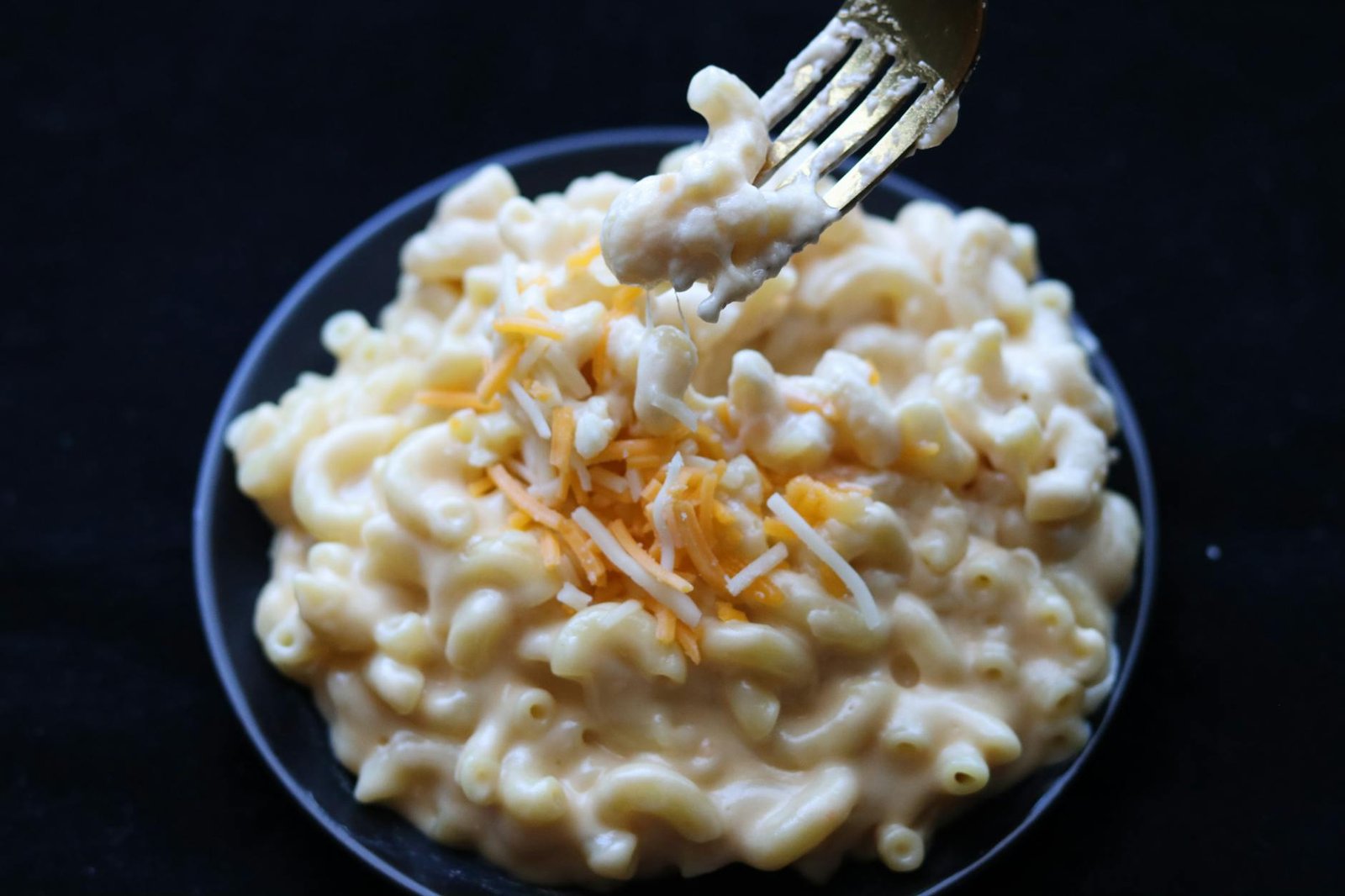
Show the stretch. Pull a forkful away to show the melty cheese.
Include the protein in the shot. Show a piece of chicken prominently.
Use warm tones in editing. This food should look cozy and inviting.
I’m not saying you need to photograph your food. But if you do, this recipe gives you good material to work with.
Health Benefits Beyond Protein
The high protein is the main selling point, but this dish offers other nutritional benefits.
Calcium:
Cheese and Greek yogurt provide significant calcium for bone health.
Probiotics:
Greek yogurt and cottage cheese contain beneficial bacteria for gut health.
B Vitamins:
Chicken is rich in B vitamins, especially B3 and B6, important for energy metabolism.
Phosphorus:
Abundant in dairy and chicken, crucial for bone health and energy production.
Selenium:
Chicken provides selenium, an antioxidant that supports immune function.
The high protein itself offers benefits:
- Increased satiety (you stay full longer)
- Better muscle recovery after exercise
- More stable blood sugar compared to high-carb meals
- Higher thermic effect (your body burns more calories digesting protein)
Final Thoughts on Execution
Making this recipe is straightforward. You don’t need to be an experienced cook. You just need to follow the steps and pay attention.
The first time might take you 90 minutes. By the third time, you’ll knock it out in under an hour.
Prep everything before you start cooking. Mise en place isn’t just for professional chefs. It makes home cooking less stressful.
Read through the entire recipe before starting. Nothing worse than getting halfway through and realizing you’re missing an ingredient.
Don’t be intimidated by cheese sauce. It seems fancy, but it’s just melting cheese slowly into liquid.
Trust your instincts. If something looks too thick, thin it. If it needs more seasoning, add it. Recipes are guidelines, not laws.
Taste as you go. Your palate is the best measuring tool you have.
And honestly? Even if you mess something up slightly, it’ll probably still taste pretty good. Mac and cheese is forgiving that way.
This recipe has become my go-to for meal prep. It’s what I make when I want to eat well without thinking too hard about it during the week.
It’s what I bring to gatherings when I want people to stop associating healthy eating with boring food.
It’s what I make when I’m craving comfort but don’t want to derail my progress.
Maybe it’ll become that for you, too.
Give it a shot. Adjust it to your preferences. Make it your own.
And if you mess it up the first time, make it again. The second attempt is always better anyway.
Frequently Asked Questions
Can I use regular pasta instead of high-protein pasta?
Sure, but you’ll lose about 10-15 grams of protein per serving. The whole point of this recipe is maximizing protein, so I’d recommend sticking with high-protein options. If cost is an issue, look for store-brand chickpea pasta, which is usually cheaper than Banza.
How do I prevent the cottage cheese from being lumpy?
Blend the cottage cheese in a food processor before adding it to the sauce. This creates a completely smooth texture. Alternatively, buy small curd cottage cheese and blend it with the Greek yogurt using an immersion blender.
Can I make this in a slow cooker?
Sort of, but it won’t be quite the same. Cook the pasta and chicken separately. Mix everything in the slow cooker on low for 2 hours. You won’t get the crispy top, and the texture will be softer overall. The oven version is definitely superior.
Is this recipe gluten-free?
If you use chickpea or lentil pasta, yes. Check that your BBQ sauce is gluten-free (most are). Everything else in the recipe is naturally gluten-free.
Can I use chicken thighs instead of breasts?
Absolutely. Thighs have more flavor and stay moister. They also have slightly higher fat content, which will increase the calories to about 580 per serving and fat to about 22g. The protein drops slightly to 42g per serving.
How can I make this dairy-free?
This is tricky since cheese is central to the recipe. You could use dairy-free cheese alternatives, but honestly, most don’t melt well, and the texture suffers. Nutritional yeast creates a cheesy flavor, but it won’t give you the same creamy sauce. This might not be the best recipe to make dairy-free.
What if I don’t have honey?
Use maple syrup, agave nectar, or even brown sugar. Each changes the flavor slightly, but all work. Maple syrup adds a different kind of sweetness that’s actually pretty interesting with BBQ.
Can I add bacon to this?
Definitely. Cook 4-6 strips of bacon, crumble it, and mix it in or use it as a topping. This adds about 80 calories and 6g of protein per serving if you use 6 strips total. Turkey bacon works too if you want to keep it leaner.
How do I reheat without drying it out?
Add a tablespoon or two of water, milk, or chicken broth before reheating. Cover while reheating to trap steam. If using a microwave, heat at 70% power rather than full power for more even heating.
Can I freeze individual portions?
Yes. Use freezer-safe containers, leaving half an inch of space at the top for expansion. Label with the date. It’ll keep for 3 months. Thaw in the fridge overnight, then reheat.
What’s the best BBQ sauce to use?
I like Sweet Baby Ray’s Honey BBQ for this recipe. Stubbs Original also works great. Look for options with less than 8g of sugar per serving if you’re watching that. Avoid super-thick sauces—they don’t distribute as well.
Can I prep components ahead of time?
Totally. Cook the chicken up to 3 days ahead and refrigerate. Make the BBQ sauce up to a week ahead. Cook the pasta the same day you assemble it for the best texture. The cheese sauce is best made fresh.
How spicy is this with the cayenne?
Barely spicy. The 1/4 teaspoon just adds warmth, not heat. If you’re sensitive to spice, skip it entirely. If you like heat, double or triple it, or add hot sauce to your individual portion.
Can kids eat this?
Yes. It’s kid-friendly, especially if you reduce or eliminate the cayenne and use a sweeter BBQ sauce. The high protein is great for growing kids. Just watch portion sizes since kids need less food overall than adults.
Does this taste healthy?
No, and that’s the point. It tastes like indulgent comfort food. Nobody eating this would guess it has 47g of protein per serving. That’s what makes it so effective for sticking to nutrition goals.
Can I make this without baking it?
You can mix everything together and eat it immediately after making the sauce. You’ll miss out on the melded flavors and slightly crispy top, but it still tastes good. It’ll be saucier and less cohesive.
What’s the best way to shred the cheese?
Use the large holes on a box grater. Shred it yourself rather than buying pre-shredded. Pre-shredded cheese has anti-caking agents that prevent smooth melting.
How do I know when the chicken is done?
Use a meat thermometer inserted into the thickest part. It should read 165°F. If you don’t have a thermometer, cut into the thickest piece—it should be white throughout with clear juices, no pink.
Can I use a different type of protein?
Ground turkey works. So does shredded rotisserie chicken. Even diced pork tenderloin could work. Each changes the flavor slightly, but the concept remains the same.
Why does my sauce keep breaking?
The heat is too high. Cheese sauce needs low, gentle heat. If it breaks, you can sometimes save it by removing it from the heat and whisking in a tablespoon of cold milk while whisking vigorously, but prevention is better than cure.
The recipe isn’t complicated. The ingredients are accessible. The results are consistently good.
That’s really all you need in a recipe. Something that works, tastes great, and supports your goals.
Make it this weekend. See what you think. Adjust it next time based on your preferences.
And then make it part of your regular rotation, because food this good shouldn’t be a one-time thing.
SUGGESTED POST >> Best Baked Steelhead Trout Recipe Oven in 30 Minutes