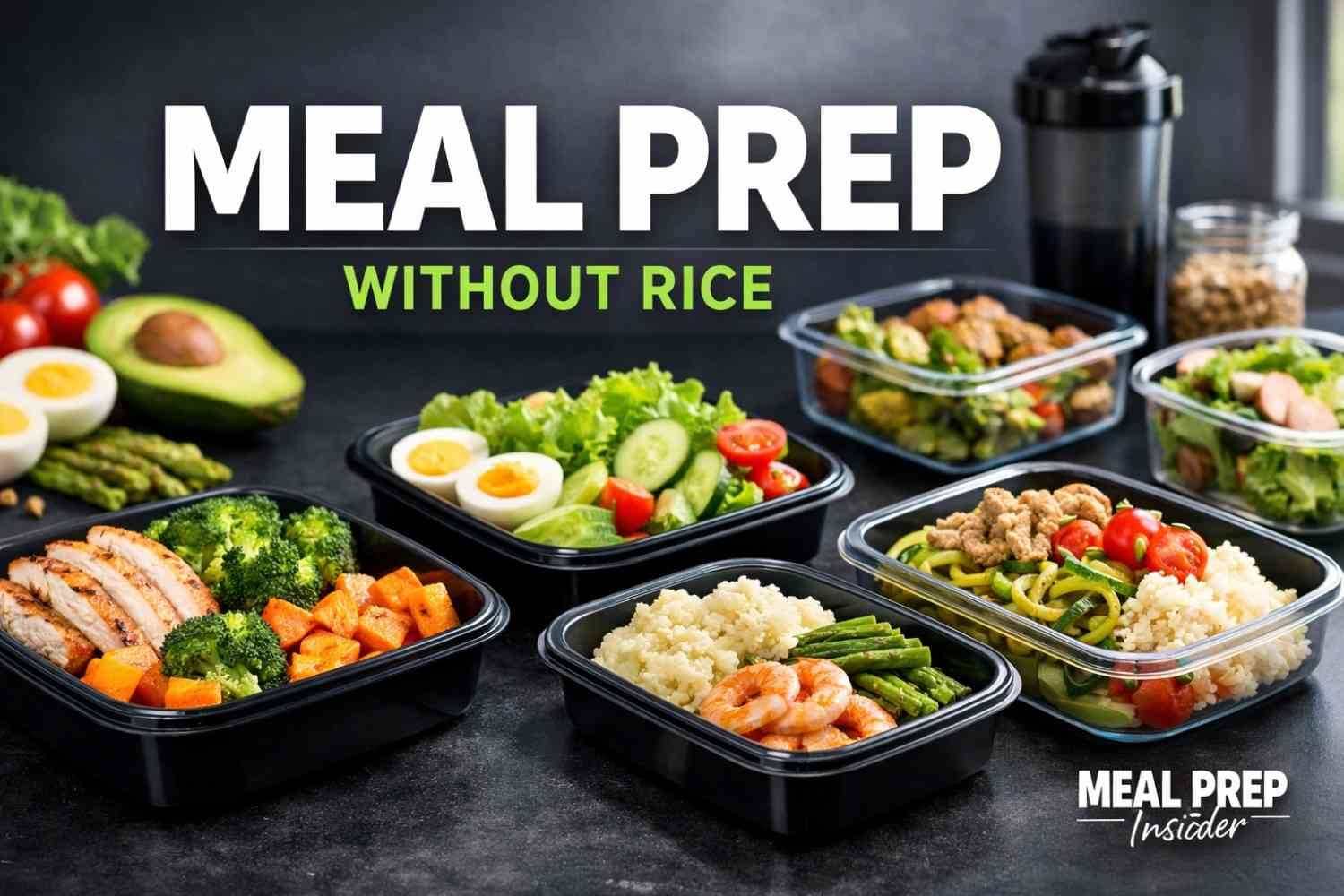
Meal Prep Without Rice: Unveil delicious and satisfying meal prep ideas without rice. High-protein, low-carb recipes with cauliflower rice alternatives, quinoa, sweet potatoes, and fresh veggies for healthy, easy weekly meal prep.
Why You Might Want to Prep Without Rice
Look, rice is convenient. It’s cheap, filling, and pairs with basically everything. But here’s the thing—you don’t need it.
Maybe you’re cutting carbs. Maybe you’re just bored with eating the same grain bowls every single day. Or perhaps your stomach doesn’t handle rice well anymore. Whatever the reason, stepping away from rice opens up a world of possibilities you probably haven’t considered.
The standard meal prep formula has been the same forever: protein, rice, and vegetables. Repeat five times. Store in containers. Eat until Friday when you’re absolutely sick of it.
There’s a better way.
The Real Benefits of Going Rice-Free
When you remove rice from your meal prep equation, you’re not just subtracting something. You’re making room for nutrients, textures, and flavors that rice typically overshadows.
Here’s what changes:
- More variety of vegetables in your diet
- Lower overall carbohydrate intake (if that’s your goal)
- Better macronutrient distribution across meals
- Reduced meal prep monotony
- Faster reheating times in many cases
- Less bloating for those sensitive to certain grains
Rice takes up bowl real estate. When it’s gone, you fill that space with something else—and that something else is usually more nutrient-dense.
Base Alternatives That Actually Taste Good
Let’s get practical. You need something to build your meals around. These alternatives work for Americans with normal access to grocery stores and regular schedules.
Cauliflower Everything
Cauliflower rice changed the game years ago, but most people still aren’t using it right.
Buy it frozen. Seriously. The frozen bags at Trader Joe’s or Costco are already riced, already portioned, and stupidly convenient. You can cook a week’s worth in fifteen minutes.
Season it properly, though. Plain cauliflower rice tastes like sadness. Add garlic powder, a little butter or olive oil, salt, and whatever spices match your protein. Suddenly it’s not a diet food anymore—it’s just food.
Cauliflower also mashes like potatoes. It roasts into crispy florets. It blends into creamy soups. This vegetable is weirdly versatile for something that looks like a brain.
Quinoa for When You Still Want Grains
Quinoa gets grouped with rice, but it’s different enough to mention.
It’s technically a seed. It has more protein than rice. It reheats better. And honestly, it has more flavor even when you do nothing to it.
The trick with quinoa is the cooking liquid. Use bone broth, chicken stock, or vegetable broth instead of water. Toast it dry in the pot for two minutes before adding liquid. These small steps make massive differences.
One cup of dry quinoa becomes three cups cooked. That’s enough for probably six meals, depending on your portions.
Sweet Potatoes as the Foundation
Roasted sweet potato cubes are ridiculously good as a meal base.
Cut them into half-inch cubes, toss with oil and salt, and roast at 425°F for 25 minutes. They get crispy on the outside, creamy on the inside. They’re naturally sweet, so they pair well with spicy proteins or tangy dressings.
Sweet potatoes are also nutritionally superior to regular potatoes in most ways. More fiber, more vitamin A, better blood sugar response.
You can meal prep six sweet potatoes on Sunday and use them in different ways throughout the week. Mexican bowls Monday, Mediterranean Tuesday, Asian-inspired Wednesday. Same base, different toppings.
Zucchini Noodles When You’re Feeling Ambitious
Zucchini noodles (zoodles, if you must) work when you prep them correctly.
The main issue people have is water. Zucchini is like 95% water. If you just spiralize and store them, you’ll have soup by Wednesday.
Here’s how to fix that:
- Spiralize your zucchini on Sunday
- Salt them generously and let them sit for 30 minutes
- Squeeze out the water with paper towels or a clean kitchen towel
- Store in containers lined with more paper towels
They stay relatively firm for 3-4 days. Sauté them for literally 2 minutes before eating. That’s it.
Legume Pasta Because It’s 2025
Chickpea pasta, lentil pasta, black bean pasta—these are everywhere now.
They have way more protein than regular pasta. They have more fiber. And real talk, some of them taste pretty close to normal pasta if you don’t overcook them.
Cook them al dente. Like, more al dente than you think. They’ll soften slightly in storage, and you don’t want them to be mushy.
Toss with a tiny bit of olive oil after draining to prevent sticking. Store separate from the sauce if you’re doing Italian-style meals.
Greens as the Actual Base
Sometimes you just want a big salad with protein on top.
Meal prepping salads seems impossible because lettuce gets soggy and sad. But heartier greens don’t.
Massaged kale stays good for days. Arugula holds up better than you’d think. Spinach works if you keep dressing separate.
The container method matters here. Use containers with dividers or small separate containers for wet ingredients. Keep proteins, dressings, and crunchy toppings away from greens until you’re ready to eat.
Protein-Forward Meal Prep Ideas
Without rice taking center stage, your protein becomes more important. It needs to be flavorful enough to carry the meal.
Shredded Chicken Five Different Ways
Shredded chicken is the ultimate meal prep protein. It’s cheap, easy, and adaptable to any flavor profile.
Cook six pounds of chicken breasts or thighs in your Instant Pot or slow cooker on Sunday. Shred it all. Divide into portions. Season each portion differently:
Batch 1: Mexican
Cumin, chili powder, lime juice, cilantro
Batch 2: Mediterranean
Oregano, lemon juice, garlic, olive oil
Batch 3: Asian
Soy sauce, ginger, sesame oil, green onions
Batch 4: Buffalo
Frank’s RedHot, butter, ranch seasoning
Batch 5: Plain
Just salt and pepper for maximum flexibility
Now you have five different meals from the same cooking session.
Ground Meat Crumbles
Ground turkey, beef, or chicken seasoned and cooked works in a ridiculous number of meals.
Cook three pounds. Season half for tacos. Season the other half for Italian dishes. You’ve got options.
Ground meat reheats better than whole cuts in many cases. It’s cheaper per pound. And it mixes easily with other ingredients.
Salmon That Doesn’t Suck
Most people ruin salmon in meal prep. They overcook it on Sunday, then reheat it on Thursday, and wonder why it’s dry and fishy.
Here’s the fix: undercook it slightly on Sunday. We’re talking like 90% done. The center should still be a tiny bit translucent.
When you reheat, it finishes cooking without drying out. Use lower heat for longer rather than high heat.
Or try this: prep your salmon raw with seasonings, portioned out. Store in the fridge. Cook fresh each day. It only takes 12 minutes at 400°F.
Boiled Eggs Because They’re Underrated
Boiled eggs are pure protein, virtually zero carbs, and they last a week.
Peel them all on Sunday while watching TV. Store in a container with a damp paper towel to prevent them from drying out.
Slice them over salads. Mash them with avocado for quick egg salad. Eat them plain with hot sauce. They’re more versatile than people give them credit for.
Sample Weekly Meal Plans
Let’s put this into practice with actual meal combinations that work.
Plan One: Low-Carb Focus
Monday: Taco bowl with cauliflower rice, seasoned ground turkey, lettuce, salsa, avocado
Tuesday: Lemon herb chicken over massaged kale with cherry tomatoes and cucumber
Wednesday: Asian beef and broccoli over cauliflower rice
Thursday: Chicken sausage with roasted zucchini and bell peppers
Friday: Salmon over arugula with roasted sweet potato cubes
This plan keeps carbs from vegetables and sweet potatoes but ditches grains entirely.
Plan Two: Mediterranean Vibes
Monday: Greek chicken bowls with quinoa, cucumber, tomatoes, olives, feta
Tuesday: Lentil pasta with turkey meatballs and marinara
Wednesday: Chicken souvlaki with tzatziki over mixed greens
Thursday: Shakshuka-style eggs with roasted vegetables
Friday: Salmon with roasted vegetables and tahini drizzle
This gives you variety without repetition. Different proteins, different vegetables, different flavor profiles.
Plan Three: Budget-Friendly
Monday: Egg muffins with vegetables and cheese
Tuesday: Black bean and sweet potato bowls with avocado
Wednesday: Ground turkey and vegetable stir-fry over cabbage
Thursday: Tuna salad over mixed greens with chickpeas
Friday: Lentil soup with whole grain bread
You can prep all of this for under sixty dollars, depending on where you shop.
The Storage Situation
How you store matters as much as what you cook.
Container Strategy
Glass containers are superior for reheating. They don’t stain. They don’t hold smells. They last forever.
But they’re heavy and breakable. If you’re carrying lunch to work every day, plastic might make more sense.
Get containers with compartments. Keeping wet and dry ingredients separate significantly extends freshness.
Freezer-Friendly Options
Not everything needs to be refrigerated for the week. Some things freeze beautifully.
Soups, stews, and chilis freeze well. Cooked proteins in sauce freeze well. Most casserole-style dishes freeze well.
Things that DON’T freeze well: lettuce, raw vegetables, dairy-heavy sauces, anything crispy.
Freeze in individual portions. Label with the date and contents. Use within three months for the best quality.
The Three-Day Rule
Honestly, most foods start declining after three days in the fridge.
If you hate meal prep by Wednesday, try prepping twice a week instead. Sunday for Monday-Wednesday. Wednesday night for Thursday-Saturday.
It’s more work frequency-wise, but less monotony. Your Thursday meal tastes fresh because it basically is.
Pitfalls People Run Into
Let’s address the usual slip-ups.
Over-Complicating Everything
You don’t need seventeen ingredients per meal. You don’t need fancy sauces. You don’t need an Instagram-worthy presentation.
Protein, vegetables, healthy fat, and seasoning. That’s literally a complete meal.
Keep it simple. You can always add complexity later once the habit is solid.
Under-Seasoning
This is the number one reason meal prep tastes boring.
Salt, pepper, garlic powder, and one other spice are the minimum. Real food needs real seasoning.
Season each component separately. Season the vegetables. Season the protein. Season the base. Layered seasoning creates depth.
Portion Miscalculations
Making too much is wasteful. Making too little leaves you hungry and ordering takeout by Wednesday.
Use a food scale for two weeks. Track what you actually eat. Then you’ll know your portions.
Most people need 4-6 ounces of protein per meal, 1-2 cups of vegetables, and a reasonable amount of healthy fats.
Ignoring Texture
All mushy food is depressing food.
Include something crunchy in your meals. Nuts, seeds, raw vegetables, crispy chickpeas—whatever works.
Texture variety makes food more satisfying psychologically. This isn’t woo-woo stuff. It’s actual food science.
Sauce Neglect
Dry food is sad food.
Make or buy sauces. Store them separately. Add them when you eat.
Good sauces to keep around:
- Tahini dressing
- Chimichurri
- Peanut sauce
- Salsa verde
- Tzatziki
- Simple vinaigrettes
A good sauce transforms boring meal prep into something you’re genuinely excited to eat.
Time-Saving Hacks That Actually Work
You don’t have unlimited Sunday afternoon hours. Here’s how to be efficient.
The Sheet Pan Method
One pan, multiple foods, same oven.
Put chicken thighs on one side. Sweet potato cubes in the middle. Broccoli on the other side. Roast everything at 400°F for 35 minutes.
Done. You’ve cooked three meal components simultaneously.
Different foods need different cooking times, so add things in stages. Start the sweet potatoes. Add chicken after 10 minutes. Add broccoli in the last 15.
Instant Pot Everything
The Instant Pot isn’t just hype.
You can cook dried beans in 30 minutes. Whole chickens in 25 minutes. Steel-cut oats in 10 minutes.
Set it and walk away. Do other prep while it’s cooking.
Buying Pre-Prepped When It Makes Sense
Pre-cut vegetables cost more. But if they’re the difference between meal prepping and not, they’re worth it.
Pre-spiralized zucchini noodles, pre-riced cauliflower, pre-cut butternut squash—these aren’t lazy purchases. They’re time purchases.
Your time has value. Sometimes paying three dollars extra saves you forty minutes. That math works.
Cooking Proteins in Bulk
Cook all your proteins at once. Use different methods for variety:
- Bake chicken breasts
- Slow-cook chicken thighs
- Pan-fry salmon
- Boil eggs
- Brown ground meat
Run your oven, stovetop, and slow cooker simultaneously. Knock out everything in ninety minutes.
RELATED POST >> How to Meal Prep Breakfast Sandwiches [Freezer-Friendly]
Making It Sustainable Long-Term
Meal prep fails when it becomes a chore you dread.
Start Smaller Than You Think
Don’t prep fifteen meals your first week. Prep five.
Just weekday lunches. Or just dinners. Or just breakfasts.
Master one meal type before expanding. Build the habit gradually.
Repeat Meals Without Apology
You don’t need variety every single day.
If you find three meals you genuinely like, rotate them for a month. You’re not a professional chef. You’re someone trying to eat well consistently.
Repetition builds efficiency. You’ll get faster at making the same meals. Shopping becomes automatic.
Include Easy Backup Options
Sometimes life happens. You don’t want to eat meal prep.
Keep frozen proteins, canned beans, and frozen vegetables around. These are your emergency meals.
A rotisserie chicken from the grocery store counts as meal prep if you portion it out for the week.
Adjust Based on Feedback
Pay attention to what you actually eat versus what sits in the fridge.
If you’re not eating the zucchini noodles by Thursday, stop making them. If you’re always excited about the chicken bowls, make more of those.
Your meal prep should match your preferences, not someone else’s Instagram feed.
Tools Worth Having
You don’t need much, but a few things make life easier.
Actually Essential Items
- Sharp knife
- Cutting board
- Sheet pans (at least two)
- Storage containers (at least ten)
- Food scale
That’s honestly it. Everything else is optional.
Nice to Have
- Instant Pot or slow cooker
- Spiralizer for vegetable noodles
- Food processor for chopping
- Rice cooker (ironic, but useful for quinoa)
- Meal prep bags if you’re portable
Don’t buy stuff just to buy stuff. See what you actually need through practice.
Recipe Ideas to Get Started
Here are five complete meals to try this week.
Buffalo Chicken Cauliflower Bowls
Ingredients:
- 2 pounds chicken breast
- 1 cup Frank’s RedHot
- 2 tablespoons butter
- 4 cups cauliflower rice
- 2 cups shredded cabbage
- Ranch dressing
- Celery sticks
Process:
Cook the chicken, shred it, and mix with hot sauce and butter. Sauté cauliflower rice with garlic. Divide into containers with cabbage. Pack celery and ranch separately.
Mediterranean Quinoa Bowls
Ingredients:
- 2 cups quinoa
- 2 pounds chicken thighs
- 2 cups cherry tomatoes
- 2 cucumbers
- 1 cup kalamata olives
- Feta cheese
- Lemon vinaigrette
Process:
Cook quinoa in chicken broth. Roast chicken with oregano and lemon. Chop vegetables. Assemble bowls. Keep the vinaigrette separate.
Taco-Stuffed Peppers
Ingredients:
- 6 bell peppers
- 2 pounds ground turkey
- Taco seasoning
- Black beans
- Corn
- Salsa
- Cheese
Process:
Cut peppers in half, remove seeds. Brown turkey with taco seasoning. Mix with beans and corn. Stuff peppers. Bake at 375°F for 30 minutes. Top with salsa and cheese.
Asian Chicken Lettuce Wraps
Ingredients:
- 2 pounds ground chicken
- Soy sauce
- Ginger
- Garlic
- Water chestnuts
- Green onions
- Butter lettuce
- Sriracha mayo
Process:
Brown chicken with ginger and garlic. Add soy sauce and chopped water chestnuts. Store separately from lettuce. Assemble when eating.
Egg Roll Bowls
Ingredients:
- 1 pound ground pork or turkey
- 1 bag coleslaw mix
- Soy sauce
- Sesame oil
- Ginger
- Garlic
- Green onions
- Sesame seeds
Process:
Brown meat. Add coleslaw mix and sauté until wilted. Season with soy sauce, sesame oil, ginger, and garlic. Top with green onions and sesame seeds.
Making Meal Prep Work With Your Life
Theory is one thing. Actually doing it is another.
Sunday Isn’t Sacred
Meal prep doesn’t have to happen on Sunday. Wednesday works. Saturday morning works. Split it across two evenings.
Find what fits your schedule. Consistency matters more than timing.
Involve Other People
If you live with family or roommates, make it a group activity.
Everyone preps their own meals, but you’re all cooking simultaneously. It’s faster and more enjoyable.
Kids can wash vegetables. Partners can chop. Even basic help can significantly cut your time.
Use Dead Time Strategically
Chicken takes 30 minutes to bake. That’s 30 minutes to prep vegetables, cook quinoa, or clean up.
Don’t just stand there watching food cook. Layer your tasks.
Keep a Running Grocery List
When you run out of something during the week, write it down immediately.
By Saturday, you will have a complete shopping list. No forgotten ingredients. No extra trips.
Use your phone. Keep a note. Whatever works for your brain.
Nutritional Considerations
Removing rice changes your macronutrient balance. Make sure you’re still eating enough.
Carbs Still Matter for Most People
Unless you’re specifically doing keto, you probably need carbohydrates for energy.
Sweet potatoes, quinoa, legume pasta, beans—these replace the carbs from rice.
If you’re active, you need carbs. Don’t accidentally under-eat them and end up exhausted.
Fiber Goes Up Automatically
Most rice alternatives have more fiber than white rice.
This is good for digestion and blood sugar. But if you’re not used to it, increase gradually.
Too much fiber too fast causes digestive discomfort. Your gut needs time to adjust.
Protein Becomes Easier
Without rice filling half your bowl, you naturally eat more protein and vegetables.
This is beneficial for most people. Higher protein helps with satiety, muscle maintenance, and overall health.
Track for a week if you’re curious. You might be surprised how your macros shift.
Addressing Special Diets
Rice-free meal prep works for basically everyone.
Keto and Low-Carb
Cauliflower rice, zucchini noodles, and greens become your staples.
Focus on fattier proteins. Add olive oil, avocado, nuts, and cheese.
Your meal prep is basically protein, non-starchy vegetables, and healthy fats.
Paleo
Sweet potatoes, all vegetables, fruits, and any proteins work.
Skip the quinoa and legume pasta. Focus on whole foods.
Paleo meal prep is straightforward once you have your ingredient list down.
Vegetarian and Vegan
Beans, lentils, tofu, tempeh, and legume pasta provide protein.
Nutritional yeast, tahini, nuts, and seeds add flavor and nutrients.
Vegetarian meal prep without rice is completely doable. You just need to plan protein sources carefully.
Gluten-Free
Most rice alternatives are naturally gluten-free anyway.
Quinoa, sweet potatoes, vegetables, legumes—all fine.
Check labels on legume pasta and sauces, but you’re mostly good.
Cost Breakdown
Meal prep should save money. Here’s realistic pricing.
| Item | Quantity | Approximate Cost |
|---|---|---|
| Chicken breasts | 3 pounds | $12 |
| Ground turkey | 2 pounds | $8 |
| Sweet potatoes | 5 pounds | $5 |
| Frozen cauliflower rice | 4 bags | $8 |
| Mixed vegetables | 3 pounds | $9 |
| Eggs | 18 count | $4 |
| Quinoa | 2 pounds | $6 |
| Beans (canned) | 6 cans | $6 |
| Seasonings/oils | Various | $5 |
| Total | Week of meals | $63 |
This makes roughly 20 meals. That’s about $3.15 per meal.
Compare that to eating out at $12-15 per meal. The savings are real.
Prices vary by location and store. Shop sales. Buy proteins in bulk. Use coupons when they make sense.
Troubleshooting Common Issues
When things go wrong, here’s how to fix them.
Food Spoils Before You Eat It
You’re either making too much or storing it wrong.
Cut back to 3-4 days of food instead of 7. Check your fridge temperature (should be 40°F or below). Make sure containers seal properly.
Everything Tastes the Same
Under-seasoning or too similar flavor profiles.
Use completely different spice blends for each meal. Mexican one day, Mediterranean the next, Asian the day after.
You’re Bored by Wednesday
Normal. Human taste buds crave variety.
Prep twice weekly instead of once. Include different textures. Change up your sauces.
Meals Don’t Fill You Up
Portion sizes are off, or macronutrient balance is wrong.
Increase protein or healthy fats. Both increase satiety more than carbs alone.
Add a piece of fruit or a small snack between meals if needed.
Reheating Makes Everything Gross
Some foods don’t reheat well. Others need specific methods.
Reheat gently at lower power in the microwave. Add a splash of water or broth to prevent drying.
Some meals taste better cold or at room temperature. Salads, certain grain bowls, and wraps don’t need reheating.
Beyond the Basics
Once you’re comfortable with basic meal prep, you can expand.
Theme Weeks
Pick a cuisine and run with it for a week.
Mediterranean week. Mexican week. Asian week.
This simplifies shopping and reduces decision fatigue. You’re buying similar ingredients for all your meals.
Batch Cooking Components
Instead of complete meals, prep components.
Cook several proteins. Roast various vegetables. Make different grains and alternatives.
Mix and match throughout the week based on what you feel like eating.
This requires more daily assembly but offers more flexibility.
Freezer Meals
Double recipes and freeze half.
You’re building a library of ready-to-eat meals. When life gets crazy, you have backups.
Soups, casseroles, and proteins in sauce freeze especially well.
Breakfast and Snack Prep
Don’t limit yourself to lunch and dinner.
Egg muffins, overnight oats (with alternatives to traditional oats), cut vegetables with hummus, and protein balls.
Having healthy snacks ready helps prevent impulse junk-food purchases.
Final Thoughts
Meal prep without rice isn’t restrictive. It’s expensive.
You’re opening up options instead of closing them down. You’re discovering vegetables you’ve ignored. You’re experimenting with flavors you’ve never tried.
The first few weeks feel awkward. You’ll mess up timing. You’ll over-season something or under-season everything else. You’ll make too much of foods you hate and not enough of foods you love.
That’s fine. That’s normal. That’s part of figuring out your system.
There’s no perfect meal prep formula that works for everyone. Your schedule, preferences, budget, and goals are unique to you.
Start small. Adjust constantly. Keep what works, ditch what doesn’t.
The goal isn’t perfection. The goal is to eat better, more consistently, with less daily stress.
Rice-free meal prep gives you that. It just looks different than the standard formula you’ve seen everywhere.
And different is exactly what makes it sustainable.
Meal Prep Without Rice: Frequently Asked Questions
Is meal prep without rice actually healthy?
Yes, assuming you’re replacing rice with nutritious alternatives like vegetables, quinoa, sweet potatoes, or legumes. You’re often increasing your vegetable intake and fiber while maintaining adequate carbohydrate and calorie intake for your needs.
How long does meal-prepped food last without rice?
Most meal-prepped foods last 3-5 days in the refrigerator when stored properly in airtight containers. Foods with higher water content, like zucchini noodles, may only last 3 days, while hardier options like roasted sweet potatoes can last up to 5 days.
Can I meal prep without rice if I’m trying to build muscle?
Absolutely. You still need adequate carbohydrates and protein for muscle growth. Sweet potatoes, quinoa, and legumes provide quality carbs. Focus on hitting your protein targets (generally 0.8-1g per pound of body weight) and total calories, regardless of whether rice is involved.
What’s the cheapest rice alternative for meal prep?
Sweet potatoes and cabbage are among the cheapest alternatives. Frozen cauliflower rice is affordable when bought in bulk. Dried beans and lentils cost pennies per serving and provide both carbs and protein.
Do rice alternatives reheat well?
Most do, with proper technique. Cauliflower rice reheats best with a splash of water. Sweet potatoes reheat beautifully. Zucchini noodles are better eaten fresh or very gently reheated for 1-2 minutes. Quinoa reheats similarly to rice.
Will I have enough energy without rice in my meals?
Yes, if you’re replacing rice with adequate carbohydrate sources. Sweet potatoes, quinoa, beans, and even higher quantities of vegetables provide energy. If you feel tired, you may need to increase your overall portion sizes or carbohydrate intake.
Can kids eat these rice-free meal prep meals?
Most kids do fine with rice alternatives, especially when flavors are kid-friendly. Sweet potatoes are typically popular. Legume pasta often goes over well. Cauliflower rice can be hit-or-miss depending on the child and how it’s seasoned.
How do I prevent meal prep burnout without rice?
Vary your proteins, seasonings, and base alternatives throughout the week. Don’t eat identical meals five days straight. Consider prepping twice weekly instead of once. Include different textures and temperatures in your meals.
What equipment do I absolutely need for rice-free meal prep?
At minimum: sharp knife, cutting board, baking sheets, storage containers, and pots/pans you already own. Optional but helpful: an Instant Pot, a food processor, or a spiralizer. You don’t need specialized equipment to start.
Is rice-free meal prep more expensive?
Not necessarily. While some alternatives, like pre-riced cauliflower, cost more than bulk rice, others, like cabbage, sweet potatoes, and dried legumes, are comparably priced or cheaper. Your total cost depends on your specific food choices and where you shop.
SUGGESTED POST >> High Protein Meal Prep No Chicken: Thrilling Taste Guide