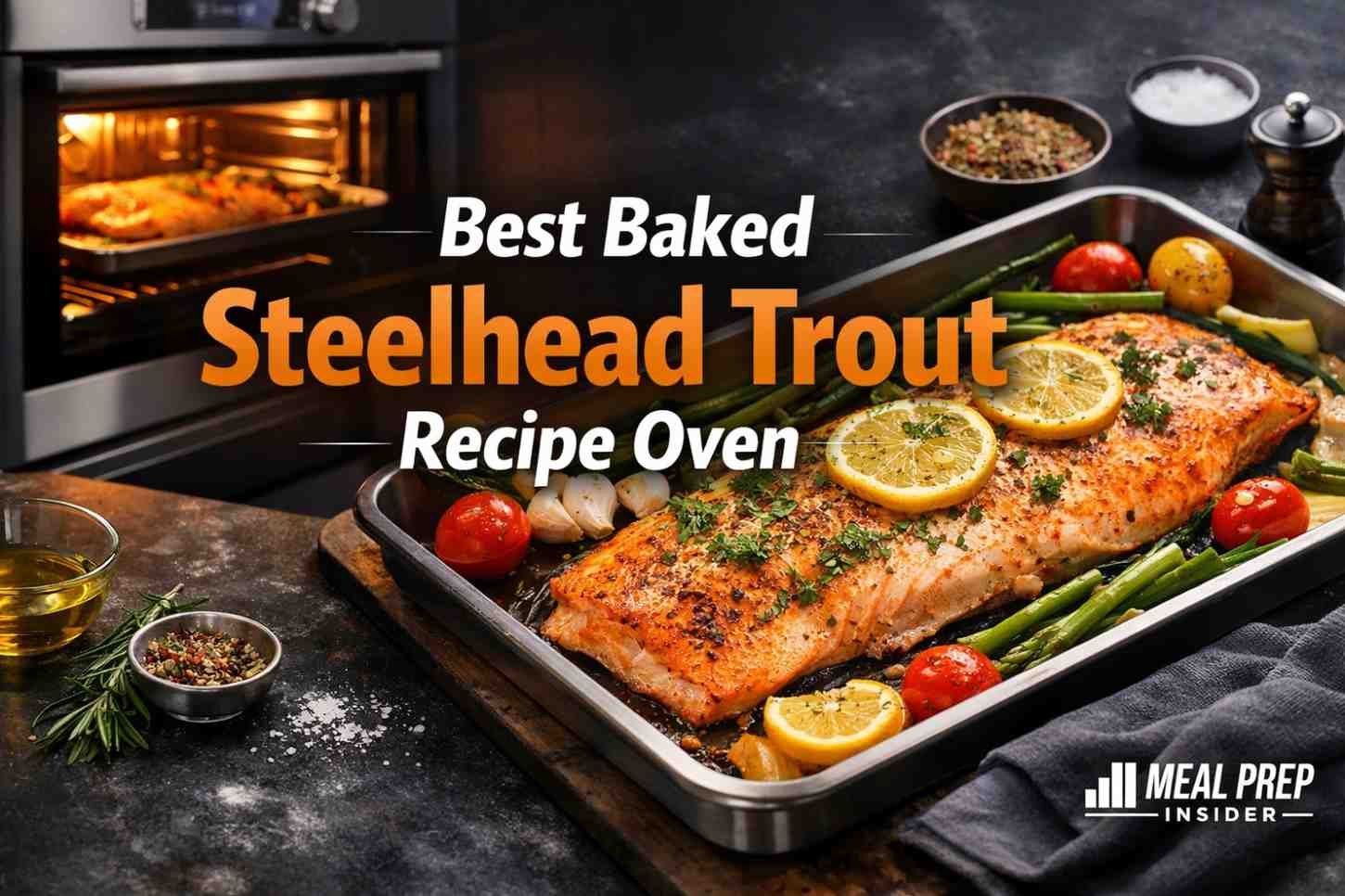
Easy baked steelhead trout recipe with garlic, lemon, and fresh herbs. Flaky, tender, and ready in under 30 minutes – a healthy, high-protein dinner perfect for busy weeknights in the USA. Simple ingredients, bold flavor, and a foolproof method the whole family will love.
What Even Is Steelhead Trout?
A lot of people walk right past it at the fish counter. They see the salmon, grab it, and go. But steelhead trout deserves way more attention than it gets.
Steelhead trout is a sea-run rainbow trout. It migrates from freshwater to the ocean and back, which gives it a richer, slightly more complex flavor than your average rainbow trout. The flesh is pink-orange, the texture is firm but tender, and the taste sits somewhere between salmon and trout — closer to salmon, if you’re asking most people.
In the United States, you’ll find steelhead trout widely available at stores like Whole Foods, Costco, Trader Joe’s, and most local seafood markets. It’s often cheaper than Atlantic salmon, which is honestly a win.
It’s not just affordable. It’s genuinely good. And baking it in the oven is one of the best things you can do with it.
Why Bake It?
You can pan-sear it. You can grill it. You can poach it, smoke it, or wrap it in foil and throw it over a campfire.
But baking hits different.
The oven gives you control. Heat distributes evenly, the fish doesn’t dry out as fast, and you can build flavors on top of the fillet without worrying about them burning off. You also don’t have to stand over a stove watching it every second.
It’s low-effort, high-reward. That’s the best kind of cooking.
Choosing the Right Fillet
Before you even think about the oven, you need a good piece of fish. This step matters more than most people think.
Here’s what to look for:
- Color: Deep pink-orange. Not pale, not grey around the edges.
- Smell: Fresh, clean, slightly oceanic. If it smells strong or sour, walk away.
- Texture: Firm to the touch. It should spring back slightly when you press it.
- Skin: Intact and shiny. Not slimy or falling off.
- Thickness: Aim for fillets around 1 to 1.5 inches thick for even baking. Thinner pieces cook too fast and dry out.
Wild-caught is ideal if the budget allows. Farm-raised steelhead trout is still excellent, though — many farms in the Pacific Northwest produce very high-quality fish. Oregon and Idaho are notable sources.
If you’re buying a whole fillet (which often comes skin-on as one large slab), you can cut it into individual portions yourself. About 6–8 ounces per person is a solid serving.
The Core Recipe
This is a clean, classic baked steelhead trout recipe. Nothing pretentious. Everything serves a purpose.
Servings: 4 Prep Time: 10 minutes Cook Time: 15–18 minutes Total Time: ~30 minutes
Ingredients
| Item | Amount |
|---|---|
| Steelhead trout fillet | 1.5–2 lbs (skin-on) |
| Olive oil | 2 tablespoons |
| Garlic (minced) | 3 cloves |
| Lemon (juice + zest) | 1 large |
| Dijon mustard | 1 teaspoon |
| Honey | 1 teaspoon |
| Fresh dill | 2 tablespoons, chopped |
| Fresh parsley | 2 tablespoons, chopped |
| Salt | 1 teaspoon (or to taste) |
| Black pepper | ½ teaspoon |
| Lemon slices | For topping |
| Capers (optional) | 1 tablespoon |
Equipment You’ll Need
- Baking sheet or oven-safe dish
- Aluminum foil or parchment paper
- Small mixing bowl
- Fish spatula (for serving)
- Instant-read thermometer (optional but helpful)
Instructions
Step 1: Preheat the oven. Set it to 400°F. This temperature is the sweet spot for baking fish. Hot enough to cook through quickly, not so hot that the outside overcooks before the inside is done.
Step 2: Prep your pan. Line a baking sheet with foil or parchment. Lightly oil it. If you’re using foil, this keeps the fish from sticking. If you want the skin crispy, foil works better than parchment.
Step 3: Make the glaze. In a small bowl, mix together olive oil, minced garlic, lemon juice, lemon zest, Dijon mustard, and honey. Stir until combined. This is your flavor base. The mustard adds a mild sharpness that cuts through the richness of the fish. The honey balances it. The lemon brightens everything.
Step 4: Season the fish. Pat the fillet dry with paper towels. This is important. Moisture on the surface will steam the fish instead of baking it, and you’ll miss out on that slight caramelization on top. Season both sides generously with salt and pepper.
Step 5: Apply the glaze. Place the fillet skin-side down on your prepared pan. Spoon or brush the glaze over the entire surface. Don’t be shy. Layer the fresh dill and parsley on top, then lay a few lemon slices over the herbs. Scatter capers if using.
Step 6: Bake. Slide it into the oven. Bake for 15–18 minutes, depending on thickness. A 1-inch fillet typically hits done around 14–15 minutes. A thicker 1.5-inch piece may need the full 18.
Step 7: Check for doneness. The fish is done when it flakes easily with a fork at the thickest part. If you’re using a thermometer, the internal temperature should read 125–130°F for medium (slightly translucent in the center) or 145°F for fully cooked, which is the USDA recommendation. Most cooks prefer somewhere in between.
Step 8: Rest and serve. Let it sit for 2–3 minutes before cutting. Serve with extra lemon wedges on the side.
RELATED POST >> Best Shishito Pepper Recipe Worth Making Tonight
Common Mistakes (And How to Avoid Them)
People mess up fish more often than they admit. Here’s what goes wrong and how to fix it.
Overcooking. This is the number one issue. Fish goes from perfect to dry very fast. Start checking at the 12-minute mark if your fillet is on the thinner side. Pull it a touch before it looks totally done — residual heat finishes the job.
Skipping the pat dry. It seems like a small thing. It’s not. Wet surface = steam. Steam = pale, soft, slightly rubbery fish. Pat it dry. Every time.
Not seasoning enough. Fish need salt. Don’t be timid. Season properly and you’ll taste the difference.
Cold fish going straight into the oven. Take the fillet out of the fridge 15–20 minutes before cooking. Cold fish in a hot oven cooks unevenly. The outside overcooks before the thick center catches up.
Using a glass dish without adjusting the time. Glass retains heat differently than metal. If you’re using a glass baking dish, your fish may take a minute or two longer. Keep an eye on it.
Flavor Variations Worth Trying
The base recipe above is excellent on its own. But steelhead trout is flexible. It takes to different flavor profiles really well.
Garlic Butter Style: Skip the glaze entirely. Instead, melt 3 tablespoons of butter with 4 cloves of garlic, fresh thyme, and a pinch of red pepper flakes. Spoon it over the fillet before baking. This is rich, indulgent, and goes well with roasted potatoes or crusty bread.
Asian-Inspired Glaze Mix 2 tablespoons soy sauce, 1 tablespoon sesame oil, 1 tablespoon rice vinegar, 1 teaspoon ginger (fresh or paste), and 1 teaspoon brown sugar. Brush it on and bake. Garnish with sliced green onions and sesame seeds. Serve over jasmine rice.
Cajun Spiced Combine smoked paprika, garlic powder, onion powder, cayenne, dried thyme, and a little brown sugar. Rub it all over the fish. Bake without the glaze. The dry rub forms a slightly crusted, spiced surface that’s great with coleslaw or corn on the side.
Pesto-Crusted Spread: a generous layer of store-bought or homemade basil pesto over the fillet. Top with a thin layer of breadcrumbs mixed with parmesan. Bake until the crust turns golden. It adds texture and a herby, nutty flavor that works surprisingly well with the richness of the fish.
Miso Glazed Whisk 2 tablespoons white miso, 1 tablespoon mirin, 1 tablespoon sake (or dry sherry), and 1 teaspoon sugar. Spread it over the fillet. Let it sit for 10 minutes before baking. The miso caramelizes in the oven, creating a slightly sweet, deeply savory crust.
What to Serve With Baked Steelhead Trout
The fish does a lot of the work. Sides just need to complement it, not compete with it.
Vegetables:
- Roasted asparagus with lemon and olive oil
- Steamed broccolini with garlic
- Sautéed spinach with a little butter
- Roasted cherry tomatoes
- Green beans with almonds
Starches:
- Lemon herb rice
- Creamy mashed potatoes
- Roasted baby potatoes
- Orzo with herbs and lemon
- Crusty French bread
Salads:
- Simple arugula salad with shaved parmesan and a lemon vinaigrette
- Cucumber and dill salad
- Tomato and red onion salad with balsamic
For a light weeknight dinner, baked trout + roasted asparagus + a green salad is genuinely hard to beat. Fast, fresh, and filling without being heavy.
Foil Packet Method (Alternative Approach)
Some cooks prefer baking their steelhead trout in a foil packet. It’s worth knowing about, especially if you want to lock in moisture.
Here’s how it works:
Lay a large piece of heavy-duty aluminum foil flat on a baking sheet. Place the fillet in the center. Add your seasoning, glaze, herbs, and a few thin slices of lemon on top. Fold the foil up over the fish, sealing the edges tightly to create a sealed packet. Bake at 400°F for 18–20 minutes.
The sealed environment traps steam. The fish essentially steams inside the packet, which keeps it extremely moist. You won’t get caramelization on the surface, but the texture is silky and tender.
It’s great for thinner fillets that might dry out quickly. Also excellent if you’re cooking for a crowd and need things to stay warm — sealed packets hold heat well.
Skin On vs. Skin Off
A frequently asked question. Let’s settle it.
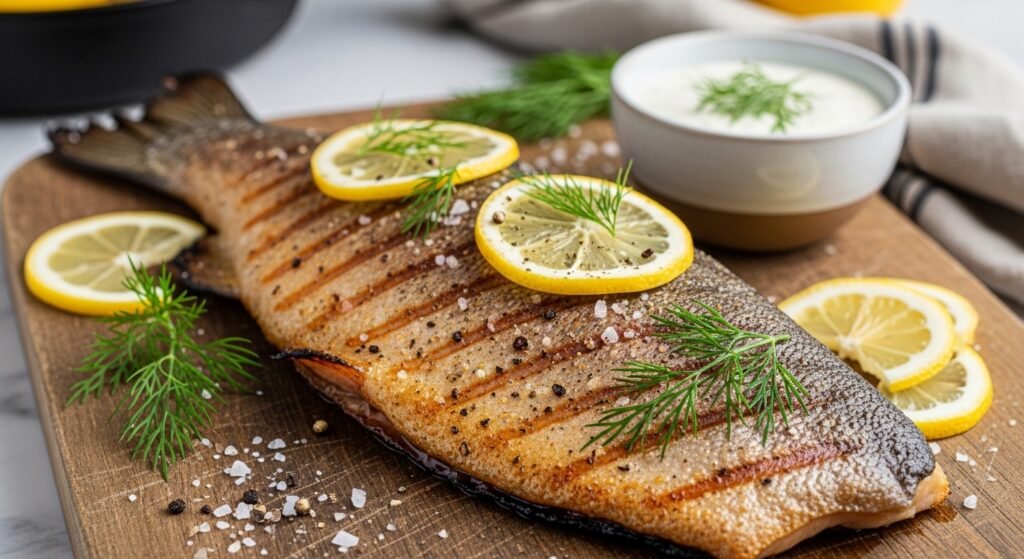
Baking with the skin on is almost always better. The skin protects the delicate flesh from the direct heat of the pan. It keeps the bottom moist. When you’re done, the skin peels off cleanly if you don’t want to eat it — or you can eat it, because baked fish skin with a little salt is legitimately good.
If you want crispy skin, don’t use parchment. Use a lightly coated foil, skin-side down, and don’t cover the fish. The skin in contact with the hot pan will crisp up nicely.
If the skin really bothers you, ask the fishmonger to remove it. But try it skin-on at least once. You might be surprised.
Storage and Leftovers
Leftover baked steelhead trout is useful. Don’t throw it away.
Storage: Let it cool completely. Store in an airtight container in the refrigerator for up to 3 days.
Reheating: The oven is your best bet. Place the fish in an oven-safe dish, cover loosely with foil, and warm at 275°F for about 10–15 minutes. Low and slow prevents it from drying out. Microwaving works in a pinch, but the texture suffers, and the smell is strong.
Leftover uses:
- Flake it into a grain bowl with roasted vegetables and tahini dressing
- Mix into scrambled eggs or an omelet the next morning
- Fold into pasta with lemon, capers, and olive oil
- Use as a topping for a green salad with avocado
- Mash with cream cheese and herbs for a quick fish spread on crackers
Cold leftover trout in a salad is underrated, honestly. It holds up well, and the flavor is actually better the next day once the herbs have settled in.
Nutrition Overview
Steelhead trout is one of the more nutritious fish you can put on the table. Here’s a general breakdown per 6-ounce cooked serving:
| Nutrient | Approximate Amount |
|---|---|
| Calories | 280–320 kcal |
| Protein | 34–38g |
| Total Fat | 12–16g |
| Omega-3 Fatty Acids | 1,500–2,500mg |
| Vitamin D | ~80% of daily value |
| Vitamin B12 | ~120% of daily value |
| Selenium | ~75% of daily value |
| Sodium | Varies by seasoning |
The omega-3 content is comparable to that of salmon. Steelhead trout is also lower in mercury than many other fish, which makes it a solid choice for regular consumption. The American Heart Association recommends eating fatty fish like steelhead trout at least twice a week for cardiovascular health.
It’s protein-dense, satisfying, and genuinely good for you. That combination isn’t as common as you’d think.
Buying Guide for the US Market
Steelhead trout is widely available across the country, but there are a few things worth knowing before you buy.
Fresh vs. frozen: Fresh is ideal if you’re near a coast or a well-stocked seafood counter. Frozen works perfectly well — in fact, much frozen fish is flash-frozen shortly after catch, which locks in quality. Thaw it in the refrigerator overnight. Never thaw in hot water.
Where to find it:
- Costco often carries large, skin-on steelhead fillets at very competitive prices
- Whole Foods and specialty markets typically have fresh fillets
- Walmart and Kroger carry it, depending on location
- Online sources like Vital Choice or local community-supported fisheries (CSFs) are excellent for quality fish delivered to your door
Price: Expect to pay roughly $10–$16 per pound for fresh steelhead trout, depending on location and source. Farm-raised tends to be slightly less expensive than wild-caught.
Seasonal note: Wild steelhead runs in the Pacific Northwest peak in late fall through winter. That’s when wild-caught steelhead is at its freshest and often most affordable in the western states.
Baked Steelhead Trout Recipe: Frequently Asked Questions
How long do you bake steelhead trout at 400°F? For a standard fillet about 1 to 1.5 inches thick, bake at 400°F for 15 to 18 minutes. Start checking at 12 minutes if the piece is thinner. The fish is done when it flakes easily with a fork, and the internal temperature reaches 125–145°F, depending on your preference.
Is steelhead trout the same as salmon? No, though they’re closely related and look similar. Steelhead trout is a sea-run rainbow trout (Oncorhynchus mykiss), while Atlantic and Pacific salmon are different species. The flavor profile is similar — pink flesh, rich taste, high fat content — but steelhead tends to be slightly milder and less oily than salmon.
Can I bake frozen steelhead trout without thawing? You can, though the results aren’t as good. If you bake from frozen, add about 10–12 extra minutes to the cook time and check the internal temperature carefully. Thawing overnight in the fridge first gives you better texture and more even cooking.
What temperature should steelhead trout be cooked to? The USDA recommends 145°F for fish. Many cooks prefer 125–130°F for a slightly translucent, more silky texture in the center. If you’re cooking for pregnant women, young children, elderly individuals, or anyone immunocompromised, stick to 145°F.
Do I need to scale steelhead trout before baking? Store-bought fillets are almost always already scaled. If you’re working with a whole fish from a fishmonger or caught yourself, you’ll want to scale it. For a fillet, check by running your finger along the skin — you’ll feel scales immediately if they’re present.
Can I use steelhead trout in recipes that call for salmon? Yes. Steelhead trout substitutes for salmon in almost any recipe. The fat content and texture are comparable, so cooking times usually stay the same. The flavor is slightly milder, which some people actually prefer.
Why does my baked fish come out dry? Usually overcooking. Fish cooks faster than most people expect. Also, check that your oven temperature is accurate — many ovens run hot. A thermometer is helpful. Keeping the skin on and using a glaze both help retain moisture.
How do I know if steelhead trout has gone bad? A strong, sour, or ammonia-like smell is a clear sign. The flesh should be firm and bounce back when pressed — if it’s mushy or leaves an indent, skip it. Discoloration around the edges (grey or brown instead of pink-orange) is another warning sign.
Baked steelhead trout in the oven doesn’t need to be complicated. Good fish, a solid glaze, the right temperature, and a little patience. That’s all it takes to put something genuinely impressive on the table without spending your whole evening in the kitchen.
It’s the kind of dish that works on a Tuesday night and impresses guests on Saturday. Not many recipes can say that.
SUGGESTED POST >> What Containers Are Best for Meal Prep? Top 5 Ranked Now