What Containers Are Best for Meal Prep?: Not sure which containers to use for meal prep? This guide breaks down the best options by material, size, and use case — so your food stays fresh and your fridge stays organized. Written for real American kitchens.
What Containers Are Best for Meal Prep?
You spent two hours cooking on Sunday. Chicken thighs, roasted veggies, and a big batch of rice. Everything smells good. Then you reach for whatever containers are nearby — mismatched lids, flimsy plastic, a bowl covered in cling wrap — and suddenly the whole effort feels a little less worth it.
The container matters more than most people think. It affects how long food stays fresh, whether you can reheat straight from the fridge, and, honestly, whether you’ll actually stick to meal prepping at all.
This guide covers everything: materials, sizes, what to buy, and what to skip.
Why Your Container Choice Actually Matters
Here’s the thing, people don’t say enough — a bad container can ruin good food.
Moisture builds up inside cheap plastic, making your crispy, roasted potatoes soggy by Tuesday. Containers that don’t seal properly let odors transfer. Some plastics retain stains and odors after just one use with tomato sauce. And if you can’t microwave or freeze your container, you’re adding extra steps every single time you eat.
Good containers make the process smoother. That’s the whole point.
They also affect food safety. Containers that aren’t airtight or that develop cracks over time can harbor bacteria. That’s not a scare tactic — it’s just practical.
The Main Container Materials, Compared
There are four materials most people choose between: glass, plastic, stainless steel, and silicone. Each has its place. None is perfect for every situation.
Glass
Glass is the most popular choice among serious meal preppers in the U.S., and it’s not hard to see why. It doesn’t absorb smells or stains. You can put it in the microwave, the oven (if it’s oven-safe), the dishwasher, and the freezer. It feels substantial in a way cheap plastic never does.
The downside is obvious. Glass is heavy. If you’re packing lunch to take to work every day, carrying two or three glass containers adds up fast. It can also break if you drop it — and it will fall eventually.
Glass is best for: home use, reheating in the microwave or oven, and people who hate plastic smells.
Plastic
Plastic gets a bad reputation, some of it deserved. But not all plastic is equal. Containers labeled BPA-free and made from polypropylene (usually marked with a #5 on the bottom) are considered safe for food storage and microwave use.
The appeal is obvious: plastic is lightweight, cheap, and widely available. A set of 20 containers from a big-box store costs less than a single high-end glass container. For people who are meal prepping for the first time or aren’t sure they’ll stick with it, plastic is a low-risk starting point.
The issues: plastic can warp over time, especially in the dishwasher or microwave. It scratches, and those scratches can harbor bacteria. Some plastics stain from turmeric, tomato, and other bold ingredients. And if you buy cheap plastic, the lids start fitting poorly pretty quickly.
Plastic is best for portable meals, large batch storage, and people on a budget.
Stainless Steel
Stainless steel containers are durable, don’t absorb odors, and look sleek. They’re a solid choice if you’re focused on going plastic-free but find glass too heavy for daily use.
The limitation is microwave use — you simply can’t microwave metal. So if you’re reheating at work where a microwave is your only option, stainless steel becomes inconvenient. You’d need to transfer your food to another dish, which eliminates one of the main conveniences of meal prepping.
Stainless steel is best for cold foods, snacks, salads, and anyone who wants to go plastic-free and doesn’t need to microwave at work.
Silicone
Silicone bags and containers have grown in popularity as plastic-free alternatives, especially for snacks, sauces, and marinating proteins. They’re lightweight and flexible, and most are dishwasher-, microwave-, and freezer-safe.
They’re not the ideal choice for full meals because they don’t stack well and can be harder to portion out, but for specific use cases — storing smoothie packets in the freezer, carrying dressings separately, or keeping cut fruit — silicone works great.
Silicone is best for: snacks, sauces, freezer prep, and specific supplementary storage needs.
Container Shapes and Sizes: What Do You Actually Need?
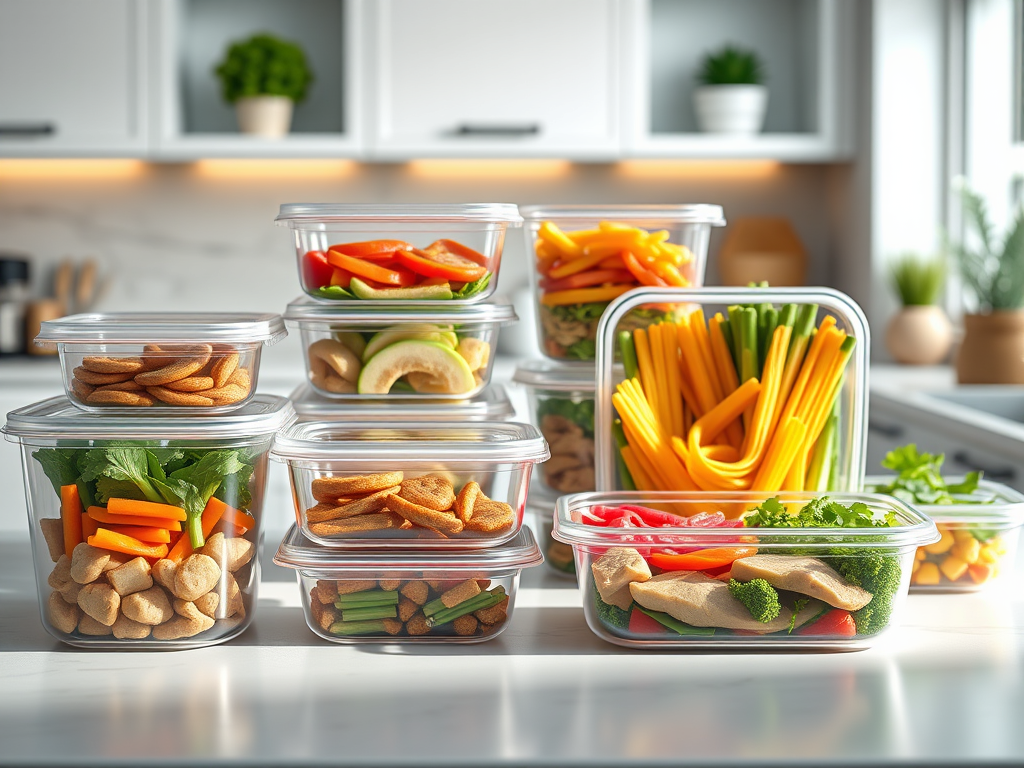
Most people buy a random set and then complain that the sizes never work for them. Here’s a more practical breakdown.
| Container Size | Best For |
|---|---|
| 1–2 cups | Snacks, dressings, sauces, dips |
| 3–4 cups | Single-serving meals (salads, grains, proteins) |
| 5–6 cups | Larger single portions or two-meal storage |
| 7–10 cups | Family-sized portions, batch storage |
| Rectangular/flat | Stacking in the fridge, layered salads |
| Round | Soups, stews, oatmeal |
| Divided containers | Bento-style, kids’ lunches, keeping foods separate |
The shape matters for fridge organization. Rectangular containers stack neatly and use space efficiently. Round containers waste corner space. If your fridge is already tight, go rectangular.
For most individuals doing weekly meal prep, a combination of 3-4 cup and 5-6 cup rectangular containers covers most meals. Add a few small containers for dressings and snacks, and you’re set.
The Best Meal Prep Containers in the U.S. Market
These are consistently recommended and widely available. No fluff — just what’s worth your money.
Pyrex Simply Store (Glass)
Pyrex has been around long enough that it barely needs an introduction. These containers are oven-safe up to 425°F, microwave-safe, dishwasher-safe, and freezer-safe. The lids are plastic and shouldn’t go in the oven, but the glass bases are workhorses.
They’re available at Walmart, Target, Amazon, and most grocery stores. A 10-piece set typically runs $25–$35. The lids can warp over time with heavy dishwasher use, so handwashing them extends their life.
Best for: home reheating, batch cooking, and everyday meal prep.
RELATED POST >> Does Meal Prep Help You Lose Weight? New Shocking Facts
Rubbermaid Brilliance (Plastic)
This is one of the most popular meal prep container sets in America, and the reputation holds up. The lids lock on all four sides and create a genuinely airtight seal. They’re clear, so you can see the contents without opening them. They’re BPA-free, microwave-safe, dishwasher-safe, and stain-resistant — more so than most plastic options.
The caveat: they’re on the pricier side for plastic, usually $30–$50 for a full set. But they last significantly longer than cheap plastic, which makes the math work out.
Best for: people who want the convenience of plastic but with better durability and sealing.
PrepNaturals Glass Containers
A newer brand that’s become popular on social media for good reason. They come in multiple sizes, have snap-lock lids, and the glass is borosilicate, which handles temperature changes better than standard glass. Good for going from freezer to oven without a separate thawing step.
Best for: meal preppers who want premium glass containers with a modern look.
LunchBots (Stainless Steel)
Popular with parents and people who want to avoid plastic entirely. The 5-compartment stainless steel bento containers are a favorite for kids’ lunches and office bento-style meals. No microwave use, but they’re extremely durable and come with a lifetime guarantee.
Best for: school lunches, cold meals, plastic-free households.
Stasher Bags (Silicone)
Stasher has become the go-to silicone bag brand in the U.S. They’re made from platinum-grade food-safe silicone, are completely plastic-free, and can go in the microwave, dishwasher, and even sous vide baths. They seal well and come in several sizes.
They’re expensive upfront — a single bag can cost $10–$15 —, but they replace hundreds of single-use zip-lock bags over time.
Best for: freezer prep, smoothie packs, marinating proteins, and sauces.
Airtight Seals: Why This Is Non-Negotiable
If the lid doesn’t seal properly, you’ll have leaks in your bag and dried-out food in the fridge.
Airtight lids do two things: they lock moisture in (keeping food from drying out) and keep outside air from degrading the food faster. For salads, this matters a lot. For grains and proteins, it matters too — but maybe slightly less dramatically.
Look for containers with silicone gaskets or rubber seals around the lid. Snap-lock mechanisms on all four sides are also more reliable than simple press-on lids.
A quick test: fill the container with water, snap the lid, flip it upside down. If it leaks, skip it.
Microwave Safety: What You Need to Know
Not all “microwave-safe” labels mean the same thing.
For plastic: BPA-free and microwave-safe means the container won’t leach the most concerning chemicals into your food under normal use. But plastics can still leach other chemicals at high heat, especially if they’re old, scratched, or warped. A safer habit is to transfer food to a glass or ceramic dish when reheating, even if the container is labeled microwave-safe.
For glass: Most glass containers are microwave-safe, but avoid those that have metal components in the lid. Always check the manufacturer’s guidance. Borosilicate glass handles rapid temperature changes better than tempered soda-lime glass.
For stainless steel: Never. Not even a little bit.
For silicone: Most food-grade silicone is microwave-safe, but verify with the specific brand.
Freezer Prep Considerations
Meal prep isn’t always about this week’s lunches. A lot of people cook in large batches and freeze portions for later. That changes the container requirements slightly.
For freezer use:
- Leave headspace (about an inch) in any container with liquid. Liquids expand when they freeze and will crack glass or warp plastic if the container is overfull.
- Borosilicate glass handles freezer-to-oven transitions better than standard glass. Standard glass can crack when moved from cold to sudden heat.
- Freezer-safe labels on plastic containers indicate they’re designed to withstand cold temperatures without becoming brittle.
- Silicone bags are ideal for freezer prep — they lay flat, stack well, and take up minimal space.
- Label everything. Seriously. Everything looks the same after a month in the freezer.
Organizing Your Fridge with Meal Prep Containers
This part often gets overlooked, but it matters for actually sticking to your meal prep routine.
A fridge that looks chaotic makes you less likely to eat what you prepped. It sounds psychological, and it is —, but it’s also just practical. If you can’t easily see or access your containers, you’ll reach for whatever’s easiest instead.
A few practical tips:
- Use uniform containers when possible. Matching sizes and shapes stack cleanly and make better use of fridge space.
- Place ready-to-eat meals at eye level. What you see first is what you eat first.
- Use clear containers so you don’t have to open everything to figure out what’s inside.
- Group by meal type (breakfast on one shelf, lunches on another) rather than mixing everything together.
- Eat oldest preps first — push newer containers to the back when you add them.
How Long Does Meal-Prepped Food Actually Last?
The container helps, but food still has limits.
| Food Type | Fridge (Days) | Freezer (Months) |
|---|---|---|
| Cooked chicken/turkey | 3–4 | 3–4 |
| Cooked beef or pork | 3–4 | 2–3 |
| Cooked grains (rice, quinoa) | 4–6 | 3 |
| Roasted vegetables | 3–5 | 2–3 |
| Leafy salads (undressed) | 3–5 | Not recommended |
| Soups and stews | 3–4 | 4–6 |
| Hard-boiled eggs | 1 week (in shell) | Not recommended |
| Overnight oats | 4–5 | 3 |
An airtight container extends freshness toward the upper end of these ranges. A loose-fitting lid shortens it.
Common Mistakes People Make with Meal Prep Containers
Buying too many sizes. Most people use two or three sizes regularly, and the rest collect dust. Start small, figure out what you actually need, then add more.
Choosing style over function. Those aesthetically perfect, matching glass containers with bamboo lids look incredible on Instagram. They’re also often not microwave-safe, and the lids aren’t truly airtight. Pretty isn’t always practical.
Not replacing worn plastic. Scratched, warped, or stained plastic containers should be replaced. They’re harder to clean thoroughly and may no longer seal properly.
Skipping the label step. Even with clear containers, labels help. Date your containers. Especially for the freezer.
Overpacking. Stuffing too much food into a container compresses everything together and can affect the seal. Leave a little breathing room.
Sustainability: What’s the Most Eco-Friendly Option?
This comes up more and more in American households, and it’s worth addressing directly.
The most eco-friendly container is the one you actually use for years. A cheap plastic set replaced every 6 months has a greater environmental impact than a more expensive option that lasts a decade.
Glass and stainless steel have longer lifespans and don’t degrade like plastic. Silicone, while not biodegradable, is long-lasting and a replacement for single-use plastics.
If you’re currently using single-use plastic bags or plastic wrap for meal prep, switching to reusable containers of any kind — even budget plastic — is a meaningful improvement.
What to Buy Based on Your Situation
You’re just starting out and aren’t sure you’ll stick with it: Go with a mid-range BPA-free plastic set. Rubbermaid Brilliance or a similar snap-lock set. Spend under $40, learn what sizes you actually use, and upgrade from there.
You mostly eat at home and reheat everything: Glass all the way. Pyrex or PrepNaturals. Invest in a good set, and it’ll last years.
You pack lunch to work and microwave it there: Lightweight plastic or glass, depending on how heavy a bag you’re willing to carry. If weight matters, go plastic. If you care about avoiding plastic in the microwave, glass is worth the extra weight.
You batch-cook and freeze large portions: glass containers (borosilicate, if budget allows) for oven-to-table meals. Silicone bags for soups, sauces, smoothie packs, and anything you want to store flat.
You’re plastic-free or trying to be: Glass for meals, stainless steel for on-the-go, silicone bags for everything else.
FAQs
Q: Are glass meal prep containers actually better than plastic? Glass is generally preferred for home use because it doesn’t stain, absorb odors, or leach chemicals over time. It’s also more durable in the long run. But it’s heavier and breaks if dropped, so plastic still has a place — especially for portability.
Q: How many meal prep containers do I actually need? For one person doing weekly meal prep, 6–10 containers in two or three sizes cover most situations. You don’t need 20 containers unless you’re prepping for a whole family.
Q: Can I freeze food in glass containers? Yes, but leave headspace (about an inch) and let hot food cool to room temperature before freezing. Borosilicate glass handles temperature changes better than standard tempered glass.
Q: What does BPA-free mean, and is it actually safe? BPA (bisphenol A) is a chemical previously used in many plastics that has been linked to health concerns. BPA-free means the container doesn’t use that specific chemical. Most modern food containers are BPA-free, but some researchers note that replacement chemicals (BPS, BPF) may have similar concerns. When in doubt, transferring food to a glass for reheating is a practical habit.
Q: How do I get rid of stains and smells in plastic containers? For tomato stains, soak in a diluted bleach solution (1 tablespoon per cup of water) for 30 minutes, then wash thoroughly. For odors, fill with a baking-soda-and-water paste, let sit overnight, then rinse. Placing clean containers in direct sunlight for a few hours can also help with both stains and odors.
Q: Are silicone bags worth the cost? If you buy a lot of single-use zip-lock bags or plastic wrap, yes. Silicone bags are expensive upfront — $10 to $15 each — but they last for years with proper care and replace hundreds of disposable bags. For freezer prep in particular, they’re one of the more practical investments.
Q: What containers are best for salads specifically? Large rectangular glass or BPA-free plastic containers with airtight lids work best. The key is to keep the dressing separate (use a small 1–2 cup container) and store heartier toppings like croutons separately, so they don’t go soggy. Some people layer salads with heavier ingredients at the bottom and greens on top.
Q: Can I put hot food directly into glass containers? You can, but it’s better to let food cool slightly first — especially with standard tempered glass. Sudden extreme temperature changes can cause thermal shock and crack the glass. Borosilicate glass is more resistant to thermal shock.
SUGGESTED POST >> How Much Does Meal Prep Cost Per Week? Numbers Don’t Lie