
Okinawa Blue Zone recipes come from one of the most remarkable places on Earth, where people routinely blow out 100 candles on their birthday cakes. And they’re not just surviving. They’re thriving.
These folks in Okinawa, Japan, wake up without alarm clocks, tend their gardens until they’re well past retirement age, and maintain social circles that would make a 30-year-old jealous. Their secret? It’s not some expensive supplement or trendy workout program. It’s what they eat.
The food in Okinawa doesn’t look like much at first glance. No fancy presentations. No exotic ingredients you need to order from specialty stores. Just simple, honest food that’s been keeping people healthy for generations.
Here’s what gets interesting: Scientists have studied these people for decades, trying to crack the code. They’ve measured their blood pressure, analyzed their genetics, and documented their lifestyles. The conclusion? Diet plays a massive role in their longevity.
And before you assume you’ll need to give up everything you love, hold that thought. These recipes are surprisingly easy to adapt to American kitchens. Most ingredients are sitting in your local grocery store right now.
What Makes Okinawa a Blue Zone Worth Studying
Blue Zones are regions where people live significantly longer than average. Dan Buettner identified five of them worldwide, and Okinawa stands out for several reasons.
The Okinawan diet consists of about 90% plant-based foods. They eat sweet potatoes like Americans eat bread. Purple sweet potatoes, specifically, are packed with antioxidants that make blueberries look ordinary.
Their protein sources? Mostly tofu, fish, and occasional pork. But here’s the kicker: portion sizes are small. They practice something called “hara hachi bu,” which means eating until you’re 80% full. Revolutionary, right?
The traditional Okinawan diet breaks down like this:
| Food Category | Percentage of Diet |
|---|---|
| Sweet Potatoes | 67% |
| Rice | 12% |
| Grains | 7% |
| Legumes (mostly soy) | 6% |
| Vegetables | 3% |
| Fish | 2% |
| Meat | 1% |
| Other | 2% |
They’re not counting calories or following Instagram influencers. They’re eating what grows locally, what their grandparents ate, and what keeps them moving through their 90s.
The Core Principles Behind These Longevity-Boosting Meals
Understanding why these recipes work matters more than just following them blindly.
First up: Whole Foods. Nothing processed. Nothing wrapped in seventeen layers of plastic. If it grows from the ground or swims in the ocean, it’s fair game.
Second: variety in moderation. They eat many different foods, but not massive portions of any single thing. This keeps their nutrient intake diverse without overloading their digestive systems.
Third: preparation methods matter. Steaming, simmering, and light stir-frying dominate their cooking techniques. Deep-fried foods? Rare treats, not daily occurrences.
Fourth: fermented foods appear regularly. Miso, pickled vegetables, and fermented tofu provide probiotics that support gut health. Americans are just now catching onto what Okinawans have known for centuries.
Recipe 1: Classic Purple Sweet Potato Mash
This dish forms the backbone of traditional Okinawan cuisine.
Ingredients:
- 4 medium purple sweet potatoes
- 2 tablespoons sesame oil
- 1 teaspoon sea salt
- 1 tablespoon black sesame seeds
Wash your sweet potatoes thoroughly. Steam them until fork-tender, about 25 minutes. Peel while still warm. Mash with sesame oil and salt until smooth. Sprinkle black sesame seeds on top.
That’s it. Seriously.
The purple variety contains anthocyanins, powerful antioxidants that give them their distinctive color. Regular orange sweet potatoes work too, but you’ll miss out on those extra compounds.
Serve this as a side dish with practically anything. It’s filling, nutritious, and oddly comforting.
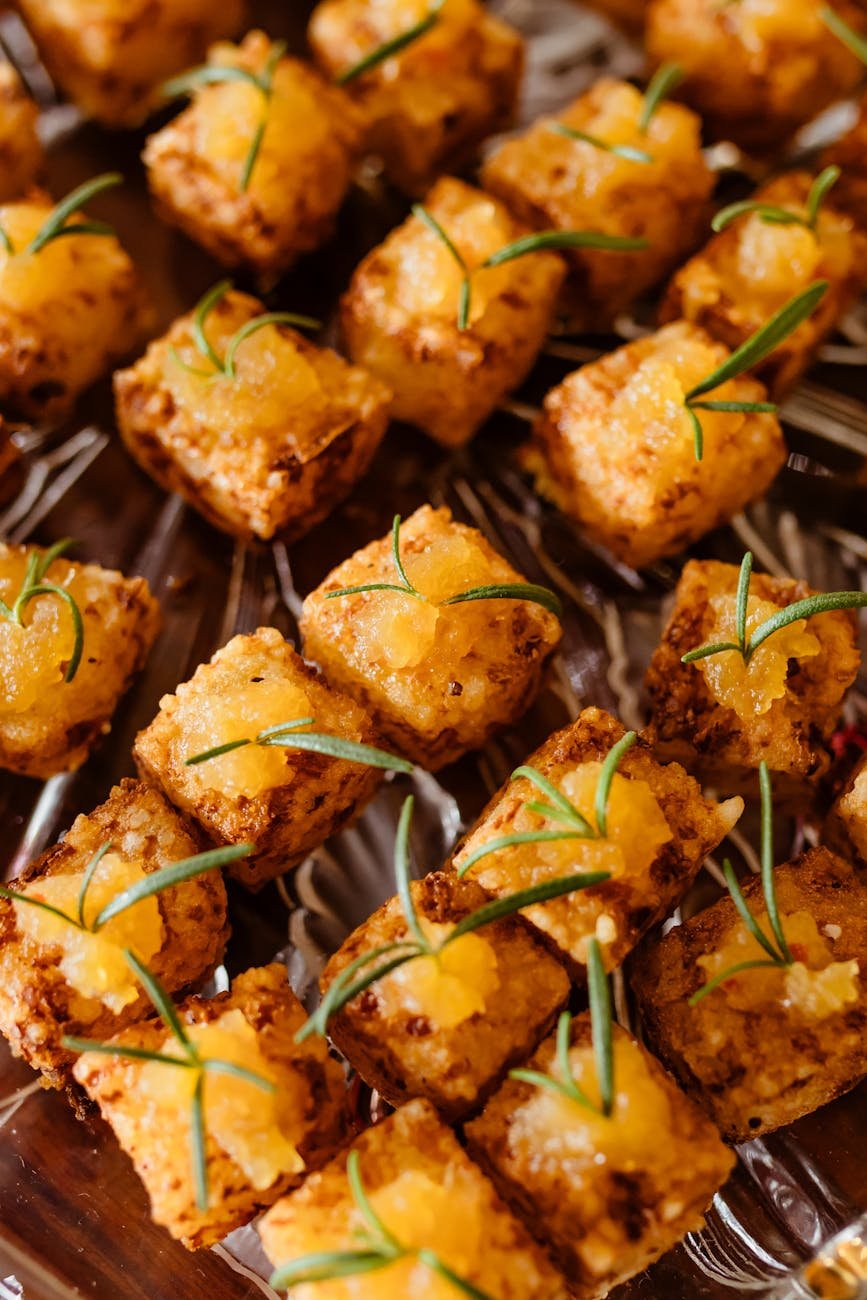
Recipe 2: Goya Champuru (Bitter Melon Stir-Fry)
Goya champuru represents Okinawa in a single pan. It’s the dish locals grow up eating and never tire of.
Ingredients:
- 1 medium bitter melon
- 1 block firm tofu (14 oz)
- 2 eggs
- 1 small onion, sliced
- 2 tablespoons soy sauce
- 1 tablespoon canola oil
- Bonito flakes for garnish
Slice the bitter melon in half lengthwise. Scoop out seeds. Cut into thin half-moons. Soak in salted water for 10 minutes to reduce bitterness. Press tofu to remove excess water, then crumble.
Heat oil in a large skillet. Stir-fry the onion until translucent. Add drained bitter melon, cooking for 3 minutes. Toss in crumbled tofu. Pour in soy sauce. Push everything to the side, scramble eggs in the space, then mix. Top with bonito flakes.
Bitter melon lives up to its name. But that bitterness contains compounds that may help regulate blood sugar. Acquired taste? Absolutely. Worth acquiring? The Okinawans would say yes.
Recipe 3: Simple Miso Soup with Wakame
Miso soup appears at nearly every Okinawan meal. Breakfast, lunch, dinner—it doesn’t matter.
Ingredients:
- 4 cups dashi broth (or vegetable broth)
- 3 tablespoons white miso paste
- 2 tablespoons dried wakame seaweed
- 1/2 block silken tofu, cubed
- 2 green onions, chopped
Heat broth until steaming but not boiling. Remove from heat. Whisk in miso paste until dissolved. Add wakame, tofu, and green onions. Let’s sit for 2 minutes.
Never boil miso. Boiling kills the beneficial probiotics that make it valuable. This isn’t just old wives’ tales—it’s science.
Wakame provides iodine and minerals that most Americans don’t get enough of. The tofu adds protein without the heaviness of meat. And the whole thing takes seven minutes to make.
Recipe 4: Okinawan Soba Noodles
These aren’t your typical Japanese soba noodles. Okinawan soba uses wheat noodles, confusingly enough.
Ingredients:
- 8 oz Okinawan soba noodles (or udon)
- 4 cups pork bone broth (or chicken)
- 1/2 lb pork belly, boiled and sliced thin
- 2 green onions, chopped
- Pickled ginger
- Kamaboko (fish cake), optional
Boil noodles according to package directions. Heat broth separately. Place drained noodles in bowls. Pour hot broth over. Top with pork belly, green onions, pickled ginger, and fish cake.
The broth should be light but flavorful. Not the heavy, greasy ramen broths that have become trendy. This is meant to nourish, not overwhelm.
Recipe 5: Tofu Champuru
Another champuru variation, because Okinawans love their stir-fries.
Ingredients:
- 1 block firm tofu
- 2 cups mixed vegetables (carrots, cabbage, bean sprouts)
- 2 cloves garlic, minced
- 2 tablespoons soy sauce
- 1 tablespoon sesame oil
- 1 teaspoon ginger, grated
Press tofu, then cut into cubes. Pan-fry in sesame oil until golden. Remove and set aside. In the same pan, stir-fry garlic and ginger for 30 seconds. Add vegetables, cooking until just tender. Return tofu to the pan. Add soy sauce. Toss everything together.
Champuru means “something mixed” in the Okinawan dialect. It’s a cooking philosophy as much as a recipe. Use what you have. Don’t waste. Keep it simple.
Recipe 6: Hijiki Seaweed Salad
Seaweed appears constantly in Okinawan cooking. This salad is a staple side dish.
Ingredients:
- 1/2 cup dried hijiki seaweed
- 1 carrot, julienned
- 1/2 cup edamame
- 2 tablespoons rice vinegar
- 1 tablespoon soy sauce
- 1 teaspoon sugar
- 1 teaspoon sesame oil
Soak hijiki in water for 20 minutes. Drain and rinse. Blanch the carrot and edamame. Mix all vegetables. Whisk vinegar, soy sauce, sugar, and sesame oil. Pour over vegetables and toss.
Hijiki is crazy rich in iron and calcium. One serving provides more calcium than a glass of milk. Seaweed isn’t just for sushi anymore.
Recipe 7: Papaya Irichaa (Stir-Fried Papaya)
Green papaya, not ripe fruit. This threw me the first time, too.
Ingredients:
- 1 green papaya, shredded
- 3 oz canned tuna or spam (traditional)
- 1 small carrot, julienned
- 2 tablespoons soy sauce
- 1 tablespoon oil
- 1/2 teaspoon sugar
Peel and shred papaya. Heat oil in a pan. Add carrot, cooking for 2 minutes. Add papaya, stir-fry for 5 minutes. Mix in tuna or spam. Season with soy sauce and sugar. Cook until the papaya is tender but still has bite.
Green papaya contains enzymes that aid digestion. It’s crunchy, slightly sweet, and nothing like the fruit you slice up for breakfast.
Recipe 8: Juushii (Okinawan Rice)
This seasoned rice dish appears at celebrations and regular meals alike.
Ingredients:
- 2 cups short-grain rice
- 1/2 lb pork belly, diced
- 2 shiitake mushrooms, sliced
- 1/4 cup soy sauce
- 2 tablespoons sake
- 2 cups dashi broth
- 1 carrot, diced
Brown pork belly in a pot. Add mushrooms and carrot. Pour in soy sauce and sake. Add rinsed rice and dashi. Bring to a boil, then reduce to low heat. Cover and cook for 20 minutes. Let stand 10 minutes before serving.
The rice absorbs all the flavors from the pork and vegetables. It’s comfort food without the guilt.
Recipe 9: Taco Rice (Modern Okinawan Fusion)
American influence meets Okinawan sensibility. Born in a U.S. military base on the island.
Ingredients:
- 1 lb ground beef or turkey
- 1 packet taco seasoning (or make your own)
- 3 cups cooked white rice
- 1 tomato, diced
- Lettuce, shredded
- Shredded cheese
- Salsa
Brown meat with taco seasoning. Place rice in bowls. Top with seasoned meat, lettuce, tomato, cheese, and salsa.
This isn’t traditional by any means. But it shows how Okinawans adapt and adopt. They take outside influences and make them their own. The base is still rice, portions stay reasonable, and vegetables take center stage.
Recipe 10: Mozuku Seaweed with Vinegar
Mozuku is a type of seaweed that grows in Okinawan waters.
Ingredients:
- 7 oz fresh or packaged mozuku seaweed
- 3 tablespoons rice vinegar
- 1 tablespoon soy sauce
- 1/2 teaspoon sugar
- Sesame seeds
If using dried mozuku, rehydrate in water. Drain well. Mix vinegar, soy sauce, and sugar. Pour over seaweed. Garnish with sesame seeds. Serve chilled.
This is what Okinawans eat while Americans snack on chips. The health comparison speaks for itself. Mozuku contains fucoidan, a compound researchers are studying for its potential anti-cancer properties.
RELATED POST >> 19 Best Sardinia Blue Zone Recipes: Longevity Kitchen
Recipe 11: Nimame (Simmered Beans)
Legumes show up regularly in the Okinawan diet. This preparation is dead simple.
Ingredients:
- 2 cups cooked soybeans (or black beans)
- 1 cup dashi broth
- 3 tablespoons soy sauce
- 2 tablespoons sugar
- 1 tablespoon mirin
- 1 piece of kombu seaweed
Combine all ingredients in a pot. Bring to a boil, then reduce the heat. Simmer for 30 minutes until the liquid reduces and the beans are glazed. Remove kombu before serving.
These beans are sweet, savory, and incredibly addictive. They’re served cold or at room temperature, making them perfect for meal prep.
Recipe 12: Fu Champuru (Wheat Gluten Stir-Fry)
Fu is dried wheat gluten, spongy and mild. It soaks up flavors beautifully.
Ingredients:
- 2 oz dried fu, rehydrated
- 1 cup cabbage, chopped
- 1/2 carrot, julienned
- 2 eggs
- 2 tablespoons soy sauce
- 1 tablespoon oil
Soak fu in water until soft, then squeeze out excess water. Heat oil in a pan. Stir-fry vegetables until tender. Add fu and soy sauce. Push to the side, scramble eggs, then mix everything.
Fu provides protein without the saturated fat of meat. It’s an underutilized ingredient in Western cooking.
Recipe 13: Iri Unchi (Stir-Fried Vegetables)
Pure vegetables. No frills.
Ingredients:
- 2 cups mixed vegetables (daikon, carrot, burdock root, green beans)
- 1 tablespoon oil
- 2 tablespoons soy sauce
- 1 tablespoon mirin
- 1 teaspoon sesame seeds
Cut all vegetables into matchsticks. Heat oil in a pan. Stir-fry harder vegetables first, adding softer ones later. Season with soy sauce and mirin. Cook until tender-crisp. Sprinkle with sesame seeds.
Burdock root might be new to American cooks. It’s earthy, slightly sweet, and packed with fiber. Asian grocery stores carry it.
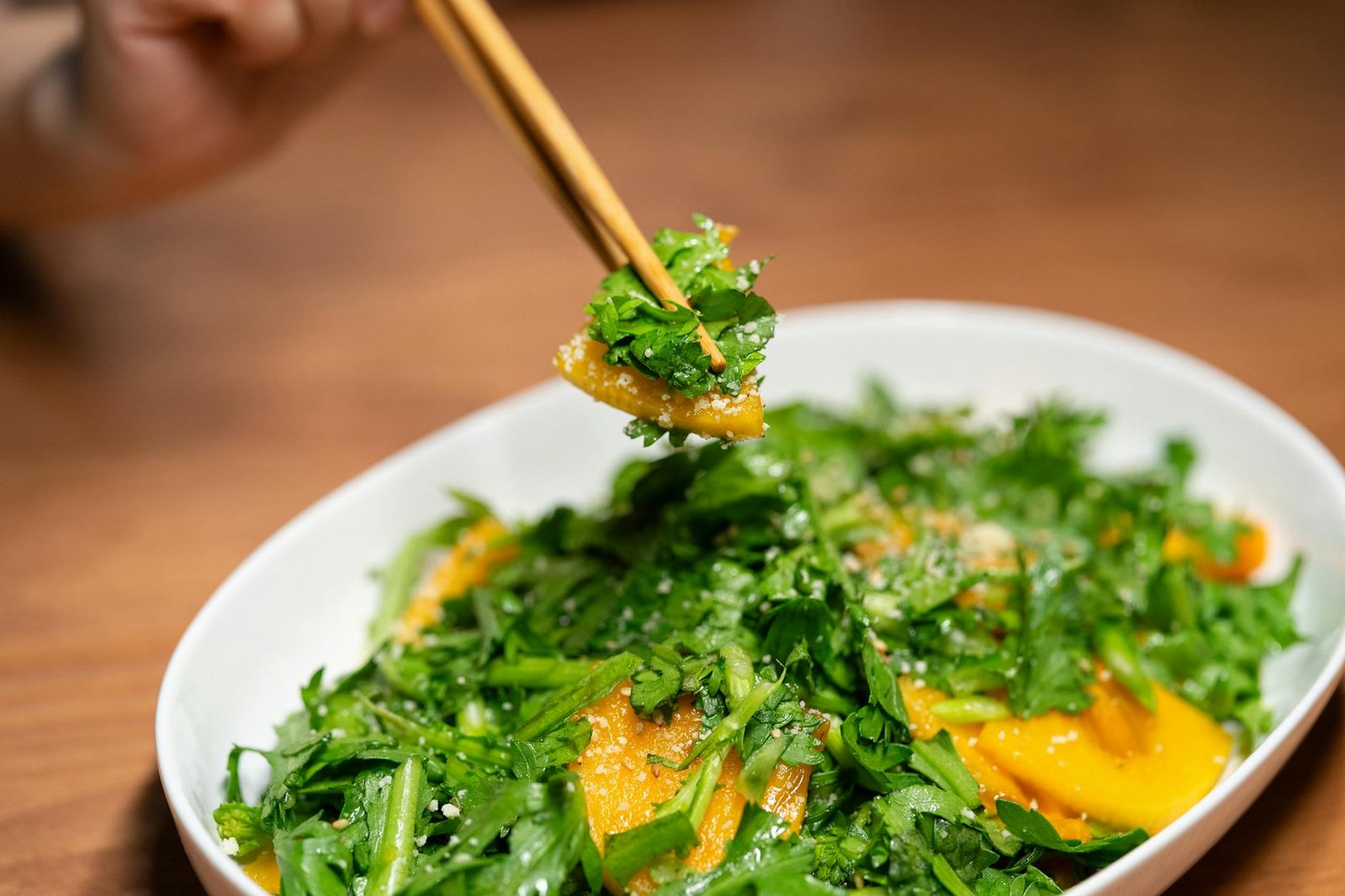
Recipe 14: Okinawan Pork Soup
When Okinawans eat pork, they use everything. Including bones for this nourishing soup.
Ingredients:
- 1 lb pork spare ribs
- 8 cups of water
- 1 piece of ginger, sliced
- 2 cups daikon radish, cubed
- 2 cups bok choy
- 3 tablespoons awamori (or sake)
- Salt to taste
Boil ribs in water with ginger for 10 minutes. Discard water to remove impurities. Add fresh water and awamori. Simmer for 2 hours until the meat is tender. Add daikon, cooking for 20 minutes. Add bok choy just before serving. Season with salt.
This soup is about patience. Low and slow creates a broth that’s deeply nourishing without being heavy.
Recipe 15: Pickled Papaya
Fermented vegetables provide probiotics and preserve the harvest.
Ingredients:
- 1 green papaya, julienned
- 2 tablespoons salt
- 1 cup rice vinegar
- 1/2 cup sugar
- 1 small chili pepper
Toss papaya with salt. Let’s sit for 2 hours. Rinse and squeeze out excess water. Heat vinegar, sugar, and chili until sugar dissolves. Cool completely. Pour over papaya. Refrigerate for at least 24 hours before eating.
These pickles keep for weeks. They’re crunchy, tangy, and wake up your taste buds. Serve alongside rich dishes to balance flavors.
Recipe 16: Yushi Dofu (Soft Tofu Soup)
This is tofu before it’s pressed into blocks. Silky, delicate, almost cloud-like.
Ingredients:
- 2 cups silken tofu
- 4 cups dashi broth
- 2 tablespoons soy sauce
- 1 tablespoon mirin
- Green onions
- Grated ginger
Gently heat dashi with soy sauce and mirin. Carefully add tofu, trying not to break it up too much. Warm through without boiling. Serve in bowls topped with green onions and ginger.
This soup is what you eat when you’re feeling under the weather or need something gentle on your stomach. It’s protein-rich comfort in a bowl.
Recipe 17: Sata Andagi (Okinawan Donuts)
Not everything in Okinawa is vegetables and tofu. These treats appear at celebrations.
Ingredients:
- 2 cups flour
- 3/4 cup sugar
- 1 teaspoon baking powder
- 2 eggs
- 1/4 cup milk
- Oil for deep frying
Mix dry ingredients. Whisk eggs and milk together. Combine wet and dry ingredients until just mixed. Heat oil to 340°F. Drop spoonfuls of batter into the oil. Fry until golden brown, about 5 minutes. Drain on paper towels.
These donuts are denser than American versions. Less sweet too. Okinawans eat them occasionally, not daily. That’s the key difference. Treats are treats, not regular meals.
How to Adapt These Recipes for American Kitchens
You don’t need to track down every traditional ingredient to benefit from these recipes.
Purple sweet potatoes can be swapped for orange ones. You’ll lose some antioxidants but still get plenty of nutrients. Regular tofu substitutes for Okinawan varieties just fine. And if bitter melon makes you shudder, try zucchini or cucumber in the champuru.
The principles matter more than perfect authenticity:
- Load up on vegetables
- Use whole, unprocessed foods
- Keep portions reasonable
- Include fermented foods regularly
- Choose lean proteins in small amounts
- Cook with minimal oil
Most ingredients are available at Asian grocery stores or online. But don’t let missing one item stop you from trying a recipe. Improvise. The Okinawans do.
Common Pitfalls When Starting an Okinawan-Inspired Diet
Americans tend to complicate things. We love rules, restrictions, and rigid plans.
The Okinawan approach is the opposite. It’s flexible, intuitive, and forgiving.
Misstep number one: Going all-or-nothing. You don’t need to eliminate everything you currently eat. Start by adding one Okinawan-style meal per week. Build from there.
Error number two: Obsessing over exact ingredients. Can’t find mozuku seaweed? Use another variety. Missing mirin? A little sugar and water work.
Blunder number three: Forgetting about portion sizes. Yes, sweet potatoes are healthy. No, eating three pounds in one sitting isn’t what Okinawans do.
Slip-up number four: Ignoring the lifestyle factors. Diet matters enormously, but Okinawans also move regularly, maintain strong social connections, and have a sense of purpose. Food is one piece of a larger puzzle.
The Science Behind Why These Foods Work
Research on Okinawan centenarians reveals fascinating insights.
Their low-calorie, nutrient-dense diet may activate longevity genes. Caloric restriction without malnutrition has shown life-extending effects in multiple studies.
The high intake of sweet potatoes provides slow-releasing carbohydrates that keep blood sugar stable. Unlike white bread or refined grains, they don’t spike insulin levels.
Regular consumption of soy products (tofu, miso) provides plant compounds that may protect against certain cancers and heart disease. The keyword is “may”—nutrition science is complex, and claiming miracles would be dishonest.
Seaweed offers minerals that land-based vegetables can’t match. Iodine, magnesium, and trace elements support thyroid function and overall health.
The anti-inflammatory properties of turmeric, ginger, and garlic—all used regularly in Okinawan cooking—have solid research backing them.
But here’s what really matters: this combination of foods creates a dietary pattern that supports long-term health. No single superfood does it alone. It’s the overall pattern.
Making These Recipes Part of Your Regular Rotation
Start with what sounds good to you. Hate bitter melon? Skip the goya champuru and try the tofu version instead.
Prep ingredients on weekends. Cook a big batch of purple sweet potatoes. Rehydrate seaweed. Make a pot of dashi broth. Having components ready makes weeknight cooking feasible.
Mix Okinawan dishes with your current favorites. Serve goya champuru alongside grilled chicken if that makes it more appealing. The goal isn’t perfection—it’s progress.
Involve your family. Kids might surprise you. Mine refused to try tofu until I made it in a stir-fry with familiar vegetables. Now it’s a regular request.
Keep it simple. Many of these recipes have five ingredients or fewer. Okinawan cooking isn’t complicated because Okinawan cooks had gardens to tend and communities to nurture. Food was fuel and pleasure, not a full-time job.
The Cultural Context That Makes These Recipes Special
Food in Okinawa isn’t just about nutrition. It’s community, tradition, and identity.
Okinawans have a concept called “ichariba chode”—once we meet, we’re brothers and sisters. Meals are shared. Eating alone is unusual. The social aspect of dining matters.
They also practice “ikigai,” or having a reason to wake up in the morning. Purpose and meaning influence health as much as vegetables do.
The recipes here represent more than just ingredients and techniques. They’re part of a worldview that values longevity, community, and living in harmony with nature.
You can’t bottle that. You can’t order it from Amazon. But you can cook these foods, share them with people you care about, and create your own version of what makes Okinawa special.
Where to Source Ingredients
Asian grocery stores stock most of what you need. H Mart, 99 Ranch Market, and other chains have extensive Japanese sections.
For online shopping:
- Amazon carries miso, wakame, and dried seaweed varieties
- Weee! specializes in Asian groceries with delivery
- Japanese Taste imports directly from Japan
Farmers’ markets sometimes have bitter melon in the summer months, especially in areas with Asian communities. Purple sweet potatoes are becoming more common in regular supermarkets as their health benefits gain recognition.
For items you absolutely can’t find, substitute. The recipe police won’t arrest you for using regular soba instead of Okinawan soba. Cook with what’s available and accessible.

Meal Planning with Okinawan Recipes
A week of Okinawan-inspired eating might look like this:
Monday: Purple sweet potato mash with baked fish and steamed vegetables
Tuesday: Goya champuru with brown rice
Wednesday: Okinawan soba noodles with pickled vegetables on the side
Thursday: Tofu champuru and miso soup
Friday: Taco rice (because Friday deserves something fun)
Saturday: Okinawan pork soup with lots of vegetables
Sunday: Juushii with hijiki salad
Notice how vegetables dominate every meal. Protein is present, but not the star. Grains provide energy without excess. Fermented foods appear multiple times throughout the week.
This pattern is sustainable, satisfying, and won’t leave you feeling deprived or hungry.
Frequently Asked Questions
Do I need to be 100% plant-based to get benefits from Okinawan recipes?
Not at all. Traditional Okinawans eat fish and some pork. The key is making plants the foundation while using animal products as flavoring or small additions rather than centerpieces.
Are these recipes suitable for people with dietary restrictions?
Many are naturally gluten-free if you choose the right noodles and skip soy sauce (or use tamari). They’re easily adaptable for vegetarians and vegans by omitting fish-based dashi and using vegetable broth instead.
How long does it take to see health benefits from eating this way?
Individual results vary wildly. Some people report better energy within weeks. Longer-term benefits like improved cholesterol or blood pressure may take months. This isn’t a quick fix—it’s a sustainable approach to eating.
Can kids eat these foods?
Absolutely. Okinawan children grow up eating these dishes. You might need to adjust the seasoning and go easy on bitter flavors initially, but these recipes are family-friendly.
Are Okinawan recipes expensive?
Generally no. Tofu, sweet potatoes, and vegetables are budget-friendly. Some specialty items, like dried seaweed, have upfront costs but last a long time. This diet is typically cheaper than one heavy in meat and processed foods.
Do I need special cooking equipment?
A good skillet, a pot for making soup, and a steamer cover most recipes. Rice cookers are helpful but not essential. Okinawan cooking developed in simple kitchens without fancy gadgets.
How do I know if I’m doing hara hachi bu correctly?
Eat slowly and stop when you’re comfortably satisfied, not stuffed. It takes practice. Most Americans are so used to eating until uncomfortably full that 80% full feels strange at first.
Can I lose weight eating Okinawan-style?
Many people do, naturally, because the diet emphasizes low-calorie, high-nutrient foods and reasonable portions. But weight loss wasn’t the original goal—longevity and health were.
Are there any downsides to this way of eating?
Some people find the flavors unfamiliar initially. Bitter melon, in particular, is polarizing. The diet is also quite high in soy, which some people prefer to limit. As with any dietary pattern, individual tolerance varies.
Where can I learn more about Blue Zones and longevity?
Dan Buettner’s books and documentaries provide excellent overviews. The Blue Zones website offers additional recipes and research. Scientific journals publish ongoing studies about Okinawan centenarians.
Final Thoughts on Bringing Okinawa to Your Table
These 17 recipes represent a starting point, not a finish line. Okinawan cuisine includes hundreds of dishes, but these give you a solid foundation.
The real magic isn’t in any single recipe. It’s in the approach. Eat mostly plants. Keep portions reasonable. Choose whole foods over processed ones. Share meals with people you care about. Move your body regularly. Find purpose in your days.
Cooking Okinawan-style won’t guarantee you’ll live to 100. Genetics plays a role. Luck matters. Life is complicated.
But these recipes offer something valuable: a time-tested approach to eating that supports health without deprivation. Food that nourishes without making you feel like you’re on a diet. Simple preparations that save time while improving your relationship with what you eat.
Start with one recipe this week. Maybe the purple sweet potato mash, because it’s ridiculously easy. Or the miso soup because it takes seven minutes. Pick what appeals to you and go from there.
The Okinawans didn’t overthink this. They ate what grew nearby, what their ancestors taught them to prepare, and what made them feel good. You can do the same with these recipes, adapted for your kitchen, your family, and your life.
Welcome to eating like the longest-lived people on Earth. Your future self might thank you.
SUGGESTED POST >> 9 Best Loma Linda Blue Zone Recipes: Aging Backward Hack