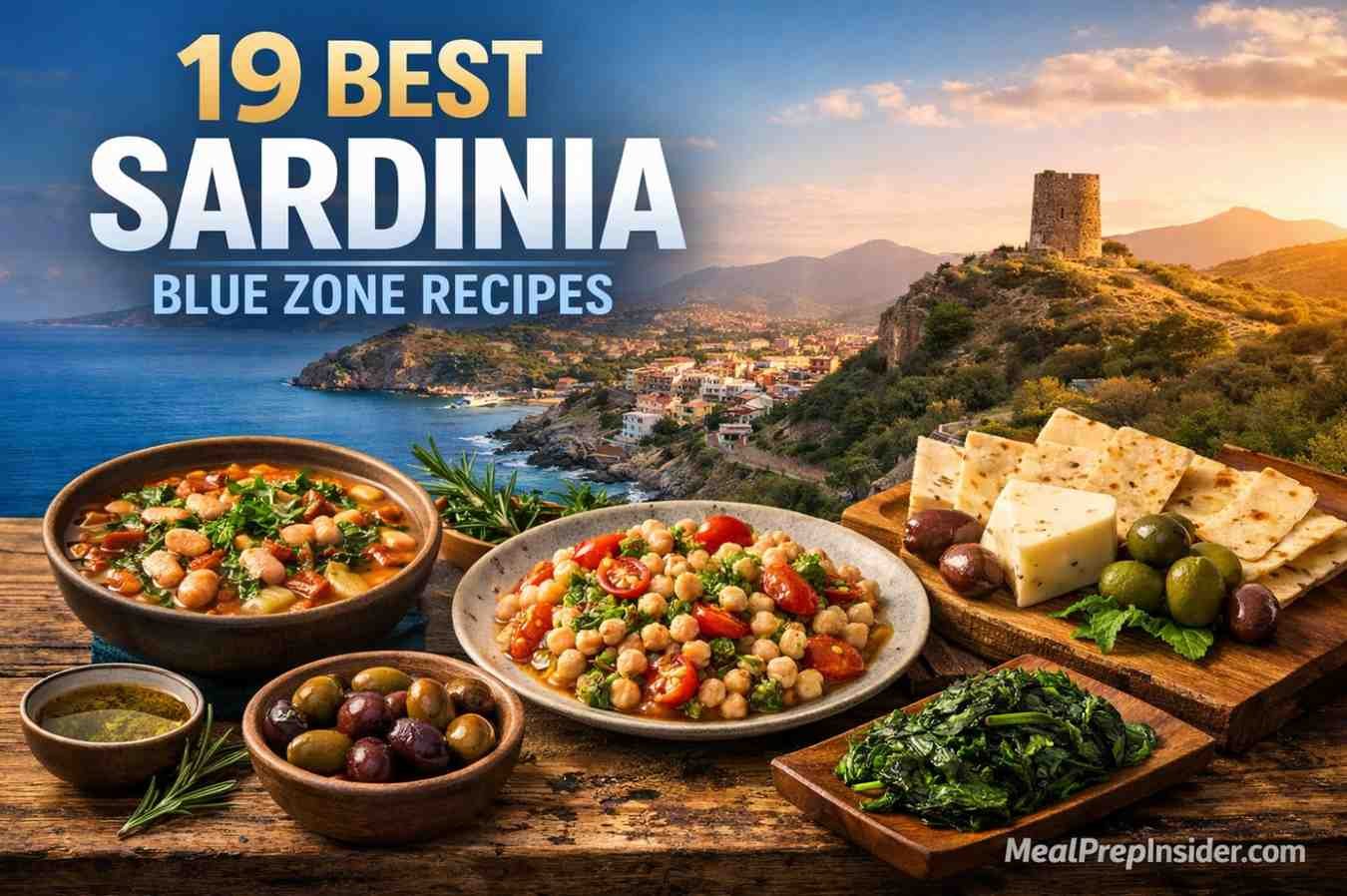
Sardinia Blue Zone recipes have captured the attention of health enthusiasts, home cooks, and longevity researchers across America for one compelling reason. People in this rugged Italian island region routinely live past 100 years old.
And they do it while eating incredibly well.
Here’s what most wellness blogs won’t tell you. The secret isn’t some exotic superfood or complicated dietary protocol. It’s not expensive supplements or rare ingredients you’d need to import from overseas.
The truth? These centenarians eat peasant food. Simple, affordable, and shockingly delicious dishes passed down through generations of shepherds, farmers, and fishermen.
What if everything you thought you knew about healthy eating was backwards?
Imagine sitting down to a meal of homemade pasta, crusty bread dipped in olive oil, and a glass of red wine. Now imagine your doctor telling you this could actually extend your life.
Sounds too good to be true. But the research backs it up.
Scientists have studied Sardinian centenarians for decades. They’ve analyzed their blood, tracked their diets, and monitored their health markers. The findings consistently point back to their traditional food culture.
This isn’t about restriction. It’s about abundance.
Keep reading. These 19 recipes will change how you think about food, aging, and what it truly means to eat well.
Why Sardinian Blue Zone Cuisine Promotes Longevity
Before diving into the recipes, you need to understand what makes this food so powerful.
The traditional Sardinian diet relies heavily on these core principles:
- Plant-forward eating with meat as an occasional celebration
- Whole grains, particularly ancient varieties of wheat and barley
- Abundant legumes, especially fava beans and chickpeas
- Wild foraged greens and garden vegetables
- Sheep and goat dairy products, rather than cow’s milk
- Local olive oil as the primary fat source
- Moderate amounts of Cannonau red wine
The magic happens in the combination. No single ingredient creates longevity. The synergy between these whole foods, eaten consistently over a lifetime, builds resilient bodies.
Most Americans consume highly processed foods for roughly 60% of their daily calories. Sardinian centenarians? They eat almost exclusively whole foods prepared at home.
The contrast couldn’t be starker.
Recipe 1: Pane Carasau (Sardinian Flatbread)
This paper-thin, crispy bread dates back thousands of years. Shepherds carried it during long months tending flocks in the mountains because it never spoiled.
Ingredients:
| Item | Amount |
|---|---|
| Semolina flour | 2 cups |
| All-purpose flour | 1 cup |
| Fine sea salt | 1 teaspoon |
| Warm water | 1 cup |
| Active dry yeast | 1/2 teaspoon |
Instructions:
Dissolve yeast in warm water. Let it sit for five minutes until foamy. Combine both flours and salt in a large bowl. Add the yeast mixture and knead for 10 minutes until smooth and elastic.
Cover the dough. Let it rise for two hours in a warm spot.
Divide into golf-ball-sized portions. Roll each incredibly thin. We’re talking translucent thin.
Bake at 500°F on a pizza stone for about one minute per side. The bread will puff dramatically. Split the puffed rounds in half while still warm.
Return the halves to the oven. Toast until golden and crispy.
Store in an airtight container for weeks.
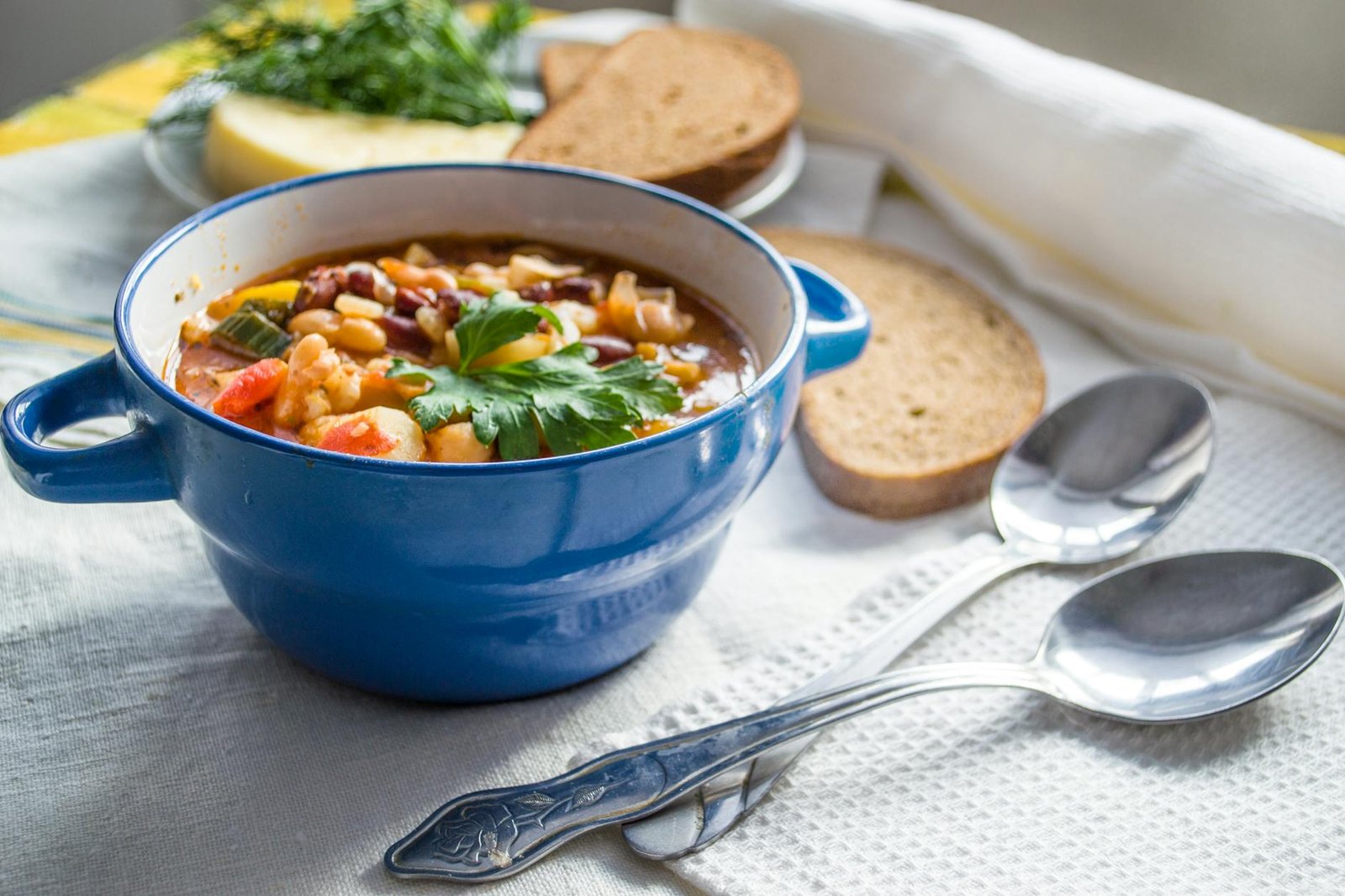
Recipe 2: Minestrone di Verdure (Sardinian Vegetable Soup)
Every household in Sardinia’s Blue Zone makes its own version of this hearty vegetable soup. The recipe changes with the seasons. Whatever grows gets thrown in the pot.
What you’ll need:
- 2 tablespoons extra virgin olive oil
- 1 large onion, diced
- 3 celery stalks, chopped
- 4 carrots, sliced
- 4 garlic cloves, minced
- 1 can cannellini beans, drained
- 1 can diced tomatoes
- 6 cups vegetable broth
- 2 cups chopped kale or chard
- 1 zucchini, cubed
- Fresh rosemary and thyme
- Parmesan rind (optional but transformative)
Heat olive oil over medium flame. Sauté onion, celery, and carrots until softened, roughly eight minutes. Add garlic. Cook another minute until fragrant.
Pour in tomatoes and broth. Add the Parmesan rind if using. Bring to a boil, then reduce the heat. Simmer 20 minutes.
Add beans and zucchini. Continue simmering 15 more minutes. Stir in leafy greens during the final five minutes.
Season with salt and black pepper. Drizzle generously with olive oil before serving.
This soup improves overnight. Make a big batch.
Recipe 3: Fregola con Arselle (Sardinian Pasta with Clams)
Fregola resembles oversized couscous but with a toasted, nutty flavor profile. This coastal dish brings together the island’s pastoral and maritime traditions.
Ingredients list:
| Component | Quantity |
|---|---|
| Fregola pasta | 12 ounces |
| Fresh clams | 2 pounds |
| Cherry tomatoes | 1 pint |
| Dry white wine | 1/2 cup |
| Garlic cloves | 4, sliced |
| Fresh parsley | 1/2 cup, chopped |
| Extra virgin olive oil | 4 tablespoons |
| Red pepper flakes | 1/4 teaspoon |
Scrub clams thoroughly. Discard any that won’t close when tapped.
Toast fregola in a dry pan until golden, stirring frequently. Set aside.
Heat olive oil in a wide pan. Add garlic and pepper flakes. Cook until the garlic turns golden. Add halved cherry tomatoes. Sauté until they begin breaking down.
Pour in wine. Add clams. Cover and steam until shells open, approximately five minutes. Remove opened clams to a bowl.
Add toasted fregola to the pan. Pour in enough water to cover. Simmer until pasta is al dente, stirring occasionally. The dish should be slightly brothy, not dry.
Return clams to the pan. Toss with fresh parsley. Serve immediately with crusty bread.
Recipe 4: Zuppa Gallurese (Bread and Cheese Soup)
This isn’t soup in the traditional sense. Think of it as Sardinian lasagna using stale bread instead of pasta. Frugal, filling, and outrageously comforting.
What goes in:
- 1 loaf stale country bread, sliced thin
- 8 cups rich beef or lamb broth
- 1 pound fresh pecorino cheese, grated
- Fresh mint leaves
- Salt and pepper
- Butter for greasing
Preheat oven to 375°F. Butter a deep baking dish generously.
Layer bread slices across the bottom. Sprinkle with pecorino and torn mint leaves. Season lightly. Repeat layers until the dish is full, ending with cheese.
Heat broth to a simmer. Ladle carefully over the bread layers. The bread should absorb liquid but not become completely submerged.
Bake 45 minutes until the top is crusty and golden. Let rest 10 minutes before serving.
The texture transforms completely. Custardy in the center, crispy on top.
Recipe 5: Culurgiones (Sardinian Stuffed Pasta)
These distinctive dumplings feature an intricate wheat-ear closure that takes practice to master. The filling combines potato, mint, and pecorino in an unexpectedly perfect trio.
For the dough:
- 3 cups semolina flour
- 1 cup warm water
- Pinch of saffron threads
- 1/2 teaspoon salt
For the filling:
- 2 pounds russet potatoes
- 1 cup aged pecorino, grated
- 1/2 cup fresh mint, minced
- 3 tablespoons olive oil
- Salt to taste
Steep saffron in warm water for five minutes. Combine with flour and salt. Knead until smooth and pliable, about 10 minutes. Rest covered one hour.
Meanwhile, boil potatoes until tender. Peel while still warm. Rice or mash thoroughly. Mix with pecorino, mint, olive oil, and salt.
Roll the dough thin. Cut 3-inch circles. Place a tablespoon of filling on each. Fold and pinch closed, creating the traditional wheat-ear pattern.
Boil in salted water for three to four minutes. Serve with simple tomato sauce or brown butter and sage.
Recipe 6: Malloreddus (Sardinian Gnocchi with Sausage)
These ridged pasta shells go by the endearing nickname “little calves.” The traditional preparation pairs them with a robust sausage ragù flavored with saffron.
Ingredients required:
| For Pasta | For Sauce |
|---|---|
| 2 cups semolina flour | 1 lb Italian sausage |
| 3/4 cup warm water | 1 can crushed tomatoes |
| Pinch saffron | 1 onion, diced |
| 1/2 tsp salt | 4 garlic cloves |
| Fresh basil | |
| Pecorino for serving |
Bloom saffron in warm water. Mix with flour and salt. Knead 10 minutes until smooth. Rest 30 minutes.
Roll the dough into thin ropes. Cut into small pieces. Press each against a gnocchi board or fork tines to create ridges.
For the sauce, brown the sausage in olive oil, breaking it into small pieces. Remove and set aside. Add onion to the same pan. Cook until softened. Add garlic. Cook one minute more.
Return the sausage to the pan. Add tomatoes. Simmer 30 minutes until thick.
Boil pasta until they float plus one minute. Toss with sauce. Top with pecorino and torn basil.
Recipe 7: Porceddu (Roast Suckling Pig)
This celebratory dish appears at weddings, festivals, and special gatherings throughout Sardinia. The cooking method produces impossibly crispy skin and succulent meat.
Essential components:
- Whole suckling pig (about 15 pounds)
- Myrtle branches
- Fresh rosemary and sage
- Sea salt
- Extra virgin olive oil
Prepare a fire using aromatic wood. Oak and juniper work beautifully.
Rub the pig inside and out with salt and olive oil. Stuff the cavity with myrtle branches and herbs.
Spit-roast slowly over dying coals for four to five hours. The low heat renders fat gradually while crisping the skin.
Baste occasionally with olive oil infused with myrtle and rosemary.
Rest 20 minutes before carving. Serve on a bed of fresh myrtle leaves.
Most home cooks adapt this recipe for the oven. Roast at 300°F for three hours, then crank to 450°F for final crisping.
Recipe 8: Favata (Fava Bean Stew)
Fava beans appear in Sardinian cuisine constantly. This stick-to-your-ribs stew sustained farming families through long winters. The protein-rich legumes formed the backbone of the peasant diet.
Ingredients:
- 2 cups dried fava beans, soaked overnight
- 4 ounces pancetta, cubed
- 1 onion, diced
- 2 celery stalks, chopped
- 2 carrots, sliced
- 4 garlic cloves, minced
- 1 bunch wild fennel fronds (or regular fennel tops)
- 1 bay leaf
- 4 cups water or broth
- Olive oil, salt, and pepper
Drain soaked beans. In a heavy pot, render pancetta until crispy. Remove and reserve.
Add onion, celery, and carrots to the fat. Cook until softened. Add garlic. Stir one minute.
Return pancetta. Add beans, fennel fronds, bay leaf, and liquid. Bring to a boil. Reduce heat. Simmer covered until beans are completely tender, roughly two hours.
Some beans will break down and thicken the broth naturally. That’s the goal.
Serve with crusty bread and abundant olive oil.
Recipe 9: Sebadas (Fried Cheese Pastries with Honey)
These extraordinary desserts showcase Sardinia’s beloved pecorino in an unexpected sweet context. The warm cheese stretches endlessly, topped with bitter honey.
You’ll need:
| Pastry | Filling |
|---|---|
| 2 cups semolina flour | 1 lb fresh pecorino |
| 1/2 cup lard or butter | Lemon zest |
| 1/4 cup warm water | |
| Pinch salt | |
| Bitter honey for drizzling |
Cut cheese into thin slices. Toss with lemon zest. Let it sit at room temperature for one hour.
Combine flour, lard, water, and salt. Knead until smooth. Rest 30 minutes.
Roll the dough thin. Cut large circles, about six inches in diameter. Mound cheese filling in the center of half the circles. Top with the remaining circles. Press edges firmly to seal.
Fry in hot oil until golden on both sides. The cheese inside should be completely melted.
Drain briefly. Drizzle immediately with warmed bitter honey.
Eat fast. These don’t wait.
RELATED POST >> 9 Best Loma Linda Blue Zone Recipes: Aging Backward Hack
Recipe 10: Cordula (Braised Lamb Intestines)
This dish might seem challenging to American palates, but nose-to-tail eating defines traditional Sardinian cuisine. Nothing was wasted. Every part of the animal nourished the family.
Preparation approach:
The cleaned intestines are braided with strips of fat and herbs, then slowly braised in tomato sauce until meltingly tender. The texture becomes silky rather than chewy.
Many Sardinian Americans substitute lamb sausage for a similar flavor profile without the preparation complexity.
The principle matters more than the specific ingredient. Using the whole animal reduces waste and provides nutrients missing from muscle meat alone.
Recipe 11: Pane Frattau
This humble breakfast transforms leftover pane carasau into something spectacular. The crispy bread softens under tomato sauce and poached eggs, creating a textural contrast in every bite.
Components needed:
- 4 sheets pane carasau
- 2 cups tomato sauce
- 4 fresh eggs
- 1/2 cup grated pecorino
- Fresh basil
- Extra virgin olive oil
Bring water to a gentle simmer for poaching eggs.
Briefly dip pane carasau in hot broth or salted water. Just seconds. The bread should soften slightly but not become soggy.
Layer softened bread on plates. Spoon warm tomato sauce over each layer. Build two or three layers per serving.
Poach eggs until whites set but yolks remain runny. Place atop the stacked bread.
Shower with pecorino. Drizzle with olive oil. Scatter basil leaves.
Break the yolk. Let it run over everything.
Recipe 12: Fregula con Cocciula (Fregola with Cockles)
Another variation of the beloved toasted pasta, this version highlights tiny cockles or clams in a garlicky broth. The dish demonstrates how Sardinian cooks maximize flavor with minimal ingredients.
Shopping list:
- 1 pound fregola
- 3 pounds small cockles or littleneck clams
- 1/2 cup white wine
- 6 garlic cloves, thinly sliced
- 1 cup cherry tomatoes, halved
- Parsley, olive oil, salt, pepper
The technique mirrors the earlier fregola recipe. Toast the pasta first. Steam shellfish in wine. Build the broth in the same pan, then cook the pasta directly in the liquid.
The starch releases into the broth, creating natural silkiness.
Finish with raw olive oil and abundant parsley.
Recipe 13: Porcetto al Mirto (Myrtle-Roasted Pork)
Myrtle grows wild throughout Sardinia. The aromatic leaves lend a distinctive flavor to roasted meats that’s nearly impossible to replicate elsewhere. Juniper berries offer the closest approximation.
Ingredients:
- 4-pound bone-in pork shoulder
- Large bunch of fresh myrtle (or juniper berries and bay leaves)
- 6 garlic cloves, sliced
- Olive oil
- Coarse sea salt
Make deep cuts throughout the pork. Insert garlic slices and herb leaves into the cuts. Rub the entire surface with olive oil and salt.
Wrap the roast in myrtle branches. Tie with kitchen twine.
Roast at 325°F for three hours until the internal temperature reaches 180°F and the meat pulls apart easily.
Rest wrapped for 30 minutes. The steam continues infusing the meat with herbal aromatics.
Recipe 14: Pasta e Fagioli Sarda
Every Mediterranean culture has its version of pasta and beans. The Sardinian approach emphasizes the bean broth, cooking everything together rather than combining separately.
What to gather:
- 1 cup dried borlotti or cranberry beans
- 8 ounces small pasta (ditalini or broken spaghetti)
- 1 onion, diced fine
- 2 carrots, diced
- 4 garlic cloves, minced
- Fresh rosemary sprig
- Parmesan rind
- 8 cups of water
- Olive oil generously
Soak beans overnight. Drain and rinse.
Sauté the onion and carrots in olive oil until soft. Add garlic and rosemary. Cook briefly.
Add beans, Parmesan rind, and water. Simmer until beans are completely tender, roughly 90 minutes.
Remove Parmesan rind and rosemary stem. Mash about one-third of the beans against the pot side to thicken the liquid.
Add pasta. Cook the beans in the broth until al dente, adding water if needed.
The finished dish should be thick, almost porridge-like. Top with olive oil and black pepper.
Recipe 15: Bottarga (Cured Fish Roe)
Sardinian bottarga ranks among the world’s most prized culinary ingredients. Made from salted and dried grey mullet roe, it provides intense umami depth to simple dishes.
Using bottarga:
You likely won’t make this at home. The curing process takes months. But knowing how to use bottarga unlocks remarkable flavors.
Grate it over spaghetti dressed with olive oil and garlic. Shave thin slices over scrambled eggs. Add to simple salads for briny intensity.
A little goes far. Quality bottarga costs accordingly.
Store wrapped tightly in the refrigerator. Grate only what you need.
Recipe 16: Agnello con Finocchietto (Lamb with Wild Fennel)
Wild fennel grows everywhere in Sardinia. The fronds taste intensely anise-like, much stronger than cultivated varieties. Lamb and fennel pair classically throughout Mediterranean cuisines.
Required ingredients:
- 3 pounds of lamb shoulder, cubed
- 2 cups wild fennel fronds (or fennel tops plus fennel seeds)
- 1 onion, sliced
- 4 garlic cloves
- 1 cup white wine
- 2 cups chicken stock
- Olive oil, salt, pepper
Brown lamb in batches in olive oil. Set aside.
Sauté the onion until golden. Add garlic. Cook one minute.
Return lamb to the pot. Add wine. Simmer until reduced by half.
Add fennel fronds and stock. Cover and braise at 325°F for two hours until the lamb is fork-tender.
The braising liquid concentrates into a flavorful sauce. Adjust seasoning before serving.
Recipe 17: Mirto (Myrtle Berry Digestif)
This after-dinner liqueur appears on every Sardinian table following substantial meals. The digestive properties genuinely seem to help. Science or tradition? Both, probably.
Making mirto at home:
| Ingredient | Amount |
|---|---|
| Fresh or dried myrtle berries | 1 pound |
| High-proof vodka or grain alcohol | 1 liter |
| Simple syrup | 2 cups |
Steep myrtle berries in alcohol for at least 40 days in a dark place. Shake occasionally.
Strain out berries. Add simple syrup to taste. The traditional version is quite sweet.
Bottle and age another month before serving.
Serve chilled in small glasses after dinner.
Recipe 18: Seadas al Forno (Baked Cheese Pastries)
A lighter take on the fried sebadas, this version bakes the pastries until crispy. The result is less indulgent but still deeply satisfying.
Modifications from the fried version:
Same dough and filling. Roll slightly thicker. Brush assembled pastries with olive oil rather than frying.
Bake at 400°F until golden, roughly 20 minutes.
The cheese won’t stretch quite as dramatically. The honey remains essential.
Recipe 19: Cannonau-Poached Pears
Cannonau wine appears throughout Sardinian cooking, not just for drinking. This simple dessert showcases the wine’s depth while creating something elegant from humble ingredients.
Ingredients:
- 6 firm pears, peeled
- 1 bottle Cannonau wine
- 1 cup sugar
- 1 cinnamon stick
- 4 whole cloves
- Orange peel strips
Combine wine, sugar, and spices in a pot large enough to hold pears. Heat until the sugar dissolves.
Add pears. Simmer gently until tender when pierced, approximately 30 minutes. Turn occasionally for even coloring.
Remove pears. Reduce cooking liquid until syrupy.
Serve pears warm or chilled with reduced syrup. Fresh ricotta alongside is traditional.
Frequent Oversights When Cooking Sardinian Cuisine
Many home cooks struggle with Sardinian recipes despite their apparent simplicity. Here’s where things typically go sideways.
Using inferior olive oil. Sardinian cuisine depends on quality extra virgin olive oil used both for cooking and finishing. Cheap blended oils won’t deliver the same results.
Rushing the bean cookery. Properly cooked legumes require patience. Undercooked beans taste starchy and cause digestive distress. When in doubt, cook longer.
Overcomplicating dishes. The power of this cuisine lies in restraint. Resist adding extra ingredients or techniques. Trust the traditional preparations.
Neglecting the bitter elements. Sardinian cooking embraces bitter flavors Americans often avoid. Bitter greens, bitter honey, bitter wine. These elements create balance.
Skipping the table wine. Moderate red wine consumption genuinely appears in the longevity research. One to two glasses with dinner, not abstaining entirely.

Building a Sardinian Pantry
Stock these staples for consistent access to Blue Zone cooking:
- Semolina flour for pasta and bread
- Dried fava beans and chickpeas
- Quality extra virgin olive oil
- Aged pecorino Romano
- Saffron threads
- Dried oregano and wild fennel seeds
- Cannonau wine
- Bitter honey
- Canned San Marzano tomatoes
With these foundations, most recipes become accessible weeknight options.
Health Benefits Observed in Sardinian Blue Zone Residents
The centenarians of Sardinia’s Blue Zone demonstrate remarkable health markers:
- Extremely low rates of heart disease
- Minimal diabetes occurrence
- Sharp cognitive function into advanced age
- Maintained mobility and independence
- Strong social connections and purpose
Diet alone doesn’t explain everything. The mountainous terrain keeps people physically active. Strong family bonds provide emotional support. Purpose and meaning persist throughout life.
But food remains central. Every day. Every meal. Consistent, whole-food nourishment across a lifetime.
Adapting These Recipes for American Kitchens
Most ingredients for Sardinian cooking are readily available in American supermarkets. A few substitutions help bridge gaps:
Fregola pasta: Israeli couscous provides a similar texture, though it lacks the toasted flavor. Toast it yourself in a dry pan.
Pecorino Sardo: Pecorino Romano offers comparable sharpness. Manchego works for milder applications.
Wild myrtle: Combine juniper berries, bay leaves, and rosemary for an approximation.
Fresh fava beans: Frozen favas work well. Or substitute lima beans for a similar texture.
Pane carasau: Some specialty stores stock imported versions. Lavash bread offers a reasonable substitute.
FAQs About Sardinian Blue Zone Recipes
What makes Sardinian food different from other Italian cuisines?
Sardinia’s isolation created a distinct culinary tradition emphasizing sheep and goat products over cow dairy, ancient grains over modern wheat varieties, and wild foraged ingredients over cultivated ones. The peasant origins mean nothing goes to waste.
Can I follow a Sardinian diet without eating meat?
Traditionally, meat appears infrequently in Sardinian cooking. Most dishes are entirely plant-based or feature meat as flavoring rather than a centerpiece. Vegetarians can absolutely embrace this cuisine.
How much wine should I drink following Blue Zone principles?
Research suggests one to two glasses daily with meals, specifically Cannonau red wine. Binge drinking provides no benefits. The key is moderate, consistent consumption alongside food.
Where can I buy Sardinian ingredients in the United States?
Italian specialty stores stock many items. Online retailers like iGourmet and Gustiamo carry authentic Sardinian products, including bottarga, pecorino, and fregola.
Is the Sardinian diet expensive to follow?
Not at all. The cuisine developed from poverty. Beans, grains, vegetables, and olive oil form the foundation. These remain among the most affordable whole foods available.
How often do Sardinian centenarians eat sweets?
Desserts appear occasionally, usually tied to celebrations or special occasions. Daily sugar consumption stays minimal. When sweets do appear, honey rather than refined sugar typically provides sweetness.
Can children eat Sardinian Blue Zone recipes?
Absolutely. This represents genuine family cooking. Children in Sardinia eat the same foods as adults, developing palates for complex flavors early.
What’s the most important principle of Sardinian eating?
Cook from scratch. Eat with family. Use whole ingredients. These fundamentals matter more than any specific recipe.
Bringing It All Together
These 19 Sardinia Blue Zone recipes offer more than just meal ideas. They provide a framework for rethinking your relationship with food.
The centenarians of Sardinia didn’t follow diet plans. They ate what their land provided, prepared with techniques passed through generations, shared with people they loved.
That’s the real secret.
No restriction. Not optimization. Not biohacking or superfoods or expensive supplements.
Just real food. Cooked simply. Eaten together.
Start with one recipe this week. Maybe the minestrone or the fava bean stew. Notice how satisfying whole foods can be.
Then try another.
Build slowly. Let these dishes become part of your regular rotation.
You might not live to 100. But you’ll almost certainly eat better getting there.
SUGGESTED POST >> Top 25 Best Blue Zone Recipes: The 100-Year Diet