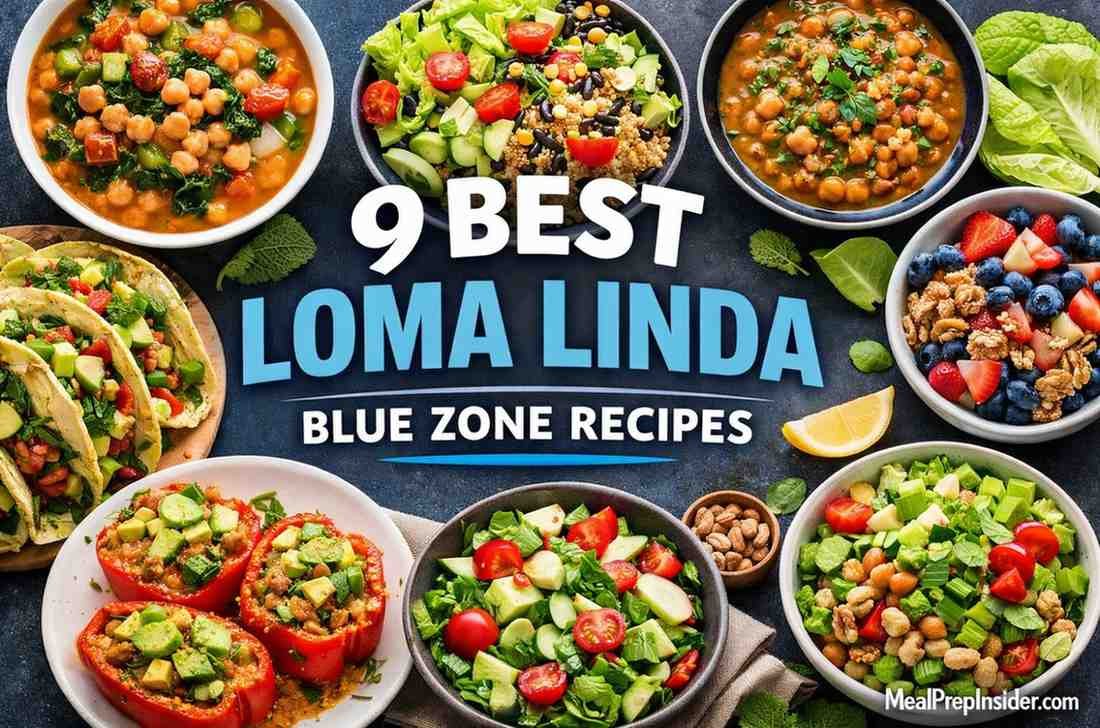
Loma Linda Blue Zone recipes aren’t just about eating healthier—they’re about unlocking secrets that have helped a small California community outlive nearly everyone else on the planet.
Think about it for a second. While the rest of America struggles with diet trends that change faster than fashion seasons, there’s this pocket of people in Southern California who’ve quietly figured out how to live longer, healthier, and happier lives. No gimmicks. No magic pills. Just real food prepared in ways that actually make sense.
Here’s what makes this wild: Loma Linda is the only Blue Zone in the entire United States. Researchers found that Adventists living there routinely hit their 90s and beyond, with significantly lower rates of heart disease, diabetes, and cancer. Their secret weapon? The food they put on their plates.
You’re about to discover nine recipes that form the backbone of their longevity diet. These aren’t complicated restaurant-style dishes that require culinary school training. They’re straightforward, delicious meals that your grandma would approve of—if your grandma happened to know the science behind living to 100.
Let’s get cooking.
Why Loma Linda Blue Zone Recipes Work Better Than Most Diets
The Seventh-day Adventists who populate Loma Linda follow dietary principles rooted in both faith and science. Most community members eat a plant-based diet, though some include small amounts of fish. They skip alcohol and tobacco entirely. And they practice something most Americans have completely forgotten: eating in moderation.
But here’s the kicker—it’s not just what they eat. It’s when they eat it, how they prepare it, and who they share it with.
Their largest meal happens at midday. Dinner stays light. They don’t snack mindlessly while binge-watching Netflix. Food serves as fuel and community glue, not entertainment or emotional comfort.
The recipes below reflect this philosophy. Each one packs serious nutritional firepower without sacrificing flavor. You won’t find processed ingredients, artificial sweeteners, or ingredient lists that read like chemistry experiments.
Ready to steal their playbook?
Recipe 1: Classic Loma Linda Lentil Loaf
This dish serves as the plant-based answer to traditional meatloaf, except it won’t leave you feeling sluggish or guilty.
Ingredients:
- 2 cups cooked brown lentils
- 1 cup rolled oats
- 1 medium onion, finely chopped
- 2 cloves garlic, minced
- 1 cup diced tomatoes
- 2 tablespoons ground flaxseed mixed with 6 tablespoons water
- 1 tablespoon low-sodium soy sauce
- 1 teaspoon dried oregano
- 1 teaspoon smoked paprika
- ½ teaspoon black pepper
- ½ cup chopped walnuts
Preparation:
Preheat your oven to 350°F. Mix the flaxseed and water, then let it sit for five minutes until it gets that egg-like consistency.
Combine all ingredients in a large bowl. Get your hands in there and mix everything thoroughly. The texture should hold together when you squeeze a handful.
Press the mixture into a greased loaf pan. Bake for 45 minutes until the top develops a nice golden crust.
Let it rest for 10 minutes before slicing. Serve with steamed vegetables or a fresh salad.
Why it works:
Lentils provide protein and fiber without the saturated fat found in beef. The walnuts add omega-3 fatty acids that support brain and heart health. This combination keeps your blood sugar stable for hours, preventing those afternoon energy crashes that send most people running for coffee or candy.
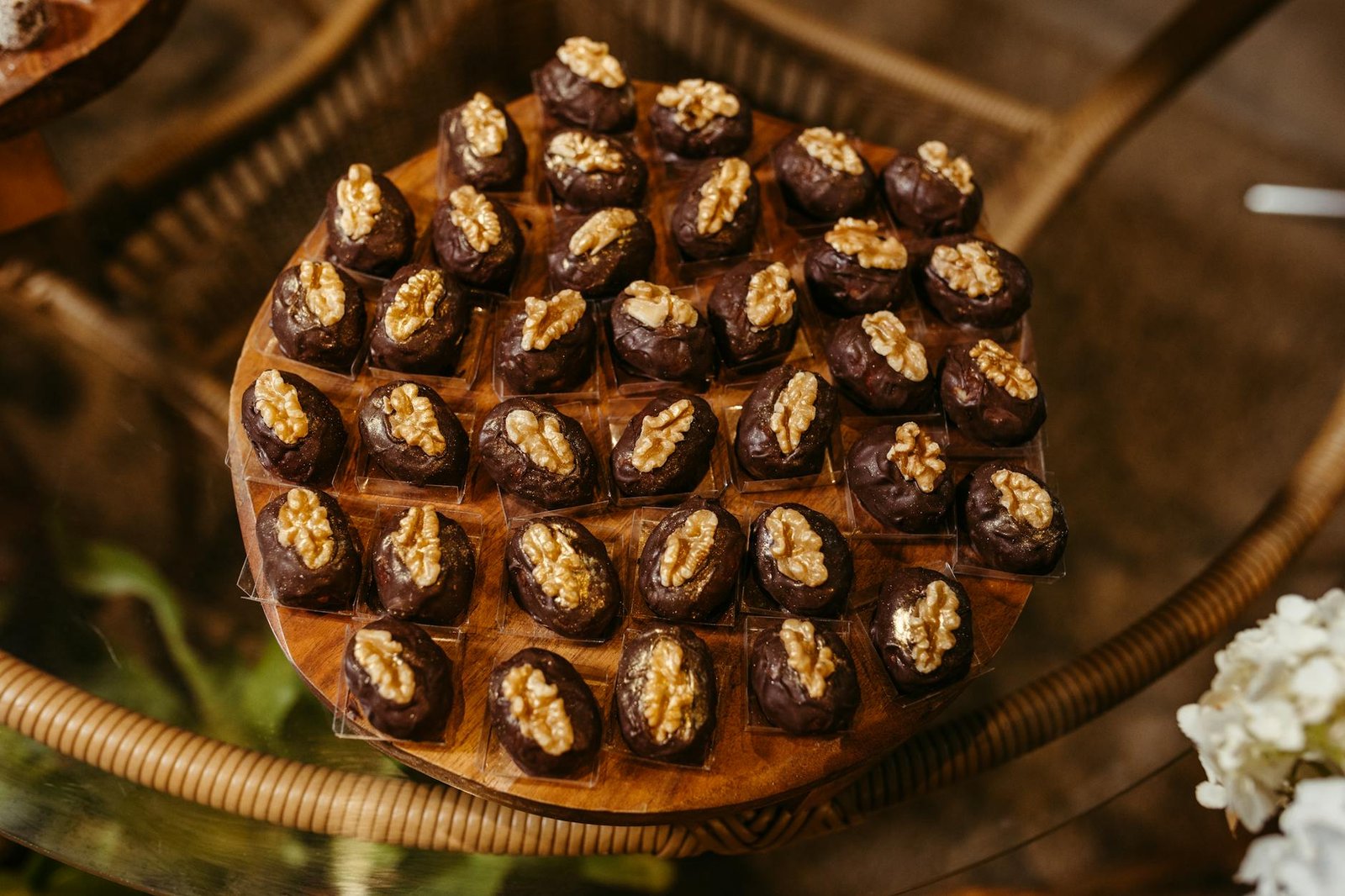
Recipe 2: Walnut-Date Energy Balls
Forget protein bars filled with unpronounceable ingredients. These little powerhouses deliver sustained energy from whole food sources.
Ingredients:
- 1 cup pitted Medjool dates
- 1 cup raw walnuts
- 3 tablespoons ground flaxseed
- 2 tablespoons cocoa powder
- 1 teaspoon vanilla extract
- Pinch of sea salt
- Unsweetened shredded coconut for rolling
Preparation:
Toss dates and walnuts into a food processor. Pulse until the mixture looks crumbly but sticks together when pressed.
Add flaxseed, cocoa powder, vanilla, and salt. Pulse again until everything combines into a dough-like consistency.
Roll the mixture into tablespoon-sized balls. Roll each ball in shredded coconut if you want extra flavor and texture.
Store them in the fridge for up to two weeks.
Why it works:
Dates provide natural sweetness and essential minerals like potassium and magnesium. Walnuts deliver those critical omega-3s. Unlike processed snacks that spike your blood sugar and leave you crashing, these balls keep energy levels steady throughout the day.
Loma Linda residents often grab these before morning walks or between their two main meals.
Recipe 3: Hearty Vegetable Barley Soup
Soups play a massive role in Blue Zone eating patterns. They fill you up, hydrate you, and pack vegetables into every spoonful.
Ingredients:
- 1 cup pearl barley
- 8 cups low-sodium vegetable broth
- 2 carrots, diced
- 2 celery stalks, chopped
- 1 large onion, chopped
- 3 cloves garlic, minced
- 2 cups chopped kale
- 1 cup diced tomatoes
- 1 teaspoon dried thyme
- 1 teaspoon dried rosemary
- 2 bay leaves
- Black pepper to taste
- 2 tablespoons olive oil
Preparation:
Heat olive oil in a large pot over medium heat. Add onion, carrots, and celery. Sauté for about five minutes until they start softening.
Add garlic and cook for another minute. Pour in the vegetable broth and bring everything to a boil.
Add barley, tomatoes, thyme, rosemary, and bay leaves. Reduce the heat and simmer for 40 minutes, stirring occasionally.
Toss in the kale during the last 10 minutes of cooking. Remove bay leaves before serving.
Why it works:
Barley provides soluble fiber that helps lower cholesterol. The rainbow of vegetables delivers antioxidants that fight inflammation. This soup satisfies hunger without packing excessive calories, making it perfect for the light dinner that Loma Linda residents prefer.
Recipe 4: Quinoa Tabbouleh With Chickpeas
Middle Eastern flavors meet Blue Zone nutrition in this fresh, vibrant salad that works as a main dish or side.
Ingredients:
- 1 cup quinoa, cooked and cooled
- 1 can chickpeas, drained and rinsed
- 2 cups fresh parsley, finely chopped
- ½ cup fresh mint, chopped
- 3 medium tomatoes, diced
- 1 cucumber, diced
- 3 green onions, sliced
- ¼ cup fresh lemon juice
- 3 tablespoons olive oil
- 2 cloves garlic, minced
- ½ teaspoon cumin
- Salt and pepper to taste
Preparation:
Combine cooked quinoa, chickpeas, parsley, mint, tomatoes, cucumber, and green onions in a large bowl.
Whisk together lemon juice, olive oil, garlic, cumin, salt, and pepper in a small bowl.
Pour the dressing over the quinoa mixture and toss everything together. Let it sit for at least 30 minutes so the flavors can mingle.
Serve chilled or at room temperature.
Why it works:
Quinoa brings complete protein to the table—all nine essential amino acids your body can’t make on its own. Chickpeas add fiber and resistant starch that feeds beneficial gut bacteria. The fresh herbs provide antioxidants without adding calories. This dish proves that healthy food doesn’t have to be boring.
Recipe 5: Oatmeal Breakfast Bowl With Berries and Nuts
Breakfast sets the tone for your entire day. This Loma Linda staple keeps you satisfied until lunch without weighing you down.
Ingredients:
- 1 cup steel-cut oats
- 3 cups water or unsweetened almond milk
- 1 cup mixed berries (blueberries, strawberries, raspberries)
- 2 tablespoons chopped almonds
- 2 tablespoons ground flaxseed
- 1 tablespoon almond butter
- Cinnamon to taste
- Optional: drizzle of pure maple syrup
Preparation:
Bring water or almond milk to a boil in a medium saucepan. Add oats and reduce the heat to low.
Simmer for 20-25 minutes, stirring occasionally, until the oats reach your desired consistency.
Transfer to a bowl and top with berries, almonds, flaxseed, and almond butter. Sprinkle cinnamon over everything.
Why it works:
Steel-cut oats digest more slowly than instant varieties, preventing blood sugar spikes. Berries deliver anthocyanins that protect brain health as you age. The nuts and seeds add healthy fats that help you absorb fat-soluble vitamins.
Many Loma Linda centenarians start every morning with some version of this bowl. Coincidence? Probably not.
Recipe 6: Baked Sweet Potato With Black Bean Chili
This comfort food classic gets a Blue Zone makeover that doesn’t sacrifice an ounce of flavor.
Ingredients:
For the sweet potatoes:
- 4 medium sweet potatoes
For the chili:
- 2 cans black beans, drained and rinsed
- 1 can diced tomatoes
- 1 onion, chopped
- 1 bell pepper, diced
- 2 cloves garlic, minced
- 1 tablespoon chili powder
- 1 teaspoon cumin
- ½ teaspoon smoked paprika
- 1 cup vegetable broth
- 2 tablespoons olive oil
- Fresh cilantro for garnish
- Sliced avocado for topping
Preparation:
Preheat oven to 400°F. Pierce sweet potatoes with a fork and bake directly on the oven rack for 45-60 minutes until tender.
While potatoes bake, heat olive oil in a large pot. Sauté the onion and bell pepper for five minutes. Add garlic and cook for one more minute.
Add black beans, tomatoes, chili powder, cumin, paprika, and vegetable broth. Bring to a boil, then reduce the heat and simmer for 20 minutes.
Split open the baked sweet potatoes and top generously with black bean chili. Add cilantro and avocado.
Why it works:
Sweet potatoes pack beta-carotene and vitamin C. Black beans deliver protein and fiber that support digestive health. This meal provides complex carbohydrates that fuel your body without causing inflammatory responses.
It’s hearty enough to satisfy anyone skeptical about plant-based eating.
Recipe 7: Mediterranean Chickpea Salad Sandwich
Sandwiches don’t have to center around deli meat to be satisfying. This version proves the point deliciously.
Ingredients:
- 2 cans chickpeas, drained and rinsed
- ¼ cup tahini
- 2 tablespoons lemon juice
- 2 celery stalks, finely chopped
- ¼ red onion, minced
- 2 tablespoons chopped fresh dill
- 1 tablespoon Dijon mustard
- Salt and pepper to taste
- Whole-grain bread
- Lettuce, tomato, and cucumber for serving
Preparation:
Mash chickpeas in a bowl with a fork or potato masher until about half are broken down, but some remain whole for texture.
Mix in tahini, lemon juice, celery, onion, dill, mustard, salt, and pepper. Stir until everything combines evenly.
Spread the chickpea mixture on whole-grain bread and top with fresh vegetables.
Why it works:
This recipe eliminates processed meats linked to increased disease risk. Tahini provides calcium and healthy fats. The chickpeas deliver satisfying protein that keeps hunger at bay for hours.
Pack this for lunch and watch your coworkers get jealous.
RELATED POST >> Top 25 Best Blue Zone Recipes: The 100-Year Diet
Recipe 8: Roasted Vegetable Buddha Bowl
Buddha bowls have become trendy, but Loma Linda residents were building balanced bowls decades before Instagram existed.
Ingredients:
- 1 cup cooked brown rice or farro
- 1 cup roasted broccoli florets
- 1 cup roasted sweet potato cubes
- 1 cup roasted Brussels sprouts, halved
- ½ cup cooked chickpeas
- ¼ cup hummus
- 2 tablespoons tahini
- 1 tablespoon lemon juice
- 1 teaspoon maple syrup
- Water to thin
- Sesame seeds for garnish
Preparation:
Preheat oven to 425°F. Toss broccoli, sweet potato, and Brussels sprouts with a bit of olive oil, salt, and pepper. Spread on baking sheets and roast for 25-30 minutes until caramelized.
While vegetables roast, whisk together tahini, lemon juice, maple syrup, and enough water to create a drizzleable consistency.
Build your bowl with brown rice as the base. Arrange roasted vegetables and chickpeas on top. Add a dollop of hummus and drizzle with tahini sauce. Sprinkle sesame seeds over everything.
Why it works:
This bowl delivers the perfect balance of complex carbs, plant protein, healthy fats, and fiber. The variety of colors indicates a spectrum of different antioxidants and phytonutrients. Each component supports different aspects of health, from gut bacteria to immune function.
Actually, you can swap vegetables based on what’s seasonal or available. The formula stays the same.
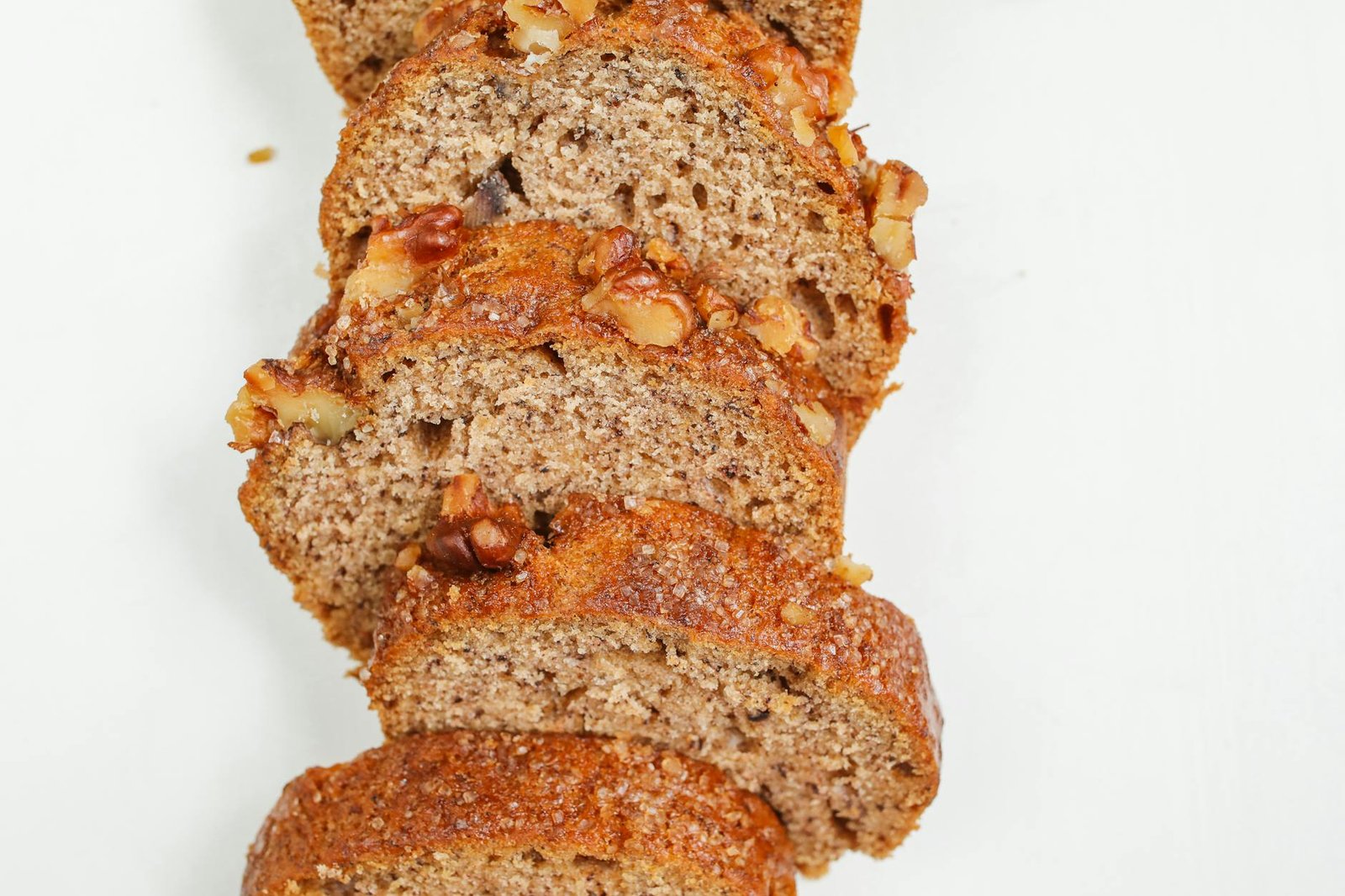
Recipe 9: Whole Wheat Banana Walnut Bread
Desserts in Loma Linda lean toward naturally sweet, nutrient-dense options. This bread qualifies as both a treat and a breakfast.
Ingredients:
- 3 ripe bananas, mashed
- ⅓ cup melted coconut oil
- ¼ cup pure maple syrup
- 2 tablespoons ground flaxseed mixed with 6 tablespoons water
- 1 teaspoon vanilla extract
- 1 teaspoon baking soda
- Pinch of salt
- 1 teaspoon cinnamon
- 1¾ cups whole wheat flour
- ½ cup chopped walnuts
Preparation:
Preheat oven to 325°F. Grease a standard loaf pan.
Mix flaxseed and water in a small bowl. Let it sit for five minutes.
In a large bowl, combine mashed bananas, melted coconut oil, maple syrup, flaxseed mixture, and vanilla.
Add baking soda, salt, and cinnamon. Mix well. Fold in flour until just combined—don’t overmix. Gently stir in walnuts.
Pour batter into the prepared loaf pan. Bake for 60-65 minutes until a toothpick inserted in the center comes out clean.
Cool in the pan for 10 minutes, then transfer to a wire rack.
Why it works:
This bread uses whole food sweeteners instead of refined sugar. Bananas provide potassium and natural sweetness. Walnuts add omega-3s and a satisfying crunch. It’s proof that eating for longevity doesn’t mean giving up everything that tastes good.
The Science Behind Blue Zone Eating Patterns
Researchers have studied Loma Linda extensively, trying to crack the code on why residents there consistently outlive their neighbors. The findings point to several dietary factors that work together synergistically.
Key principles include:
- Plant-forward eating that emphasizes whole foods
- Regular consumption of nuts, especially walnuts and almonds
- Whole grains instead of refined carbohydrates
- Legumes as primary protein sources
- Limited or no processed foods
- Moderate portions, especially at dinner
- Consistent meal timing
Notice what’s missing from that list? Trendy superfoods that cost a fortune. Complicated eating schedules. Calorie counting. Meal replacement shakes.
The Loma Linda approach is refreshingly simple. Eat real food. Mostly plants. Not too much.
But there’s another layer that matters just as much as what goes on the plate.
Beyond The Recipes: The Community Factor
Food in Loma Linda isn’t just fuel. It’s a social connector.
Adventists gather regularly for potluck meals where everyone contributes a dish. These gatherings reinforce relationships, reduce isolation, and create accountability for healthy choices.
Research shows that people who eat alone make poorer food choices and eat faster, which interferes with satiety signals. The communal aspect of Loma Linda’s food culture naturally combats these issues.
When you make these recipes, consider inviting someone to share them with you. The health benefits multiply when meals become shared experiences.
Common Pitfalls When Adopting Blue Zone Eating
People get excited about longevity diets, then stumble over the same obstacles repeatedly. Avoid these missteps:
Trying to change everything overnight: Start with one or two recipes. Build confidence before overhauling your entire kitchen.
Getting too rigid: Loma Linda residents don’t stress about occasional deviations. They follow the 80/20 principle—make healthy choices most of the time.
Ignoring personal preferences: If you hate lentils, don’t force yourself to eat a lentil loaf. Find legumes you actually enjoy. Adaptation beats adherence to recipes you dread.
Skipping meal prep: Blue Zone eating requires some planning. Set aside time on weekends to cook grains, chop vegetables, and prepare components.
Forgetting about enjoyment: These recipes should taste good to you. Experiment with seasonings and modifications until you find versions you genuinely look forward to eating.
How To Stock Your Pantry For Blue Zone Cooking
Success with these recipes becomes easier when your kitchen contains the right staples.
Pantry essentials:
- Brown rice, quinoa, and farro
- Dried lentils and various beans
- Rolled oats and steel-cut oats
- Whole wheat flour
- Nuts (walnuts, almonds, cashews)
- Seeds (flax, chia, sesame)
- Tahini and nut butters
- Low-sodium vegetable broth
- Canned tomatoes
- Olive oil and coconut oil
- Herbs and spices
Refrigerator staples:
- Fresh vegetables (rotate seasonally)
- Fresh fruits (especially berries)
- Hummus
- Unsweetened plant milk
- Fresh herbs
- Garlic and onions
Freezer helpers:
- Frozen berries
- Frozen vegetables for quick meals
- Cooked beans in portions
- Extra servings of soups and loaves
With these ingredients on hand, you can throw together a Blue Zone meal even on your busiest days.
Adapting These Recipes For Your Lifestyle
Not everyone lives in sunny Southern California with access to farmers’ markets year-round. That’s fine. These recipes adapt easily.
For cold climates: Emphasize heartier dishes like the barley soup and lentil loaf during winter months. Root vegetables store well and work perfectly in Buddha bowls.
For busy schedules: Double or triple recipes and freeze portions. The soup, lentil loaf, and energy balls all freeze beautifully.
For families with kids: Get children involved in preparation. Kids who help cook are more likely to try new foods. The banana bread and energy balls make great gateway recipes for picky eaters.
For athletes: Increase portion sizes and add more calorie-dense ingredients like avocado, nuts, and seeds. The underlying principles still apply.
For those on tight budgets: Beans, lentils, oats, and seasonal vegetables rank among the most affordable foods available. Blue Zone eating actually costs less than a typical American diet heavy in meat and processed foods.
Making Blue Zone Eating Stick
Knowledge doesn’t create change. Consistent action does.
Here’s how to make these recipes part of your regular rotation instead of a brief experiment:
Schedule specific meals: Don’t just say, “I’ll try these sometime.” Put “Quinoa Tabbouleh for Tuesday lunch” on your calendar.
Track how you feel: Notice your energy levels, digestion, and overall well-being after eating these meals. The positive feedback reinforces the habit.
Find your favorites: Not every recipe will resonate equally. Identify your top three and master those before expanding.
Adapt to your taste: If something needs more garlic or different seasonings to make you happy, change it. These are templates, not commandments.
Connect with others: Find friends or family members interested in this approach. Share meals, swap recipe modifications, and encourage each other.
The Bigger Picture Of Longevity
Food matters tremendously, but Loma Linda residents also prioritize other longevity factors:
- Regular physical activity, often through walking
- Strong social connections and community involvement
- Spiritual practices and stress management
- Purpose and contribution to something beyond themselves
- Adequate sleep and rest
The recipes in this post give you one powerful tool. Combine them with movement, relationships, rest, and purpose, and you’re basically following the complete Blue Zone playbook.
That’s not a bad way to approach life.
Meal Planning With Blue Zone Recipes
To help you visualize how these recipes fit into a weekly routine, here’s a sample plan:
| Day | Breakfast | Lunch | Dinner |
|---|---|---|---|
| Monday | Oatmeal Bowl | Chickpea Salad Sandwich | Vegetable Barley Soup |
| Tuesday | Banana Walnut Bread | Quinoa Tabbouleh | Buddha Bowl |
| Wednesday | Oatmeal Bowl | Leftover Soup | Sweet Potato w/ Chili |
| Thursday | Banana Walnut Bread | Buddha Bowl | Lentil Loaf w/ Salad |
| Friday | Oatmeal Bowl | Leftover Lentil Loaf | Quinoa Tabbouleh |
| Weekend | Oatmeal Bowl | Chickpea Salad Sandwich | Sweet Potato w/ Chili |
Notice the intentional repetition. Eating the same healthy breakfast all week simplifies decisions and grocery shopping. Lunch incorporates leftovers from dinner prep. This approach reduces stress and food waste while maintaining variety.
Snacks throughout the week can include the walnut-date energy balls, fresh fruit, raw vegetables with hummus, or a handful of nuts.
The Cost Factor: Blue Zone Eating On Any Budget
One persistent myth suggests healthy eating requires premium prices. The Loma Linda approach proves otherwise.
Beans, lentils, and whole grains cost pennies per serving. Seasonal vegetables run cheaper than packaged snacks. Nuts seem expensive per pound, but deliver incredible value when you consider that a small handful provides substantial nutrition.
A batch of lentil loaf costs roughly $6 and serves six people. That’s a dollar per serving for a protein-rich main dish. Try matching that with conventional meat-based meals.
The banana bread uses three overripe bananas that most people would throw away. The vegetable soup transforms humble ingredients into something greater than the sum of its parts.
Real food costs less than fake food pretending to be convenient.
Frequently Asked Questions
Do I have to become completely vegetarian to benefit from Blue Zone recipes?
Not at all. Many Loma Linda residents include small amounts of fish in their diets. The key is making plants the foundation of your meals rather than an afterthought. Even adding a few of these recipes to your rotation while reducing meat consumption delivers measurable health benefits.
How quickly will I notice changes from eating this way?
Most people report better energy and digestion within two weeks. Blood pressure and cholesterol improvements typically show up within one to three months. The longevity benefits accumulate over years and decades of consistent eating patterns.
Can I lose weight by eating Blue Zone recipes?
Many people naturally lose excess weight when switching to whole food, plant-based meals. These foods provide more volume and fiber with fewer calories compared to processed options. However, weight loss isn’t the primary goal—improved health span is.
Are these recipes suitable for diabetics?
The emphasis on whole grains, legumes, and vegetables helps stabilize blood sugar better than refined carbohydrates. However, anyone with diabetes should monitor their individual responses and work with their healthcare provider when making dietary changes.
What if I don’t like cooking?
Start with the simplest recipes, like the energy balls or chickpea salad. Many Blue Zone dishes require minimal cooking skills. As you gain confidence, expand to recipes that involve more steps.
Do these recipes work for kids?
Absolutely. Children thrive on nutrient-dense whole foods. The banana bread and energy balls appeal to most kids immediately. Other recipes might require patience as young taste buds adapt to less sweet, less salty flavors than processed foods provide.
How do I handle social situations where Blue Zone options aren’t available?
Do your best, then move on. Loma Linda residents don’t stress about occasional restaurant meals or social gatherings. Consistency matters more than perfection. Make healthy choices when you control the menu and relax when you don’t.
Can I eat these recipes if I have food allergies?
Most recipes adapt easily. Nut allergies? Use seeds instead. Gluten sensitivity? Swap quinoa or rice for barley and use certified gluten-free oats. The principles matter more than specific ingredients.
What about protein? Am I getting enough?
The recipes include substantial protein from legumes, whole grains, nuts, and seeds. When you eat a variety of these foods throughout the day, you easily meet protein requirements. Many athletes thrive on plant-based diets that look similar to these recipes.
Is this expensive to maintain long-term?
Blue Zone eating typically costs less than standard American diets once you shift away from processed convenience foods and meat-heavy meals. Buying dried beans instead of canned, purchasing seasonal produce, and preparing larger batches reduces costs further.
Your Next Steps
You’ve got nine solid recipes that form the backbone of one of the world’s healthiest diets. Now what?
Pick one recipe that genuinely appeals to you. Buy the ingredients this weekend. Make it happen.
Don’t overthink this. Don’t wait for the perfect moment. Don’t convince yourself you need special equipment or skills.
Just cook one recipe.
Then pay attention to how you feel after eating it. Notice your energy level two hours later. Check in with your digestion. Observe your mood.
If it works for you, make it again next week. Add a second recipe when you’re ready.
The Loma Linda Blue Zone didn’t happen because people made massive overnight transformations. It evolved through consistent, sustainable choices repeated thousands of times.
Small actions compound into remarkable results when you stick with them long enough.
These recipes represent more than meal planning. They’re an invitation to join a pattern of eating that has helped real people live longer, healthier, and more vibrant lives.
The question isn’t whether these approaches work—decades of research confirm they do.
The question is whether you’ll actually use them.
Your kitchen is waiting. Your body will thank you. And who knows? Maybe you’ll end up being one of those people who make it to 100 with energy, clarity, and joy intact.
That seems worth a shot.
SUGGESTED POST >> 11 Easy Zone Recipes for Side Sleepers: Reflux-Free Rest