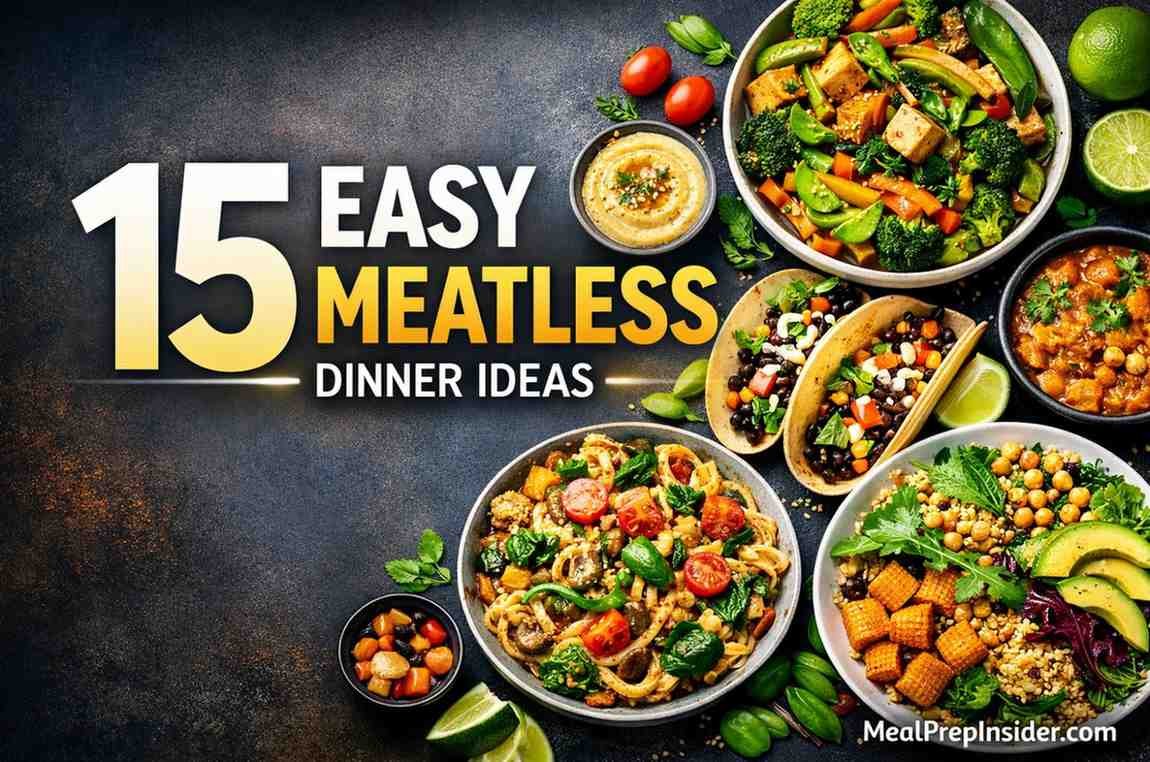
Meatless dinner ideas don’t have to mean sad salads or boring bean burgers.
Let me tell you something. Last Tuesday, I watched my hardcore carnivore brother go back for thirds of a vegetarian pasta dish. He didn’t even realize there was no meat until I told him afterward. His exact words? “Wait, seriously?”
That’s the thing about going meatless for dinner. When you do it right, nobody misses the meat. Not your kids. Not your skeptical spouse. Not even you.
And here’s what’s wild: Americans are ditching meat at dinner more than ever before. Not necessarily because they’ve gone full vegetarian, but because they’re discovering something the rest of us already know. Some of the most satisfying, flavor-packed dinners don’t need a single ounce of meat.
You’re about to discover fifteen dinner ideas that prove this point. No tofu lectures. No nutritional guilt trips. Just real food that tastes incredible and happens to be meatless.
Why Meatless Dinners Are Having a Moment Right Now
Something shifted in American kitchens over the past few years.
Meatless Monday became a thing. Then it became every Monday. Then Wednesdays got added. Now, millions of households are serving plant-based dinners multiple times a week without making it their whole personality.
The reasons vary. Some people want to save money (and meat prices aren’t exactly dropping). Others care about the environmental stuff. Many just feel better when they eat less meat.
But honestly? Most people are doing it because these meals taste phenomenal.
The old vegetarian stigma died somewhere between 2015 and now. Nobody’s serving flavorless grain bowls and calling it dinner anymore. We’ve figured out how to make vegetables the star of the show without sacrificing satisfaction.
The Real Benefits Nobody Talks About
Sure, you’ll save money. A pound of ground beef costs significantly more than a can of chickpeas. Basic math.
But here’s what surprised me: meatless dinners are often faster. No worrying about internal temperatures. No cross-contamination anxiety. No “is this chicken cooked through?” panic.
They’re also more forgiving. Overcooked pasta is still edible. Overcooked chicken is shoe leather.
Your grocery bill drops noticeably. Your digestion improves. You sleep better (heavy meat dinners can mess with your sleep more than you’d think). And you expand your cooking repertoire in ways that make you a more interesting cook overall.
Plus, leftovers actually taste better the next day. Vegetarian dishes often develop more flavor overnight.
What Makes a Meatless Dinner Actually Satisfying
Here’s where most people mess up.
They remove the meat and call it a day. Then wonder why everyone’s hungry an hour later, raiding the pantry for snacks.
A satisfying meatless dinner needs three things: protein, substance, and serious flavor.
Protein sources include:
- Beans and lentils
- Eggs and dairy
- Nuts and seeds
- Whole grains like quinoa and farro
- Tofu and tempeh (yes, they’re good when prepared correctly)
Substance comes from:
- Starchy vegetables like potatoes and sweet potatoes
- Whole grains and pasta
- Hearty vegetables like eggplant and mushrooms
- Cheese and eggs
Flavor is non-negotiable:
- Fresh herbs in abundance
- Good quality olive oil
- Acids like lemon juice and vinegar
- Aromatics like garlic, ginger, and onions
- Spices that pack a punch
Get these three elements right, and nobody’s asking where the meat is.
1. Sheet Pan Roasted Vegetable Fajitas
The beauty of fajitas is that the seasoning does the heavy lifting.
Slice up bell peppers, onions, and portobello mushrooms. Toss them with olive oil, cumin, chili powder, garlic powder, and a squeeze of lime. Spread everything on a sheet pan.
Roast at 425°F for about 25 minutes.
While that’s happening, warm your tortillas and prep your toppings. Guacamole, sour cream, salsa, cilantro, lime wedges. The usual suspects.
The mushrooms provide that meaty texture carnivores crave. The charred vegetables bring smokiness. The spices make everything sing.
Total time from start to finish: 35 minutes. One pan to clean. Zero complaints from the dinner table.
2. Creamy Tomato Pasta with Burrata
Sometimes simplicity wins.
Cook your favorite pasta according to package directions. While it’s boiling, make the sauce: sauté minced garlic in olive oil until fragrant. Add a can of crushed tomatoes, a splash of heavy cream, salt, red pepper flakes, and fresh basil.
Let it simmer for 10 minutes.
Toss the cooked pasta with the sauce. Serve in bowls with torn burrata on top. Drizzle with good olive oil.
That’s it. That’s the whole recipe.
The burrata melts into the hot pasta, creating additional creaminess. The tomato sauce is bright and slightly spicy. It’s restaurant-quality food made in the time it takes to boil pasta.
3. Black Bean and Sweet Potato Buddha Bowls
Buddha bowls sound fancy, but they’re basically everything-in-a-bowl dinners.
Roast cubed sweet potatoes with olive oil and paprika until caramelized. Cook black beans with cumin and garlic. Make some quinoa or rice.
Assemble: grains on the bottom, sweet potatoes and beans arranged on top, add some greens (spinach or kale works great), avocado slices, and a drizzle of tahini dressing.
The tahini dressing is crucial: mix tahini, lemon juice, garlic, and enough water to make it pourable. Season with salt.
Every bite gives you different flavors and textures. The sweet potatoes are soft and sweet. The black beans are earthy. The tahini adds nuttiness and creaminess.
These bowls are also incredibly customizable. Add roasted chickpeas for crunch. Throw in some pickled onions for tang. Use different grains or beans depending on what’s in your pantry.
4. Spinach and Ricotta Stuffed Shells
Comfort food doesn’t require meat.
Cook jumbo pasta shells until al dente. Mix ricotta with frozen spinach (thawed and squeezed dry), parmesan, an egg, nutmeg, salt, and pepper.
Stuff each shell with the ricotta mixture. Arrange them in a baking dish over a layer of marinara sauce. Top with more sauce and mozzarella.
Bake at 375°F for about 30 minutes until bubbly and golden.
The shells get tender. The cheese mixture becomes creamy. The edges get slightly crispy. It’s everything a baked pasta should be.
Make extra and freeze them before baking. In the future, you will be grateful when you need dinner in a hurry.
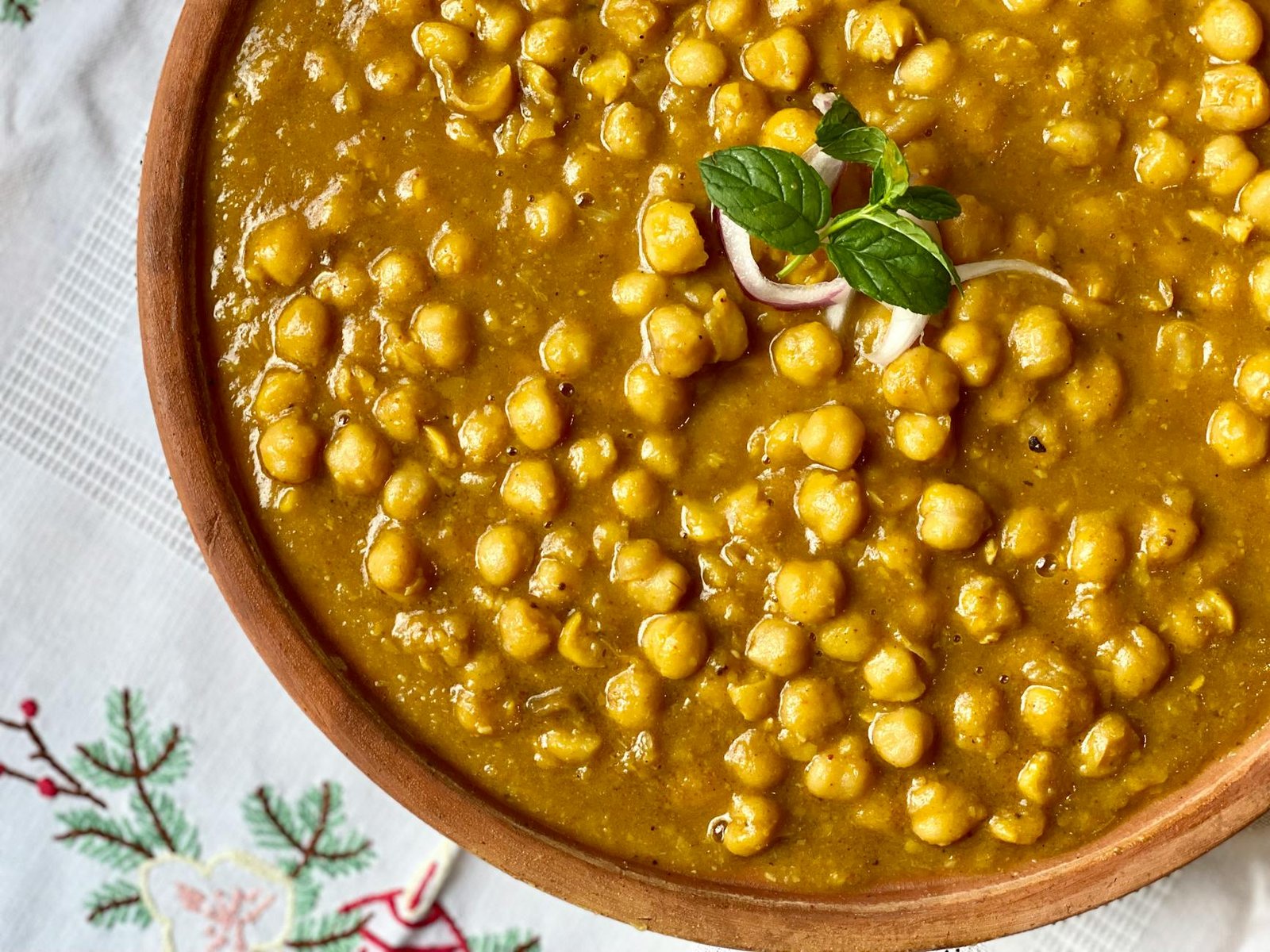
5. Chickpea Curry with Coconut Milk
Indian-inspired curries are meatless dinner goldmines.
Sauté diced onions until soft. Add minced garlic, grated ginger, curry powder, cumin, and turmeric. Let the spices bloom for a minute.
Pour in a can of diced tomatoes and a can of coconut milk. Add drained chickpeas. Simmer for 15 minutes.
Finish with fresh cilantro and a squeeze of lime.
Serve over basmati rice or with warm naan bread.
The coconut milk makes the curry rich and slightly sweet. The spices provide warmth without overwhelming heat. The chickpeas are hearty and filling.
This is one of those dishes that tastes even better the next day, making it perfect for meal prep.
6. Caprese Grilled Cheese with Pesto
Elevate the humble grilled cheese.
Spread pesto on the outside of sourdough bread slices (yes, outside). Layer fresh mozzarella, thick tomato slices, and fresh basil inside.
Grill in a pan until the bread is golden and crispy, and the cheese melts.
The pesto on the outside creates an incredibly flavorful, crispy crust. The inside is gooey, fresh, and bright.
Serve with tomato soup or a simple arugula salad.
It takes maybe 10 minutes, but it feels special enough for guests.
7. Veggie-Loaded Fried Rice
Chinese takeout at home, minus the meat, plus more vegetables.
Use day-old rice (fresh rice gets mushy). Heat oil in a wok or large skillet over high heat. Scramble a couple of eggs and set aside.
Stir-fry chopped vegetables: carrots, peas, bell peppers, green onions. Add the rice and break up any clumps. Pour in soy sauce and sesame oil.
Toss in the scrambled eggs.
The key is high heat and constant movement. You want that slightly charred, restaurant-style flavor.
Add cashews or peanuts for crunch. Use whatever vegetables need to be used up in your fridge.
8. Mediterranean Quinoa-Stuffed Peppers
Bell peppers become edible bowls.
Cut bell peppers in half lengthwise and remove seeds. Cook quinoa according to package directions. Mix the cooked quinoa with diced tomatoes, cucumbers, red onion, kalamata olives, feta cheese, and a lemon-olive oil dressing.
Stuff the mixture into the pepper halves. Bake at 375°F for about 20 minutes.
The peppers soften but maintain some texture. The quinoa mixture is fresh and Mediterranean-inspired. The feta adds saltiness and creaminess.
These are great served warm or at room temperature, making them perfect for summer dinners.
9. Eggplant Parmesan Done Right
Yes, it takes a bit more effort. It’s worth every minute.
Slice eggplant into rounds, salt them, and let them sit for 30 minutes (this removes bitterness). Pat dry. Dip in flour, then beaten egg, then breadcrumbs mixed with parmesan.
Bake the breaded eggplant at 400°F until golden instead of frying (fewer calories, less mess).
Layer in a baking dish: marinara sauce, baked eggplant, and mozzarella. Repeat. Top with extra cheese and fresh basil.
Bake until bubbly, about 25 minutes.
The eggplant becomes tender and almost meaty in texture. The crispy coating adds textural contrast. The cheese and sauce bring comfort.
10. White Bean and Kale Soup
Soup for dinner is underrated.
Sauté diced onions, carrots, and celery in olive oil. Add minced garlic, dried thyme, and red pepper flakes. Pour in vegetable broth and add cannellini beans.
Simmer for 15 minutes. Add chopped kale and let it wilt.
Finish with a drizzle of good olive oil and grated Parmesan.
Serve with crusty bread for dipping.
It’s cozy and nourishing without being heavy. The beans provide protein. The kale adds nutrients. The broth is flavorful and comforting.
Make a big batch and freeze individual portions.
11. Veggie Tacos with All the Fixings
Tacos adapt beautifully to meatless eating.
Roast seasoned cauliflower and sweet potato chunks until caramelized. Or sauté mushrooms with taco seasoning. Or use seasoned black beans.
Warm corn tortillas. Set out toppings: shredded cabbage, pickled onions, avocado, cilantro, lime wedges, salsa, and sour cream.
Let everyone build their own tacos.
The fun is in the customization. Kids love taco bars. Adults appreciate the flexibility.
The vegetables, when properly seasoned and cooked until slightly charred, have incredible depth of flavor.
12. Mushroom Stroganoff
Creamy, rich, and absolutely satisfying.
Slice mixed mushrooms (cremini, shiitake, whatever looks good). Sauté them in butter until they release their moisture and get golden.
Add minced garlic and onions. Sprinkle with flour and cook for a minute. Pour in vegetable broth and let it thicken. Stir in sour cream and Dijon mustard.
Serve over egg noodles with fresh parsley.
The mushrooms provide that umami, meaty quality. The sauce is velvety and tangy. It’s comfort food that happens to be vegetarian.
Even mushroom skeptics tend to love this one.
13. Shakshuka with Crusty Bread
Middle Eastern flavors for dinner.
Simmer a spiced tomato sauce: sauté onions and bell peppers, add garlic, cumin, paprika, and canned tomatoes. Let it cook down until thick.
Make wells in the sauce and crack eggs directly into them. Cover and let the eggs poach in the sauce until the whites are set but the yolks are still runny.
Garnish with feta and fresh herbs.
Tear off chunks of bread and dip them into the sauce and runny yolks.
It’s messy, delicious, and feels exotic without requiring obscure ingredients.
14. Pesto Pasta with Roasted Vegetables
Pesto transforms everything it touches.
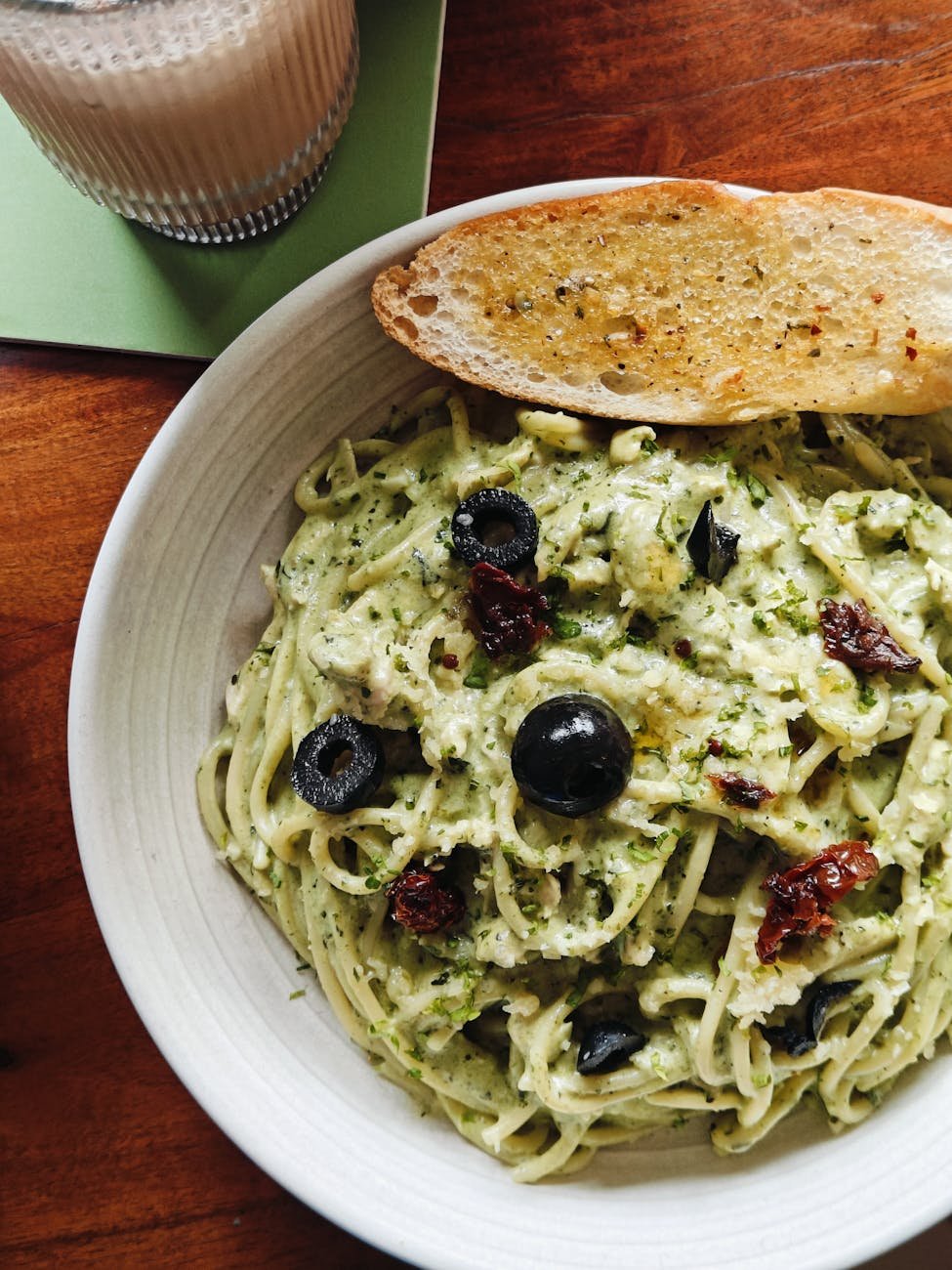
Roast cherry tomatoes, zucchini, and asparagus with olive oil and salt until caramelized. Cook pasta. Toss the hot pasta with store-bought or homemade pesto.
Add the roasted vegetables. Top with pine nuts and parmesan.
The roasted vegetables add sweetness and depth. The pesto brings herbaceous brightness. The pine nuts provide textural interest.
It comes together in the time it takes to cook pasta, but tastes like you spent hours on it.
15. Vegetarian Chili That Meat-Eaters Love
Chili doesn’t need meat to be hearty.
Sauté onions, bell peppers, and jalapeños. Add garlic, chili powder, cumin, and smoked paprika. Pour in crushed tomatoes, vegetable broth, and a variety of beans (black beans, kidney beans, pinto beans).
Simmer for at least 30 minutes. The longer, the better.
The secret: add a tablespoon of cocoa powder and a splash of apple cider vinegar. They deepen the flavor in unexpected ways.
Top with shredded cheese, sour cream, green onions, and tortilla chips.
The combination of beans provides different textures. The spices create complexity. The toppings add freshness and richness.
Common Pitfalls People Encounter with Meatless Dinners
Underseasoning is the biggest issue.
Meat has inherent flavor. Vegetables need help. Don’t be shy with salt, acids, and spices.
Not including enough protein leads to hunger an hour after dinner.
Every meatless meal should have a clear protein source. Beans, lentils, eggs, dairy, tofu—pick one and use it generously.
Assuming meatless means low-fat often results in bland food.
Fat carries flavor. Use olive oil, butter, cheese, nuts, and avocados liberally.
Overcooking vegetables makes them mushy and unappetizing.
Aim for vegetables that still have some texture. Nobody wants mushy zucchini.
Relying too heavily on fake meat products gets expensive and boring.
Whole foods should be the foundation. Processed meat substitutes are fine occasionally, but shouldn’t be the default.
RELATED POST >> 19 Easy Ham Dinner Sides Ideas: A Must-Try Quick Fix
Making Meatless Dinners Work for Your Family
Start with one meatless dinner per week.
Don’t announce it as “vegetarian night” (that can trigger resistance). Just serve delicious food that happens to be meatless.
Involve kids in prep. They’re more likely to eat vegetables they helped prepare.
Keep it simple at first. Don’t attempt complicated recipes when you’re starting. Pasta with marinara and a side salad counts.
Build a pantry of meatless staples: canned beans, pasta, rice, quinoa, vegetable broth, canned tomatoes, coconut milk, and various spices.
Batch cook beans and grains on Sundays. Having these ready makes weeknight meatless dinners much easier.
Don’t try to replicate meat dishes exactly. Embrace vegetables for what they are rather than making them pretend to be something else.
How to Shop for Meatless Meals
Your grocery trips get simpler and cheaper.
The produce section becomes your main stop. Buy what’s in season for better flavor and lower prices.
Stock up on these pantry items:
- Various dried beans and lentils
- Canned beans for quick meals
- Pasta in different shapes
- Rice, quinoa, and other grains
- Vegetable broth
- Canned tomatoes
- Coconut milk
- Soy sauce and other Asian condiments
- Spices and dried herbs
Keep these in your fridge:
- Eggs
- Various cheeses
- Fresh herbs
- Lemons and limes
- Tofu or tempeh
- Hummus and other dips
Freezer essentials:
- Frozen vegetables (especially spinach, peas, and mixed veggies)
- Frozen fruit for smoothies
- Extra bread
- Pre-made veggie burgers for emergencies
Shopping for meatless meals means skipping the meat counter entirely, which speeds up your grocery trips considerably.
Meal Planning for Meatless Success
Plan your week around what vegetables need to be used up.
Got bell peppers? Make fajitas or stuffed peppers. Spinach wilting? Throw it in pasta or make a frittata. Mushrooms getting soft? Stroganoff time.
Theme nights make planning easier:
- Monday: Pasta night
- Tuesday: Taco/burrito bar
- Wednesday: Soup and bread
- Thursday: Stir-fry or fried rice
- Friday: Pizza or flatbreads
Prep ingredients once, use them multiple ways. Roast a big batch of vegetables on Sunday and use them in grain bowls, pasta, sandwiches, and omelets throughout the week.
Double recipes and freeze half. In the future, you will appreciate the homemade frozen dinners.
The Environmental Angle (Without Getting Preachy)
Look, this isn’t a climate lecture.
But the numbers are interesting. Producing plant-based meals uses significantly less water and creates fewer emissions than meat-heavy meals.
If every American skipped meat one day a week, it would be like taking millions of cars off the road.
You don’t have to go full vegetarian to make an impact. A few meatless dinners per week add up.
Some people care deeply about this. Others don’t. Both groups can still enjoy phenomenal meatless dinners.
Budget Benefits You’ll Notice Immediately
Your grocery bills drop noticeably when you reduce meat consumption.
A pound of dried beans costs maybe two dollars and feeds a family multiple times. Ground beef costs six or seven times that.
Canned beans are still cheap, usually under a dollar per can.
Eggs remain one of the most affordable protein sources available.
In-season vegetables cost a fraction of meat prices.
The savings really add up if you’re cooking meatless dinners several times a week. Some families report saving $50-100 per week.
Use those savings for higher-quality ingredients elsewhere. Spring for the good olive oil. Buy organic produce. Get the fancy cheese.
Nutritional Advantages Worth Mentioning
Meatless dinners often mean more fiber.
Most Americans don’t get enough fiber. Vegetables, beans, and whole grains fix that quickly.
You naturally eat more vegetables when they’re the main event instead of a side thought.
Plant-based meals are typically lower in saturated fat, which benefits heart health.
The variety of nutrients expands when you eat different colored vegetables, various beans and grains, and diverse plant foods.
That said, make sure you’re getting complete nutrition. Include protein sources, healthy fats, and enough calories to feel satisfied.
How to Handle Skeptical Family Members
Some people resist meatless meals initially.
Don’t make a big deal about it. Just serve delicious food.
Start with familiar formats: tacos, pasta, chili, pizza. People are more open to meatless versions of foods they already love.
Let the food speak for itself. If it tastes good, resistance fades.
Avoid using the word “vegetarian” if it triggers eye-rolls in your house. Call it “taco night” instead of “meatless taco night.”
Get feedback and adjust. If your teenager hates mushrooms, skip the mushroom stroganoff and make something else.
Some people need time to adjust. Keep serving meatless meals regularly, and they become normal rather than special or weird.
Restaurant-Style Techniques for Home Cooks
Professional kitchens use tricks that make vegetables taste incredible.
High heat caramelizes vegetables, creating depth of flavor. Don’t be afraid to let them get golden and slightly charred.
Acid brightens everything. A squeeze of lemon or a splash of vinegar at the end makes flavors pop.
Fresh herbs should be used generously, not sprinkled timidly. Cilantro, basil, parsley—use whole handfuls.
Good olive oil makes a difference. Drizzle it over finished dishes for richness.
Salt in layers. Season the vegetables while cooking, season the sauce, taste, and adjust at the end.
Toast spices before adding liquids to unlock their full flavor potential.
Save pasta water to thin sauces and help them cling to noodles.
These techniques work for all cooking but especially elevate vegetable-focused meals.
Seasonal Eating Makes Everything Better
Winter calls for different meatless dinners than summer.
Winter months: hearty soups, baked pastas, roasted root vegetables, creamy risottos, bean stews.
Spring: fresh pesto, asparagus dishes, pea risotto, spring vegetable frittatas, lighter pasta dishes.
Summer: grain salads, gazpacho, grilled vegetable platters, fresh tomato pasta, vegetable tacos with lots of fresh toppings.
Fall: butternut squash anything, apple and brie sandwiches, mushroom dishes, root vegetable roasts, harvest grain bowls.
Shopping seasonally means better flavor and lower prices. Win-win.
Quick Wins for Busy Weeknights
Some nights you just need fast food.
Keep these super-quick options in your back pocket:
Scrambled eggs with vegetables and toast – 10 minutes, maximum.
Quesadillas with black beans and cheese – As fast as grilled cheese.
Pasta with jarred sauce, doctored up – Add fresh basil, good olive oil, red pepper flakes, and parmesan.
Hummus and vegetable plates – Not fancy, but totally acceptable as dinner with some pita and olives.
Fried rice with frozen vegetables – Faster than takeout.
Canned soup upgraded – Add fresh vegetables, herbs, a squeeze of lemon, and serve with good bread.
Nobody expects gourmet meals every single night. Sometimes, quick and simple wins.
The Role of Cheese in Meatless Cooking
Cheese is the secret weapon of vegetarian cooking.
It provides richness, protein, fat, and flavor complexity.
Different cheeses serve different purposes:
| Cheese Type | Best Uses | Flavor Profile |
|---|---|---|
| Parmesan | Pasta, risotto, soups | Sharp, nutty, salty |
| Mozzarella | Pizza, baked dishes, caprese | Mild, creamy, melty |
| Feta | Salads, grain bowls, Mediterranean dishes | Tangy, salty, crumbly |
| Ricotta | Stuffed pasta, spreads | Mild, creamy, slightly sweet |
| Goat cheese | Salads, pizzas, pasta | Tangy, creamy, earthy |
| Cheddar | Quesadillas, mac and cheese, soup | Sharp, bold, melty |
Don’t be shy with cheese in meatless cooking. It’s often what makes the meal feel substantial and satisfying.
Building Flavor Without Meat
Umami is the secret.
That savory, meaty flavor comes from more than just meat. You can create it with:
- Mushrooms (especially dried mushrooms rehydrated in water)
- Soy sauce and tamari
- Tomato paste
- Miso paste
- Nutritional yeast
- Aged cheeses
- Caramelized onions
- Worcestershire sauce (get the vegetarian version)
Layer these ingredients into your meatless meals, and nobody misses the meat.
FAQs About Meatless Dinners
How do I get enough protein without meat?
Beans, lentils, eggs, dairy, tofu, tempeh, nuts, and seeds all provide protein. A varied diet with these ingredients easily meets protein needs. Most Americans get more protein than necessary anyway.
Will I feel hungry after meatless dinners?
Not if you include enough protein, fat, and volume. Meals with beans or lentils, healthy fats from olive oil or avocado, and plenty of vegetables keep you full.
Are meatless dinners cheaper?
Generally, yes. Beans and lentils cost significantly less than meat. Even when buying quality produce and nice cheeses, most people save money with regular meatless meals.
Do kids like meatless dinners?
It depends on the kid and the meal. Familiar formats like pasta, tacos, and pizza work well. Involving kids in cooking increases acceptance. Don’t make it a battle—just serve good food.
Can I build muscle on a meatless diet?
Absolutely. Many athletes eat plant-based diets. The key is getting enough total protein and calories. Combine different protein sources throughout the day.
How do I make vegetables taste good?
Season generously, cook at high heat to caramelize, use good fats like olive oil or butter, add acid at the end, and don’t overcook. Fresh or dried herbs make a huge difference, too.
What if my family refuses to try meatless meals?
Start with meals that happen to be meatless rather than announcing them as vegetarian. Serve familiar favorites. Let the food prove itself. Most resistance fades when the meal tastes good.
Do I need special ingredients for meatless cooking?
Not really. Most meatless meals use common ingredients: pasta, beans, rice, vegetables, cheese, eggs, and basic spices. You probably have everything you need already.
How often should I serve meatless dinners?
Whatever works for you. Once a week is a great start. Some families have several meatless nights each week. There’s no right answer—it’s a matter of personal preference.
Can meatless dinners work for meal prep?
Perfectly. Many meatless dishes freeze well and taste great reheated. Soups, chilis, pasta bakes, and grain bowls are all excellent for meal prep.
Your Path Forward with Meatless Dinners
Start simple.
Pick one or two recipes from this list that sound appealing. Make them this week. See how it goes.
You’re not committing to vegetarianism. You’re just making dinner.
If the meal is a hit, add it to your rotation. If it flops, try a different one next time.
Build slowly. One meatless dinner becomes two. Two becomes three. Before you know it, you have a solid rotation of plant-based meals your family loves.
The goal isn’t perfection or purity. It’s discovering delicious dinners that happen to be meatless.
Your wallet will thank you. Your taste buds will be happy. Your kitchen skills will expand.
And who knows? You might become that person serving thirds to skeptical carnivores who don’t even realize they’re eating a meatless meal.
Because when food tastes this good, the labels don’t matter.
SUGGESTED POST >> 25 Simple Steak Dinner Ideas for 2: Perfect Romantic Date