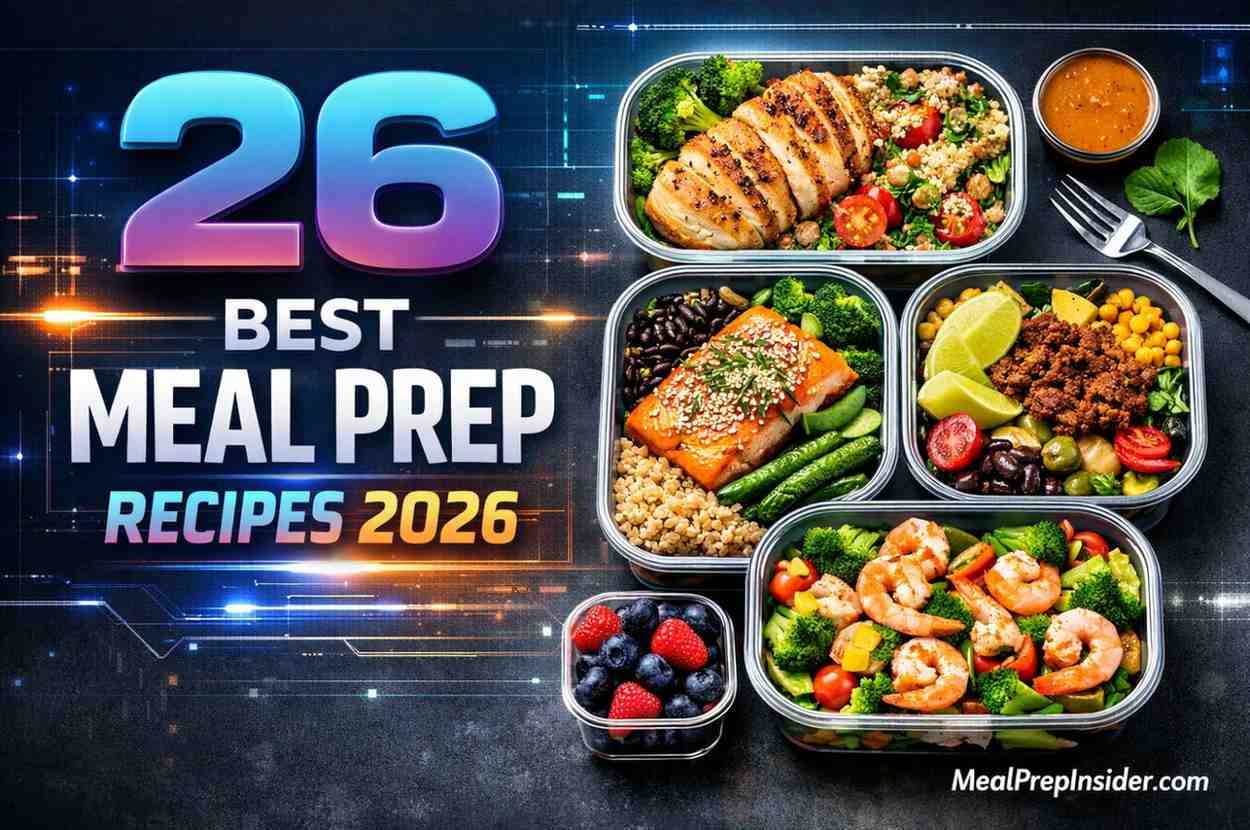
Best Meal Prep Recipes 2026: The best meal prep recipes transform your kitchen chaos into organized calm, and 2026 is bringing techniques that’ll revolutionize how you think about Sunday afternoon cooking sessions.
Stop right there.
Before you click away thinking this is another collection of bland chicken and rice combinations, let me tell you something that might surprise you. The meal prep game has evolved dramatically. We’re talking about recipes that taste better on day four than day one. We’re discussing flavor combinations that’ll make your coworkers jealous when you pop open that container at lunch.
Here’s what’s different now.
Traditional meal prepping felt like punishment. Eating the same rubbery grilled chicken breast five days straight? No thanks. But the recipes I’m sharing harness new preservation techniques, flavor-layering strategies, and actual science to keep your taste buds interested throughout the week.
You’re about to discover recipes that work specifically for American lifestyles, schedules, and taste preferences. These aren’t adapted European bento boxes or complicated dishes requiring ingredients from three specialty stores.
Let’s jump in.
Why Meal Prep Recipes Matter More Than Ever in 2026
Americans spend an average of $13 per lunch when eating out. That’s $3,380 annually if you’re grabbing food five days a week. Beyond the financial drain, there’s the time factor. Standing in line at Chipotle, scrolling through DoorDash options, waiting for orders—it adds up to hours every week.
The health aspect hits differently, too.
Restaurant portions contain 2-3 times more calories than home-cooked versions of the same meals. Sodium levels? Through the roof. Hidden sugars? They’re everywhere. When you control what goes into your meals, you control what goes into your body.
But here’s the thing people overlook: meal prep isn’t about restriction. It’s about freedom. Freedom from decision fatigue. Freedom from the 6 PM panic of “what’s for dinner?” Freedom from depending on whatever’s available when hunger strikes.
How to Choose the Right Meal Prep Recipes
Not every recipe works for preparation. Some foods turn soggy. Others develop weird textures. Certain ingredients separate or oxidize.
The recipes that work best share specific characteristics:
- They maintain or improve flavor over time
- Textures hold up through refrigeration and reheating
- Ingredients don’t bleed into each other
- They reheat evenly without hot or cold spots
- Nutritional balance stays intact throughout the week
Consider your equipment situation. If you only have a microwave at work, skip recipes requiring oven reheating. Living in a small apartment with limited fridge space? Prioritize recipes that stack efficiently.
Your actual cooking skills matter too. Be honest with yourself. If you’ve never successfully made a roux, maybe don’t start with a meal prep recipe that requires one as a base component.
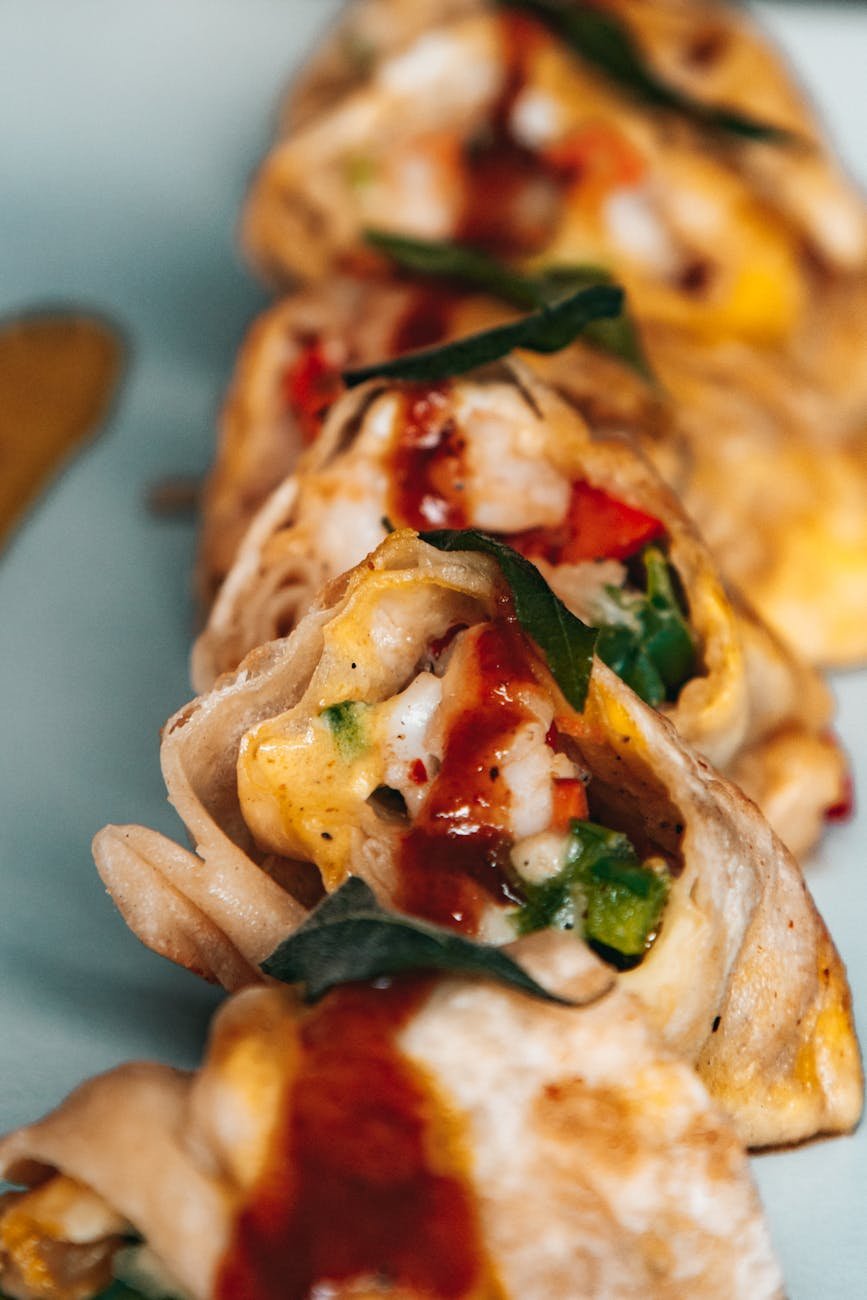
The 26 Best Meal Prep Recipes for 2026
1. Sheet Pan Fajita Bowls
The best meal prep recipes start with simplicity, and these fajita bowls deliver maximum flavor with minimal effort.
Slice bell peppers, onions, and chicken breast. Toss everything with cumin, chili powder, garlic powder, and lime juice. Roast on a single sheet pan at 425°F for 25 minutes. Serve over cilantro-lime rice with black beans.
Storage tip: Keep the rice separate from the protein and vegetables to maintain optimal texture. These last five days easily.
2. Mediterranean Quinoa Salad Jars
Layer these in mason jars for grab-and-go perfection. Start with lemon-tahini dressing at the bottom, then chickpeas, cucumber, cherry tomatoes, red onion, quinoa, and feta cheese on top.
The layering technique prevents sogginess. When you’re ready to eat, shake and enjoy. The flavors meld beautifully over time.
3. Korean Beef Bulgogi with Cauliflower Rice
Marinate thinly sliced beef in a mixture of soy sauce, brown sugar, sesame oil, garlic, and ginger. Quick-cook in a hot skillet. Pair with cauliflower rice for a low-carb option that reheats perfectly.
This recipe genuinely tastes better after the beef sits in its juices for a day or two.
4. Turkey Taco Stuffed Sweet Potatoes
Bake sweet potatoes until tender. Brown ground turkey with taco seasoning. Stuff the potatoes with turkey, top with shredded cheese, and store.
Reheat with a sprinkle of water to maintain moisture. Add fresh pico de gallo and avocado right before eating.
5. Teriyaki Salmon and Broccoli
Salmon reheats better than you think when done correctly. The secret? Don’t overcook it initially. Remove it from the heat when it’s slightly underdone in the center.
Glaze with homemade teriyaki sauce, roast at 375°F for 12-15 minutes alongside broccoli florets. Serve over brown rice.
6. Chicken Shawarma Bowls
Marinate chicken thighs in yogurt, lemon juice, garlic, cumin, paprika, and turmeric overnight. Roast until golden. Pair with hummus, cucumber-tomato salad, and warm pita.
Prep hack: Make a double batch of the marinade and freeze half for your next meal prep session.
7. Italian Sausage and Pepper Pasta
Cook pasta al dente—actually, a bit under al dente since it’ll continue absorbing sauce throughout the week. Brown Italian sausage with bell peppers and onions. Toss with marinara and the pasta.
The pasta absorbs flavor as it sits, creating a better taste with each passing day.
8. Chimichurri Steak Bowls
Grill steak to medium-rare and slice thin. The chimichurri sauce—made with parsley, oregano, garlic, red wine vinegar, and olive oil—acts as both marinade and dressing.
Serve with roasted sweet potatoes and a simple arugula salad. The acid in the chimichurri keeps everything tasting fresh.
9. Buffalo Chicken Wraps
Shred rotisserie chicken and toss with buffalo sauce. Wrap with lettuce, tomatoes, ranch dressing, and shredded carrots in whole wheat tortillas.
Storage tip: Wrap these tightly in foil to prevent them from drying out.
10. Vegetarian Curry Lentils
Cook red lentils in coconut milk with curry powder, turmeric, ginger, and garlic. Add spinach at the end. This protein-packed vegetarian option costs pennies per serving.
Curry flavors intensify over time, making day five taste even better than day one.
11. BBQ Chicken Quinoa Bowls
Mix shredded chicken with your favorite BBQ sauce. Serve over quinoa with roasted corn, black beans, and diced red onion.
Add fresh cilantro right before eating for a brightness boost.
12. Greek Chicken Meatballs
Ground chicken forms the base for these herb-packed meatballs. Mix with oregano, dill, garlic, and feta. Bake on a sheet pan.
Pair with tzatziki sauce, cucumber salad, and couscous. These freeze exceptionally well if you want to prep for longer than a week.
13. Shrimp Fried Rice
Use day-old rice for the best texture. Scramble eggs, then quick-cook shrimp. Add frozen peas and carrots, soy sauce, sesame oil, and the rice.
This comes together in 15 minutes flat and tastes authentic.
14. Mexican Street Corn Chicken
Coat chicken breasts in a mixture inspired by elote: mayo, lime juice, chili powder, and cotija cheese. Bake until cooked through.
Serve with cilantro-lime rice and black beans. The creamy coating keeps the chicken moist throughout the week.
15. Pesto Pasta with Chicken and Tomatoes
Toss cooked pasta with homemade or store-bought pesto, grilled chicken strips, cherry tomatoes, and mozzarella pearls.
Prep note: Add a tablespoon of pasta water to each container before storing to prevent the pesto from drying out.
16. Cajun Sausage and Vegetable Skillet
Slice andouille sausage and sauté with bell peppers, zucchini, and onions. Season heavily with Cajun spices.
Serve over rice or cauliflower rice. The sausage fat keeps everything flavorful and moist.
17. Asian Chicken Lettuce Wraps
Ground chicken cooked with ginger, garlic, soy sauce, and water chestnuts creates the filling. Store separately from butter lettuce cups to maintain crispness.
Assemble right before eating for maximum crunch.
18. Beef and Broccoli Stir-Fry
Slice the flank steak thin and coat it with cornstarch and soy sauce before cooking. This Chinese restaurant technique keeps the meat incredibly tender.
Make the brown sauce with soy sauce, oyster sauce, garlic, and ginger. Blanch broccoli separately.
19. Caprese Chicken
Top chicken breasts with fresh mozzarella, tomato slices, and basil. Drizzle with balsamic glaze after baking.
The moisture from the tomatoes and cheese keeps the chicken from drying out during storage.
20. Honey Garlic Pork Tenderloin
Marinate pork tenderloin in honey, soy sauce, garlic, and ginger. Roast until just done—145°F internal temperature.
Slice and serve with roasted Brussels sprouts and sweet potatoes. Pork tenderloin stays tender when you don’t overcook it.
21. Chicken Burrito Bowls
Layer rice, seasoned chicken, black beans, corn, salsa, cheese, and lettuce. Keep wet ingredients like salsa and sour cream separate until ready to eat.
This Chipotle copycat saves you $10+ per bowl.
22. Moroccan Chickpea Stew
Simmer chickpeas with tomatoes, sweet potatoes, raisins, and warming spices like cinnamon, cumin, and paprika.
This vegetarian option improves significantly as the flavors meld. Serve over couscous.
23. Sesame Ginger Chicken
Coat chicken thighs in a sticky sesame-ginger sauce made with soy sauce, honey, rice vinegar, and fresh ginger.
Pair with steamed green beans and jasmine rice. The dark meat stays moist all week.
24. White Bean and Turkey Chili
A lighter twist on traditional chili uses ground turkey, white beans, green chiles, and cumin.
Top with shredded cheese and Greek yogurt (instead of sour cream for extra protein). This freezes beautifully.
25. Lemon Herb Chicken with Asparagus
Marinate chicken in lemon juice, olive oil, garlic, and herbs. Roast with asparagus spears.
Serve over orzo pasta or quinoa. The bright lemon flavor prevents palate fatigue.
26. Sweet and Sour Meatballs
Mix ground pork and beef for meatballs. Make a sweet and sour sauce with pineapple juice, rice vinegar, brown sugar, and ketchup.
Serve over rice with bell peppers and pineapple chunks. Kids and adults both love this one.
Meal Prep Container Guide
Your containers matter more than you realize. Cheap containers warp in the microwave, lids don’t seal properly, and they stain within weeks.
Here’s what to look for:
Glass containers: Heavier but microwave-safe, oven-safe, and last forever. Perfect for recipes with tomato-based sauces that stain plastic.
BPA-free plastic: Lighter for transporting, affordable, and stackable. Good for cold salads and wraps.
Compartmented containers: Keep ingredients separated. Essential for recipes where you want to maintain different textures.
Mason jars: Excellent for salads, overnight oats, and soups. The narrow opening slows down oxidation.
Storage Duration Guidelines
| Food Type | Refrigerator Duration | Freezer Duration |
|---|---|---|
| Cooked chicken | 3-4 days | 2-3 months |
| Cooked beef | 3-4 days | 2-3 months |
| Cooked fish | 2-3 days | 2-3 months |
| Rice and grains | 4-6 days | 6 months |
| Cooked vegetables | 3-5 days | 10-12 months |
| Soups and stews | 3-4 days | 2-3 months |
Always label containers with preparation dates. What you think you’ll remember, you won’t.
Frequent Pitfalls People Encounter
Overcooking proteins: Chicken breasts cooked to 165°F initially will be 175°F+ after reheating. They’ll be dry and unappetizing. Pull the chicken at 160°F and let carryover cooking finish the job.
Ignoring flavor fatigue: Eating identical meals five days straight tests anyone’s willpower. Prep two or three different recipes and alternate them.
Forgetting about texture: Crispy foods don’t stay crispy. Fried items, toasted nuts, and crunchy vegetables should be added fresh, not prepped in advance.
Underseasoning: Refrigeration dulls flavors. Season more aggressively than you would for immediate consumption.
Poor reheating techniques: Add a tablespoon of water or broth before microwaving to create steam and prevent drying. Cover containers with a damp paper towel for even heating.
Skipping the cooling step: Putting hot food directly into the fridge raises the internal temperature, creating a breeding ground for bacteria. Cool food to room temperature first.
RELATED POST >> Healthy Lunch Meal Prep: Mastering Midday Nutrition
Time Management Strategies for Sunday Meal Prep
Set yourself up for success with a solid game plan.
9:00 AM – Planning and grocery shopping: Review recipes, create a shopping list, and hit the store when it’s less crowded.
11:00 AM – Prep work: Wash and chop all vegetables. Measure out spices and sauces. Marinate proteins.
12:00 PM – Start cooking: Begin with recipes requiring the longest cook time. While a casserole bakes, work on stovetop recipes.
2:00 PM – Assembly: Portion everything into containers. Label and store.
3:00 PM – Clean up and relax: Congratulations. Your week is handled.
Multitasking is your friend. Run multiple appliances simultaneously. While rice cooks in the rice cooker, roast vegetables in the oven, and cook protein on the stovetop.
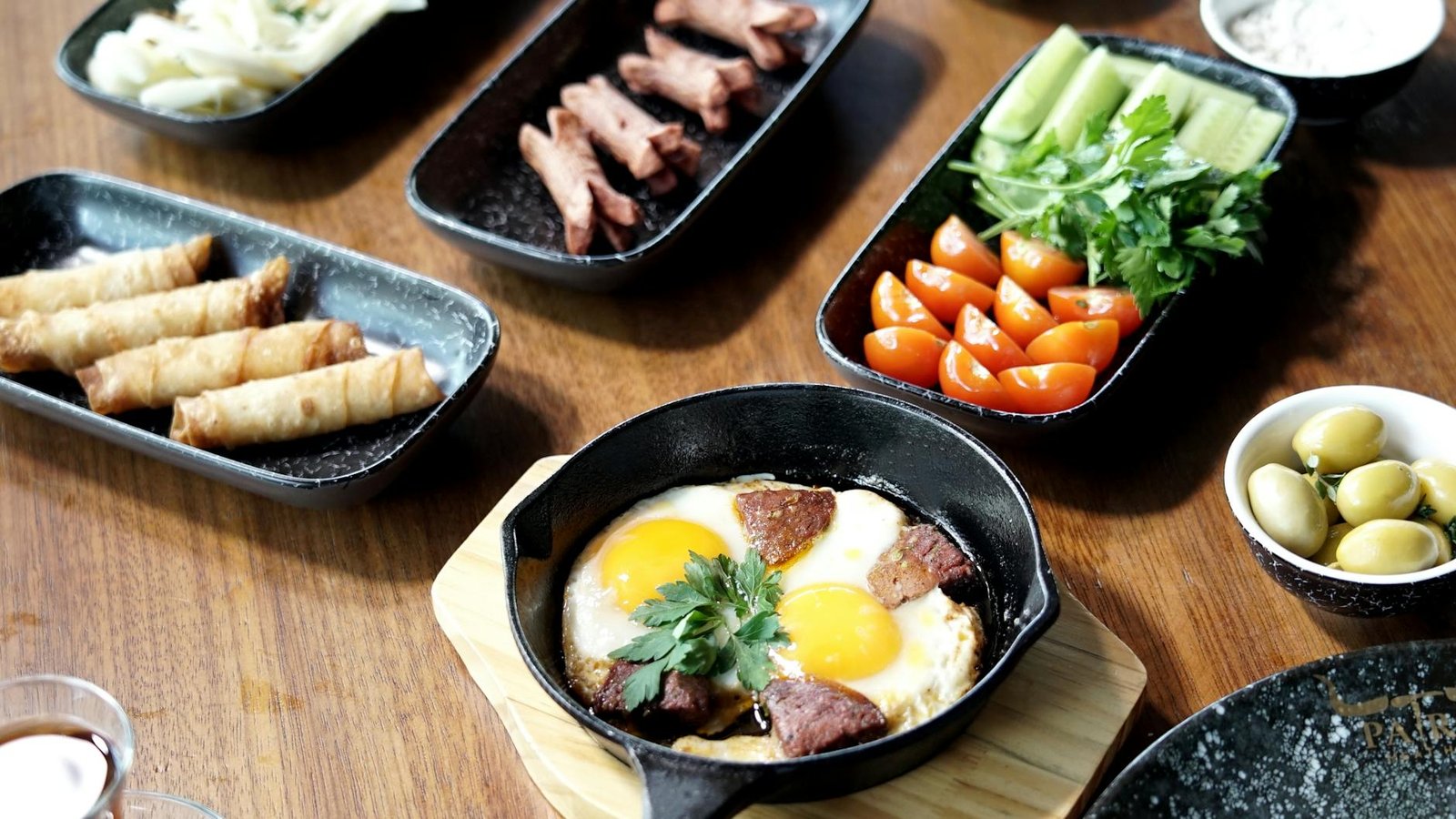
Scaling Recipes Up or Down
Most recipes serve 4-6 people. If you’re cooking for one, cut everything by a fourth or a third. Cooking for a family of five? Double everything.
Watch out for these adjustments:
Spices and seasonings: These don’t scale linearly. When doubling a recipe, use 1.5x the seasonings, taste, and adjust.
Cooking times: Doubling a recipe doesn’t double cooking time. A doubled casserole might need 50% more time, not 100% more.
Pan sizes: Overcrowding pans leads to steaming instead of roasting. Use multiple pans if necessary.
Budget-Friendly Meal Prep Tips
Meal prepping saves money, but you can maximize savings with strategic choices.
Buy proteins on sale and freeze them. Stock up when chicken breasts hit $1.99/lb or ground beef drops to $3.99/lb.
Embrace cheaper cuts. Chicken thighs cost half as much as breasts and taste better in most applications. Pork shoulder, beef chuck, and whole chickens stretch budgets further.
Seasonal vegetables cost less and taste better. Asparagus in spring, tomatoes in summer, squash in fall, root vegetables in winter.
Batch cook staples. Make a huge pot of rice, quinoa, or beans once and use throughout multiple recipes.
Flavor Boosting Techniques
The difference between meal prep you tolerate and meal prep you crave comes down to technique.
Marinate aggressively: Even 30 minutes makes a difference, but overnight is better.
Layer your seasonings: Season proteins before cooking, add herbs during cooking, finish with fresh herbs or acid after cooking.
Don’t skip the acid: Lemon juice, lime juice, vinegar, or pickled vegetables brighten flavors that get muted during storage.
Use aromatics liberally: Garlic, onions, ginger, and shallots create flavor foundations.
Toast your spices: Thirty seconds in a dry pan transforms ground spices from flat to complex.
Finish with fat: A drizzle of quality olive oil, a pat of butter, or a sprinkle of cheese right before eating elevates everything.
Reheating Like a Professional
Microwave reheating gets a bad reputation, but technique matters.
For rice and grain bowls: Sprinkle with water, cover loosely, microwave on 70% power to prevent hot spots.
For pasta dishes: Add a splash of milk or broth, stir halfway through heating.
For proteins: Reheat on 50% power for twice as long. This gentle approach prevents rubberiness.
For soups and stews: Transfer to a pot and reheat on the stovetop for best results. If microwaving, stir every minute.
For dishes with crispy components: Use a toaster oven or air fryer instead of a microwave.
Nutrition Optimization
Meal prep gives you complete control over nutritional content.
Protein targets: Aim for 25-30g protein per meal to maintain muscle mass and satiety.
Vegetable volume: Half your container should be vegetables. This adds fiber, vitamins, and volume without excessive calories.
Healthy fats: Include sources like avocado, nuts, seeds, or olive oil for hormone production and nutrient absorption.
Complex carbohydrates: Choose brown rice, quinoa, sweet potatoes, or whole-grain pasta over refined options.
Sodium awareness: Restaurant meals can pack 2000mg+ sodium per serving. Home-cooked versions typically contain 400-600mg.
Adapting Recipes for Dietary Restrictions
These recipes work across various eating styles with minor modifications.
Low-carb adaptations: Swap rice for cauliflower rice, pasta for zucchini noodles, and potatoes for additional vegetables.
Vegetarian adaptations: Replace meat with beans, lentils, tofu, tempeh, or extra vegetables.
Dairy-free adaptations: Use coconut milk instead of cream, nutritional yeast instead of cheese, and dairy-free yogurt in marinades.
Gluten-free adaptations: Choose rice noodles, corn tortillas, and gluten-free grains. Check soy sauce labels and opt for tamari when needed.
Meal Prep Beyond Lunch and Dinner
Don’t forget breakfast and snacks.
Breakfast options:
- Egg muffins with vegetables and cheese
- Overnight oats with various toppings
- Breakfast burritos wrapped and frozen
- Greek yogurt parfaits in jars
- Protein pancakes portioned and frozen
Snack ideas:
- Energy balls with dates and nuts
- Sliced vegetables with hummus
- Hard-boiled eggs
- Portion-controlled trail mix
- Homemade protein bars
Equipment That Makes Meal Prep Easier
You don’t need specialty equipment, but certain tools streamline the process.
Instant Pot or pressure cooker: Cooks rice, beans, and tough cuts of meat in a fraction of normal time.
Food processor: Chops vegetables in seconds instead of minutes.
Sheet pans: Multiple sheet pans allow simultaneous roasting of different components.
Rice cooker: Set it and forget it. Perfect rice every time.
Good knives: Sharp knives make prep work faster and safer.
Mixing bowls in various sizes: Organization prevents chaos during multi-recipe prep sessions.
How Meal Prep Supports Health Goals
The connection between meal prep and achieving health goals isn’t coincidental.
Weight loss: Pre-portioned meals eliminate guesswork around serving sizes. You consume what you planned, not what looked good in the moment.
Muscle building: Consistent protein intake throughout the day supports muscle protein synthesis. No more scrambling to hit protein targets.
Better digestion: Regular meal timing helps regulate digestive processes. Your body learns when to expect food.
Improved energy: Balanced macronutrients prevent blood sugar crashes that leave you reaching for candy or coffee.
Reduced stress: Decision fatigue drains mental energy. Eliminating daily food decisions preserves willpower for other areas.
Troubleshooting Common Issues
Problem: Everything tastes bland by Wednesday.
Solution: Store sauces and dressings separately. Add them right before eating for flavor impact.
Problem: Vegetables turn mushy.
Solution: Slightly undercook vegetables. They’ll finish cooking during reheating.
Problem: Rice becomes hard and dry.
Solution: Store rice separately from saucy components, or add a tablespoon of broth to each container.
Problem: Running out of fridge space.
Solution: Invest in stackable containers. Freeze half the batch if you’re prepping for more than four days.
Problem: Getting bored with the same flavors.
Solution: Prep different cuisines. Monday is Mexican, Tuesday is Asian, Wednesday is Italian, and Thursday is Mediterranean.
Taking Your Meal Prep to the Next Level
Once you master the basics, experiment with advanced techniques.
Sous vide cooking: Vacuum-seal proteins with seasonings and cook in a water bath. The result? Perfectly cooked, incredibly tender meat that reheats beautifully.
Fermented additions: Add kimchi, sauerkraut, or pickled vegetables for probiotic benefits and flavor complexity.
Homemade sauces: Store-bought works fine, but homemade teriyaki, peanut sauce, or curry paste elevates everything.
Grain variety: Beyond rice and quinoa, try farro, bulgur, barley, or wheat berries for different textures and nutrients.
Protein rotation: Don’t rely only on chicken. Rotate through turkey, pork, beef, fish, shrimp, and plant-based proteins.
The Mental Game of Meal Prep
Sustainability requires the right mindset.
Start small: Don’t prep seven days of three meals immediately. Begin with five lunches. Build from there.
Embrace imperfection: A meal that’s 80% of what you envisioned still beats ordering takeout.
Find your rhythm: Some people thrive on Sunday marathon prep sessions. Others prefer prepping twice weekly. Both work.
Make it enjoyable: Listen to podcasts, watch shows, or involve family members. Meal prep doesn’t have to be solitary drudgery.
Celebrate wins: Saved $50 this week? Resisted the vending machine? Acknowledge the victory.
Seasonal Recipe Adjustments
Ingredients vary by season. Adapt accordingly.
Spring: Incorporate asparagus, peas, artichokes, and fresh herbs. Lighter proteins like fish and chicken work well.
Summer: Take advantage of tomatoes, zucchini, corn, and berries. Grilling adds flavor without heating the kitchen.
Fall: Embrace squashes, sweet potatoes, apples, and heartier dishes. Soups and stews shine.
Winter: Root vegetables, citrus fruits, and braised meats provide comfort. Slow cooker recipes simplify prep.
Building a Meal Prep Routine That Sticks
Consistency beats intensity.
Choose a dedicated prep day: Most people pick Sunday, but Wednesday works if you prefer mid-week resets.
Block the time: Treat meal prep like an unmissable appointment. Put it on your calendar.
Prep your prep: Keep containers clean and accessible. Maintain a stocked pantry of basics.
Simplify decisions: Rotate through favorite recipes rather than finding new ones every week.
Track what works: Note which recipes you enjoyed and which fell flat. Build your personal greatest hits collection.
FAQs
How long does meal prep actually take?
Expect 2-3 hours for a full week of lunches and dinners when you’re starting. With practice, you’ll cut this to 90 minutes. Prepping just lunches takes 45-60 minutes.
Can I meal prep if I don’t have much cooking experience?
Absolutely. Start with simple recipes requiring minimal technique. Sheet pan meals, slow cooker recipes, and one-pot dishes are beginner-friendly and nearly foolproof.
Is meal prep safe? Won’t the food go bad?
Food stored properly in airtight containers at 40°F or below stays safe for 3-5 days for most items. Follow the storage duration guidelines provided earlier. When in doubt, freeze half.
Do I need to count calories when meal prepping?
Only if that aligns with your goals, many people find that meal prep helps naturally regulate portions without meticulous tracking. Others prefer the precision of knowing exact macros.
What if I get sick of eating the same thing?
Prep 2-3 different recipes and alternate them throughout the week. Use different sauces and toppings to create variety from the same base ingredients.
Can I meal prep and still eat out sometimes?
Of course. Meal prep provides options, not obligations. Having prepared food available makes eating out a choice rather than a necessity.
How do I keep vegetables from getting soggy?
Store wet and dry ingredients separately when possible. Pat vegetables dry after washing. Avoid overdressing salads in advance. Add crispy toppings right before eating.
Is it cheaper to meal prep or buy frozen meals?
Home meal prep typically costs $3-5 per serving. Quality frozen meals run $4-7. Frozen meals cost less but contain more sodium and preservatives. You control quality and ingredients with home prep.
Can I meal prep on a budget?
Definitely, buy proteins on sale, use cheaper cuts, embrace plant-based proteins, shop seasonal produce, and cook large batches of inexpensive staples like rice and beans.
What’s the best way to reheat meal-prepped food?
Depends on the dish. Microwave works for most meals if you add moisture and use lower power settings. Toaster ovens excel at maintaining texture. Stovetop reheating gives the best results for soups and pasta dishes.
The meal prep recipes you choose can transform not just your diet, but your entire relationship with food, time, and health. These 26 options provide variety, nutrition, and flavors that hold up throughout the week.
Start with two or three recipes that genuinely excite you. Master those. Then expand your repertoire. Before long, meal prep becomes second nature rather than a chore.
Your future self—the one not standing in line at Panera or stress-eating crackers at 9 PM—will thank you.
SUGGESTED POST >> 66 Easy Dinner Meal Prep Ideas: Quick Make-Ahead Meals